Decoding the New Section 301 Tariff Rules
New tariffs introduce a complex web of country-specific exemptions and HTS classifications that could significantly increase compliance work for sourcing

TARIFF TRACKING
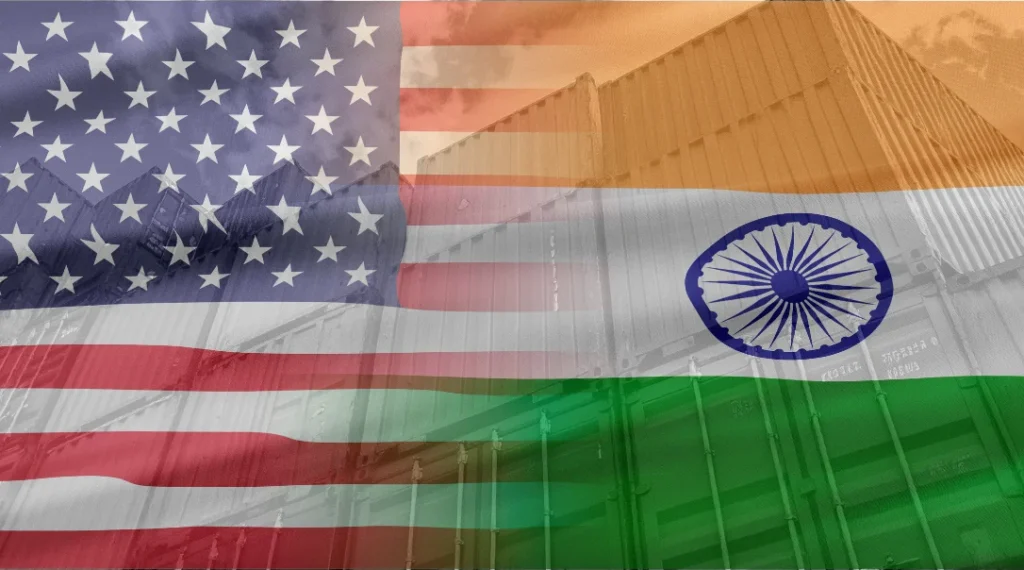
/ The US wants a stake in the India market and is will to compromise to get it – up to a point.
The sudden drop in tariffs on US imports from India has been a sign of hope for Indian manufacturers – and for brands.
At 18%, tariffs on Indian imports are now competitive with other Asian nations.
While this will give brands greater incentive to source from India, the biggest beneficiary is likely to be Indian manufacturers, who in many cases have been absorbing the tariff costs to hold onto customers.
The initial wording of the agreement is more ‘fluid’ than what we’ve seen with other trade deals. With both the EU and US vying for a stake in the India market, there could be more leniency.
However there are still critical areas that could derail this important deal.
To continue reading, please login
Related articles

New tariffs introduce a complex web of country-specific exemptions and HTS classifications that could significantly increase compliance work for sourcing


Section 301 tariffs threaten to add one more layer of complexity to an already complex trade environment.

Proposed Section 301 tariffs targeting 60 countries could reshape sourcing economics across many of the apparel industry’s largest production hubs.

Insights & Analysis