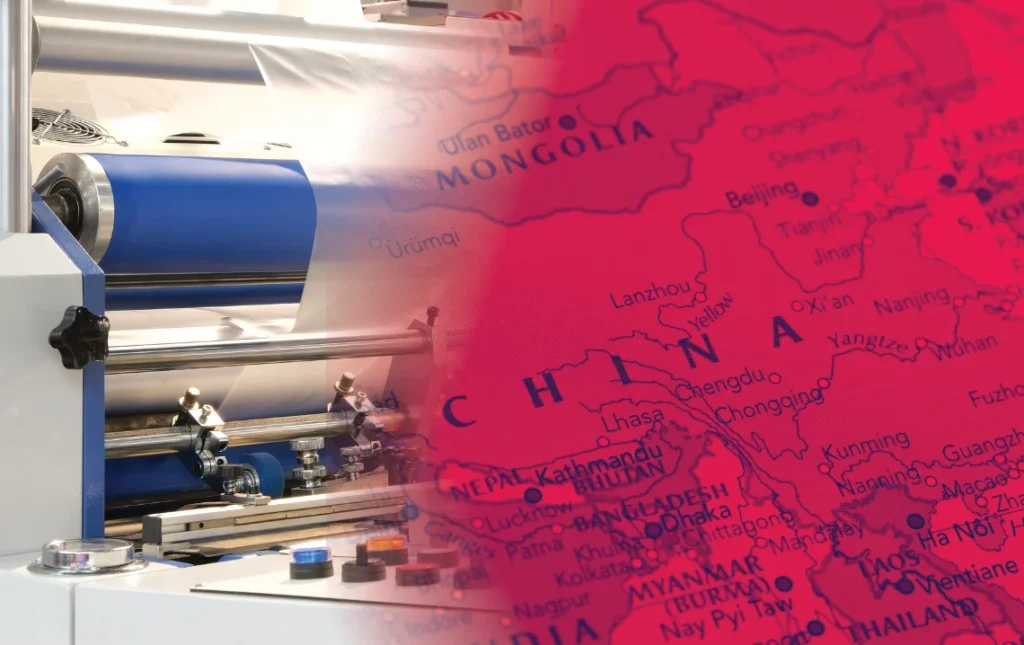
China’s Tech-Powered Manufacturing Edge
AI, automation and digital production are enabling faster development, smaller orders and more agile manufacturing

AI, automation and digital production are enabling faster development, smaller orders and more agile manufacturing

The nation is carving out a niche in premium, small-volume production by combining manufacturing expertise with dependable execution and strong regional infrastructure.
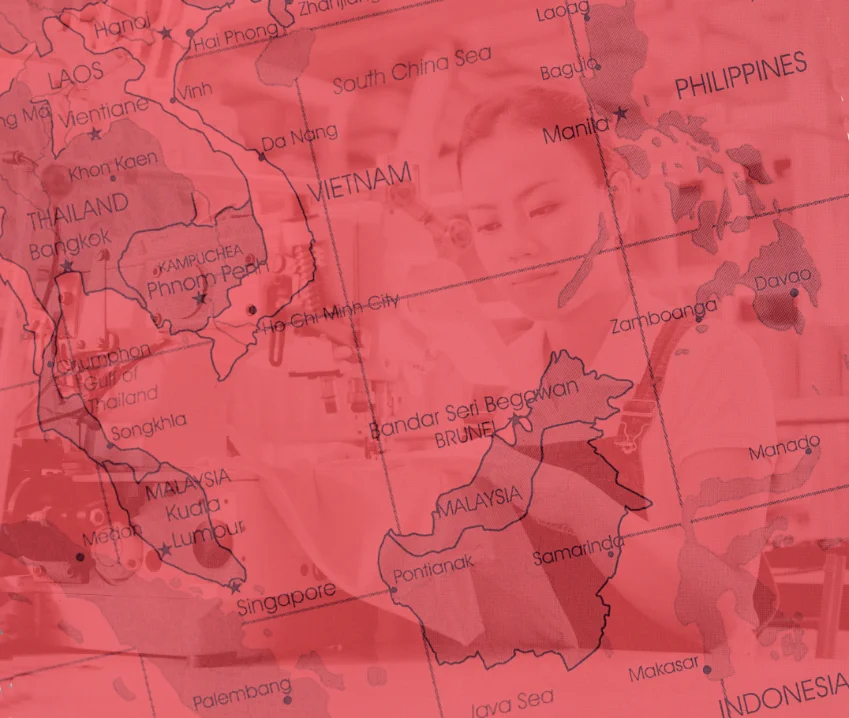
Strong factory order and growing competition from the tech sector are pushing wages higher and tightening labor supply.
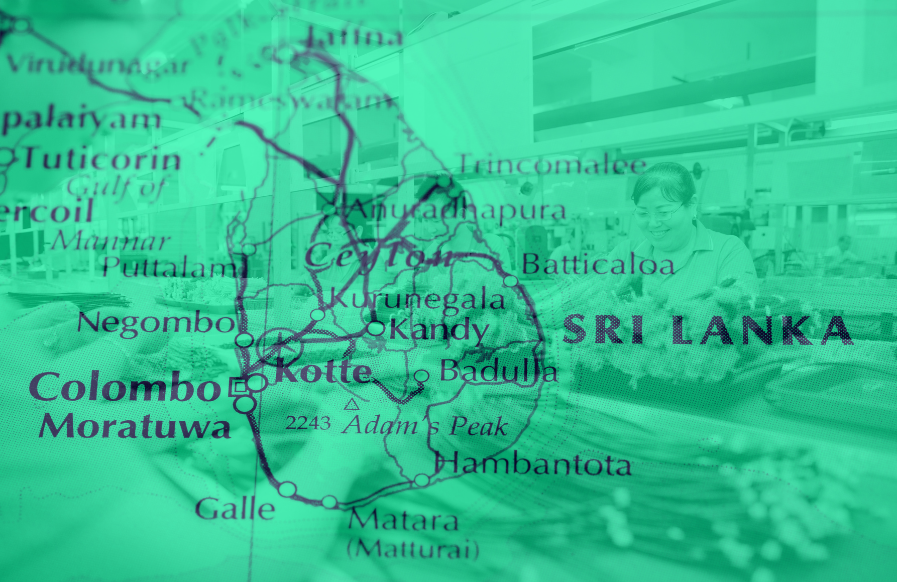
Sri Lanka’s appeal lies in stronger compliance systems, reliable quality, better governance, and the capability to handle more complex, higher-value apparel programs.

Portugal combines EU-standard quality, fast turnaround and small-batch production, giving brands a nearshore option for premium programs and test-and-repeat models.
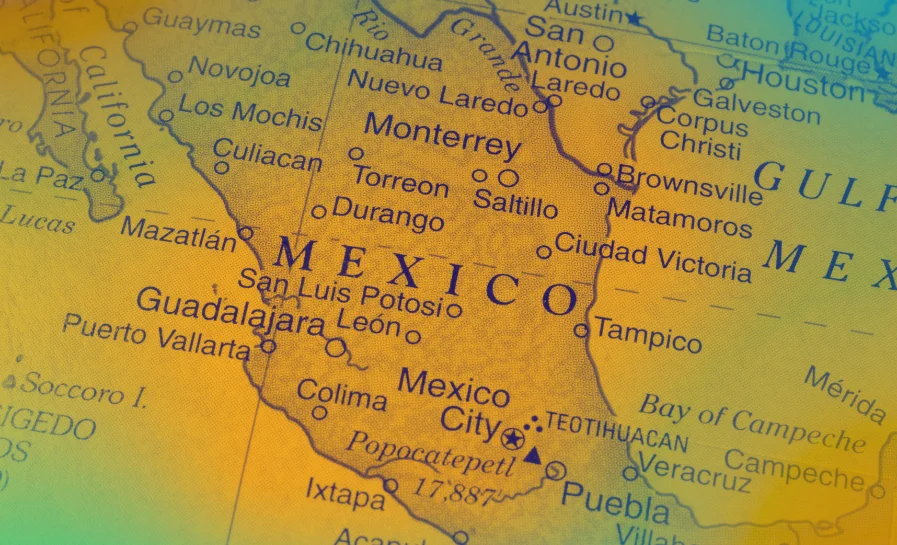
Two-day transit times and duty-free access under USMCA are reshaping sourcing calculations for North American brands.
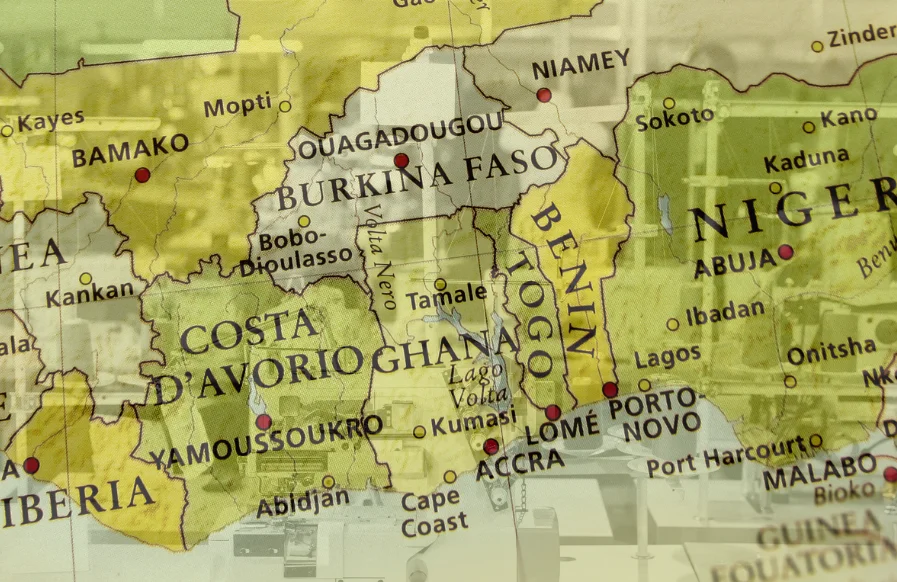
SEZ-driven platforms in Benin and Togo are anchoring early export growth, while Ghana rebuilds capacity around renewed trade preferences.
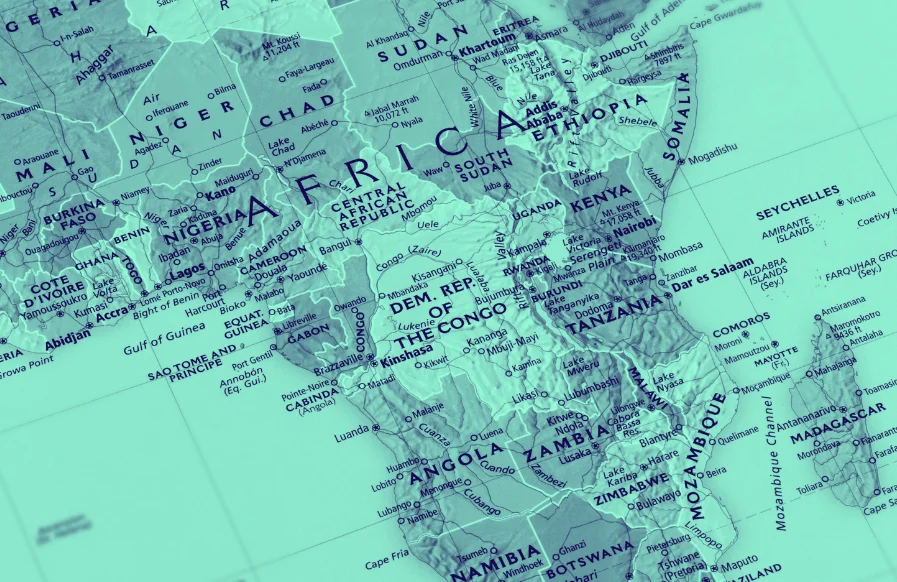
As tariffs and geopolitics reshape sourcing strategies, brands are exploring whether African production can work.
With Bangladesh under pressure and India facing steep tariffs, Pakistan may be the dark-horse sourcing hub gaining quiet momentum.
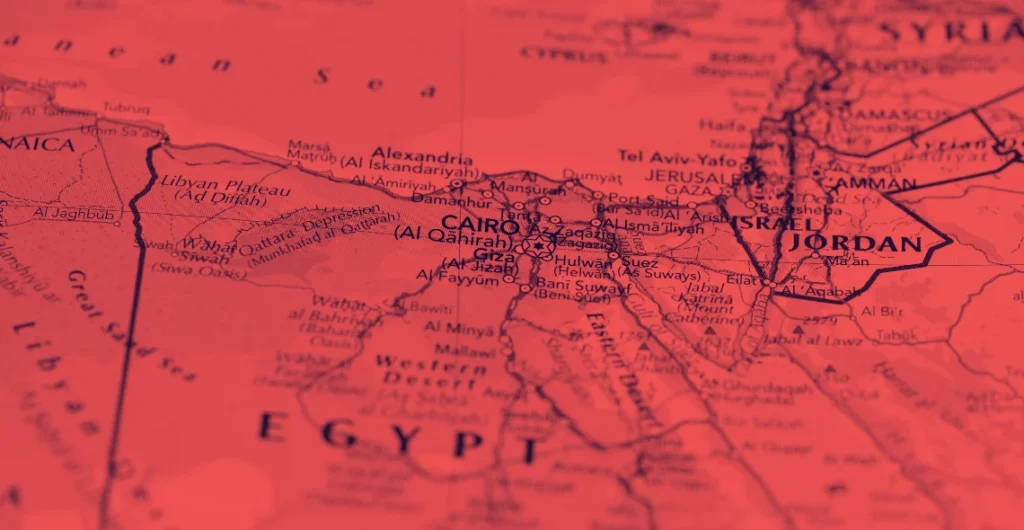
Egypt continues to rise on the sourcing radar, driven by a surge in inward investment from the world’s top textile manufacturers.
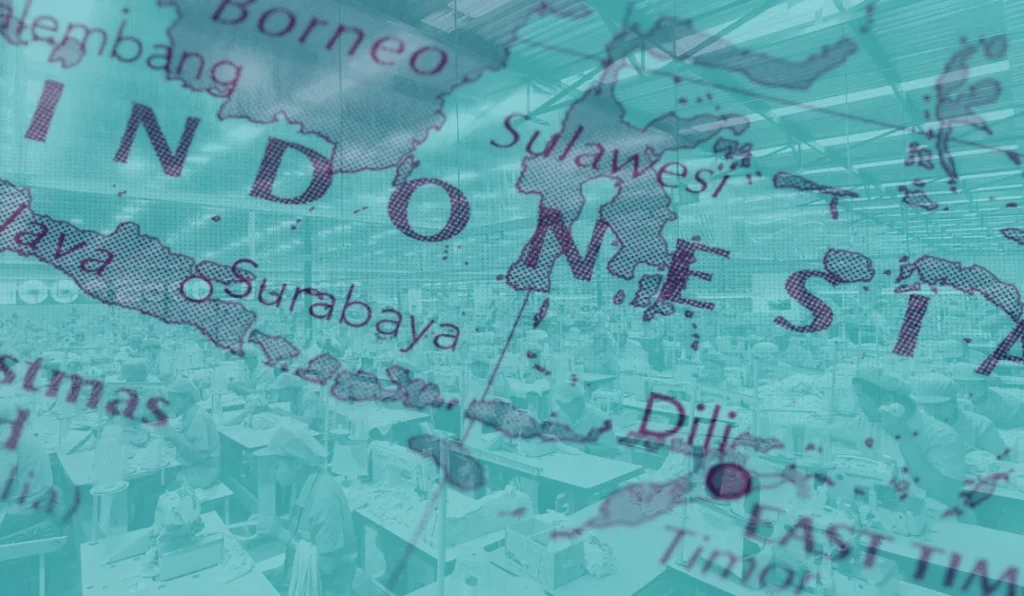
Indonesia is investing heavily in technology, sustainability, and regional expansion to position itself as more than a low-cost alternative.

Balancing quality, cost, and speed in Vietnam’s evolving apparel market
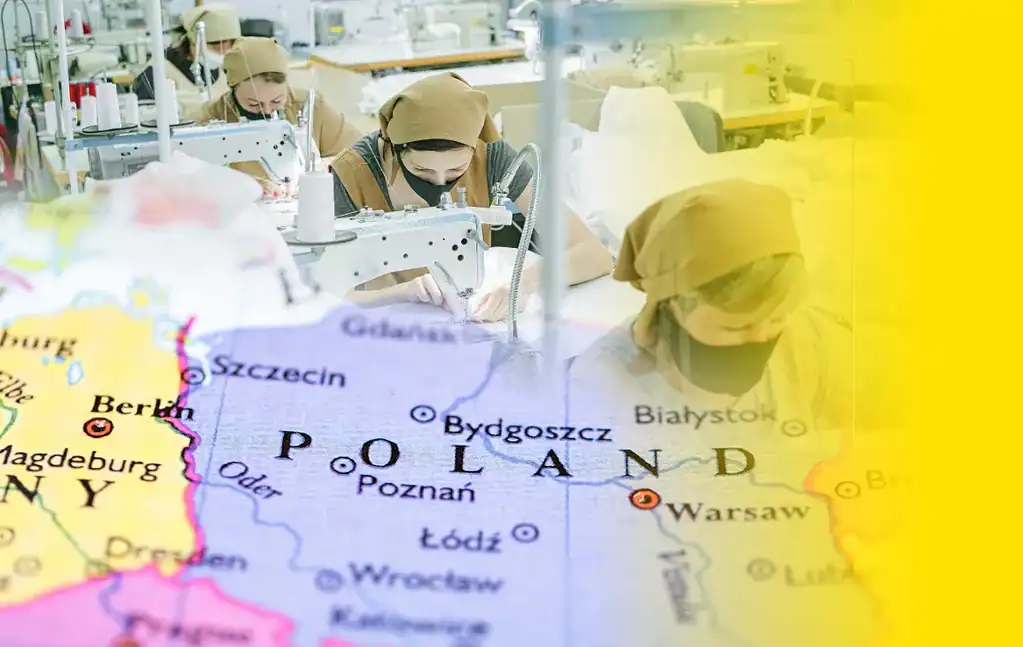
The country isn’t chasing volume – it’s building smarter, cleaner, more agile supply chains. From robotic sewbots to circular fashion hubs, Poland is setting a new benchmark for ethical production.
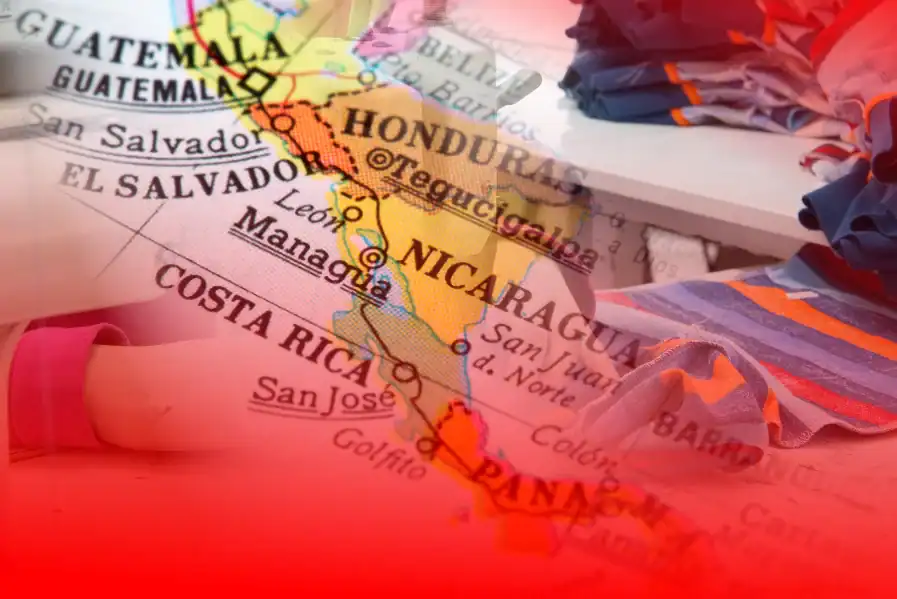
Duty-free access, and nearshoring strategies make the region attractive – but supply chain constraints persist.
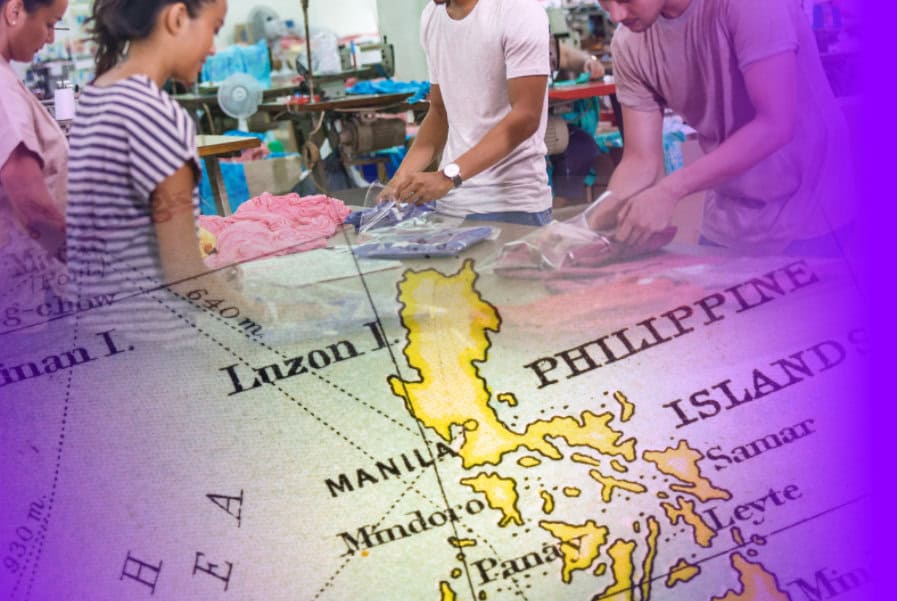
Unlike neighboring countries that compete on cost and scale, the Philippines is carving out a niche as a supplier of low-volume, high-quality products.

A bit of bad press and a shift in orders to ASEAN prompted brands to sideline these two sourcing nations. Now they are taking a second look.

At a time when brands are looking factories that can produce smaller, but better, orders Eastern Europe could be the perfect place.

Although its garment industry is still small, the nation has a domestic supply chain for cotton yarn that is catching brands’ attention
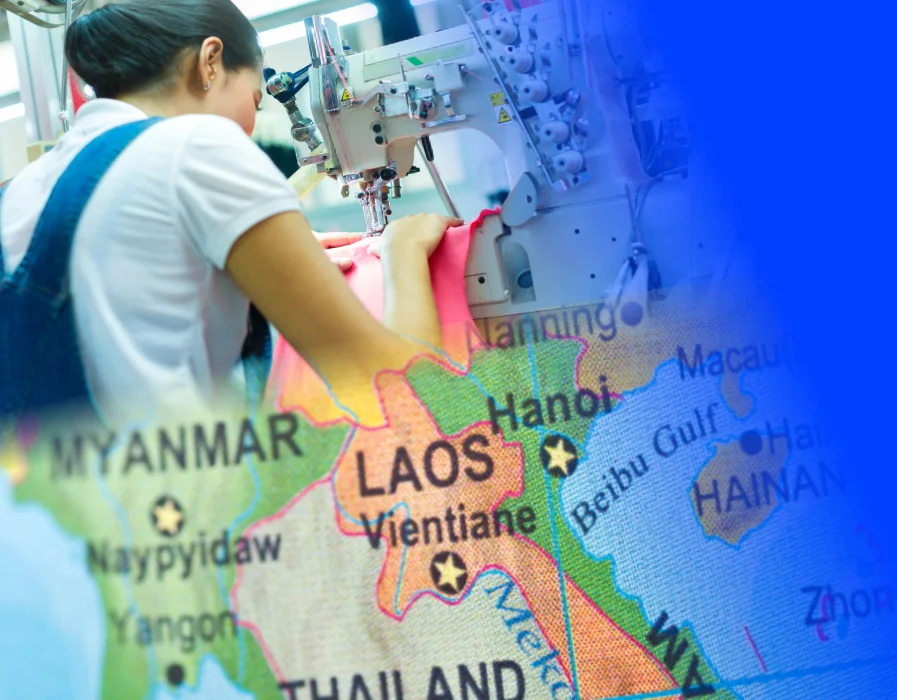
Laos could be one of the surprising winners as the garment production map is redefined
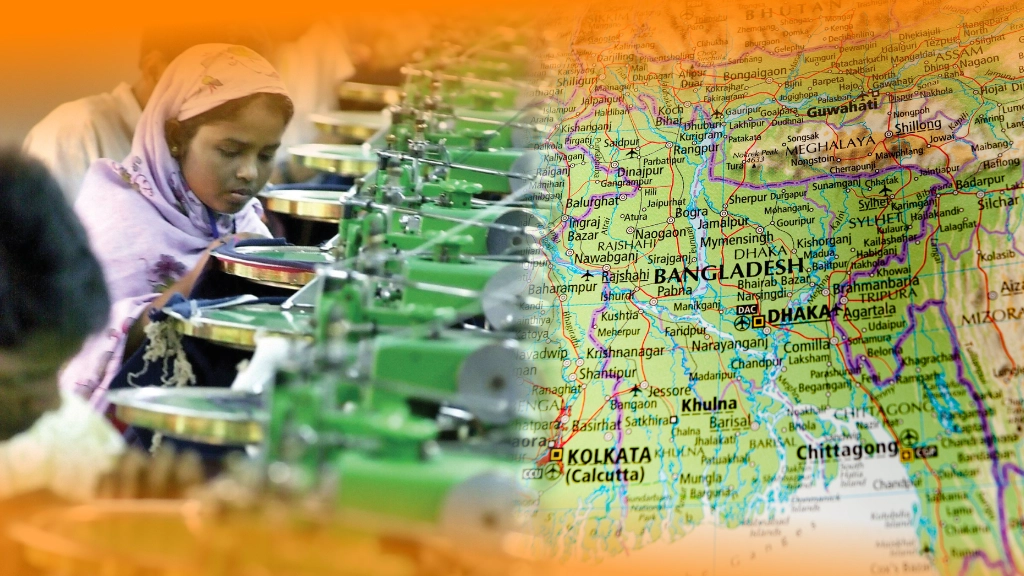
Despite facing many challenges, the country has several strategic advantages that brands can’t ignore

China’s role in the apparel industry has continued to mature. Now it looks to be leading the technology evolution.
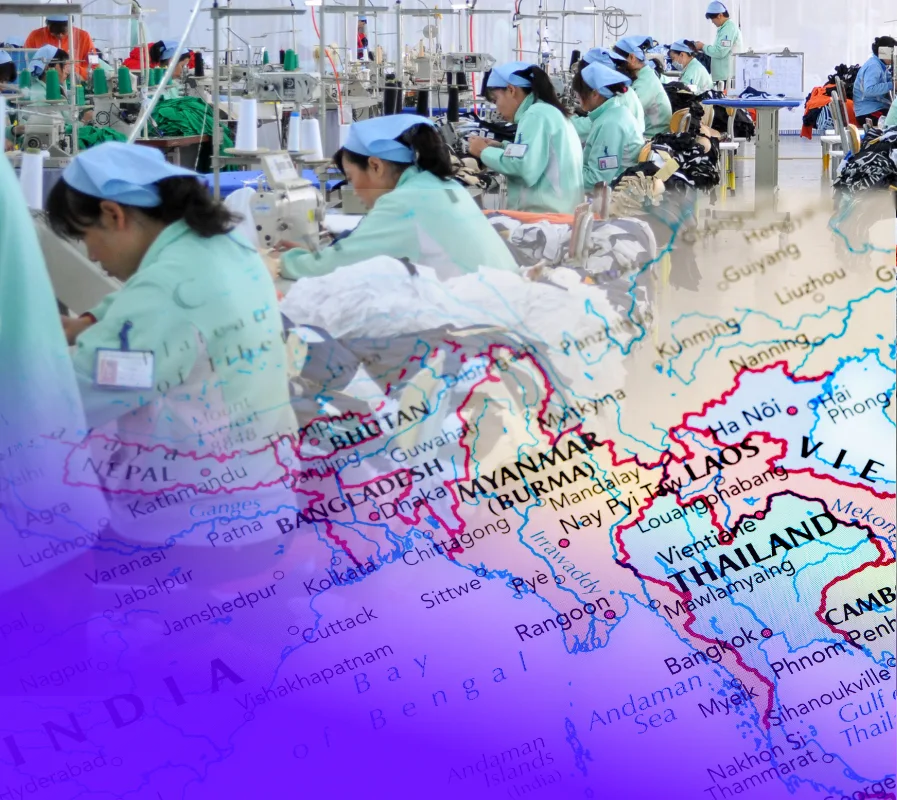
Political risk has driven brands out of Myanmar. However as prices increase in Vietnam and Cambodia, Myanmar is looking more attractive

Until recently, most brands marginalized sourcing in India. Now that’s starting to change.
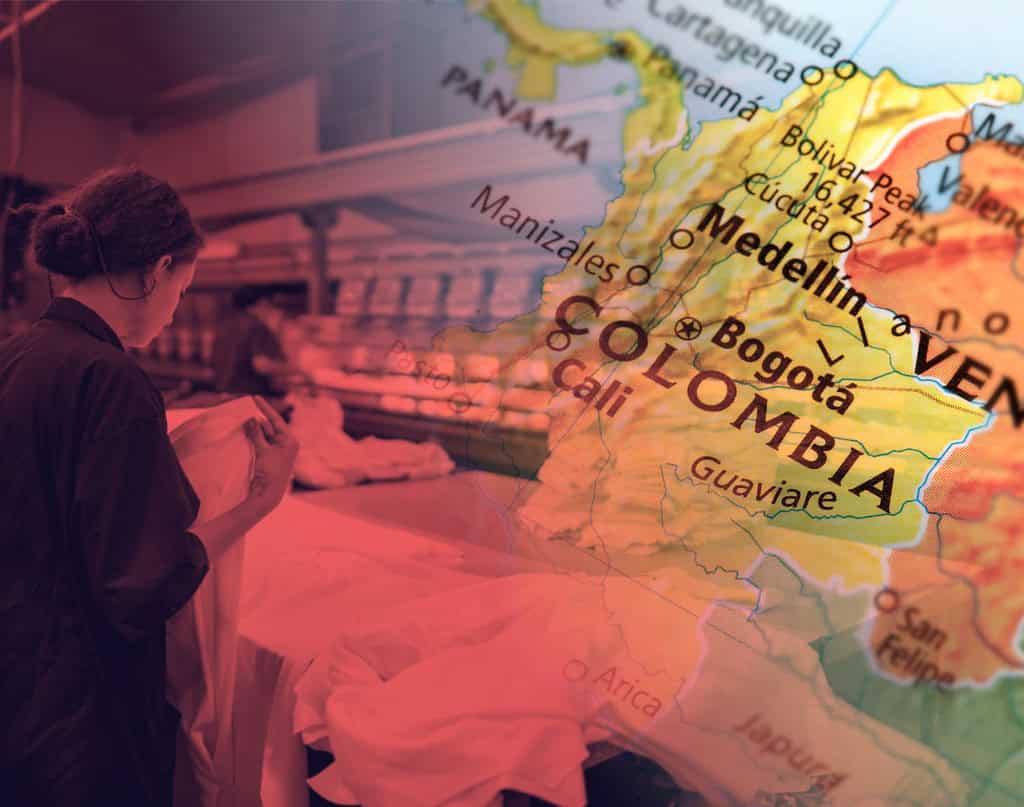
As brands look to source smaller orders with shorter lead times, this South American country might provide interesting opportunities.