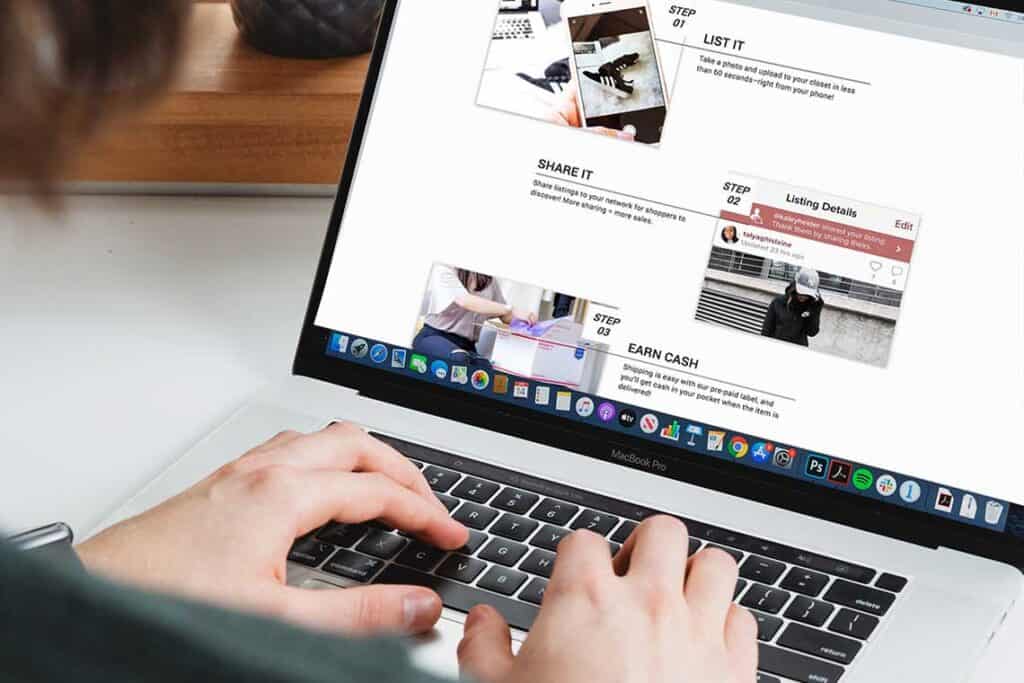
There was a time, about a year ago, when everyone saw resale as the next big thing. So big, in fact, that even the biggest international retailers jumped on the band wagon. Everyone from department stores and chains to your neighbour’s daughter, was looking to capitalize on fast growing consumer demand for either one-of-a-kind fashion or to be part of the recycling movement. Purpose built resale platforms such as ThredUp, Poshmark, StockX and many others mushroomed as demand and supply heated up. <h3><strong>Enough</strong></h3> Decades of fast growing consumption took us to a place where people had accumulated far more products than they could possibly use. It got to the point where owning products actually started to have a negative value. As incomes flattened out after the 2008 financial crisis, consumers in developed markets started to reverse their consumption habits and began slowly shifting from spenders to savers. The joy of acquisition was increasingly being offset by the burden of ownership. Armed with the power of e-commerce, ambitious consumers realised that they could clean out their closets and generate extra income by selling off some of their stuff. This was fueled by consumers who were looking for unique fashion items that they couldn't find at traditional retail outlets. The experiential aspects of 'hunting' through massive of products and the discovering that perfect 'find' was also part of the allure of resale. In 2019, the resale market was touted as being worth $51 billion by 2023 (MarketWatch). Everyone got into resale. However in the coming post-pandemic period many shoppers might be rethinking their priorities. Suddenly words beginning with “re” are being associated with unsanitary, unclean, and potentially dangerous to your health. <h3><strong>Sanitation Nation</strong></h3> Today, hand sanitiser has become a consumer staple. Face masks are now a mainstream, every day essential product. Reminders about social distancing and hand washing are on every sign post. The media has whipped up consumer panic with report on the death toll, business failure, number of store closings and job layoffs. Consumers are scared. Clinic and hospitals are reporting a severe drop in the number patient visits, as people who are fearful of catching coronavirus miss appointments for necessary - even critical - medical care. So in this environment, it is reasonable to expect that consumers will be a lot more reluctant to buy a pre-worn item from an unknown seller. Some of larger resale platforms are suggesting that consumers can protect themselves by simply washing garments before wearing them. However consumers know that most apparel is not meant to be boiled or washed at extremely high temperatures - the temperatures necessary for sterilisation. In fact, the packaging that just a few months ago was eschewed as ‘unsustainable’ is going to see new found appreciation as consumers want tangible assurance that what they are buying is pristine. In addition to government certifications and inspections, this comes down to what people perceive as clean. For most people that still means ‘new’ and ‘in a poly bag’. Consumers will now be buying fewer, better - and safer.