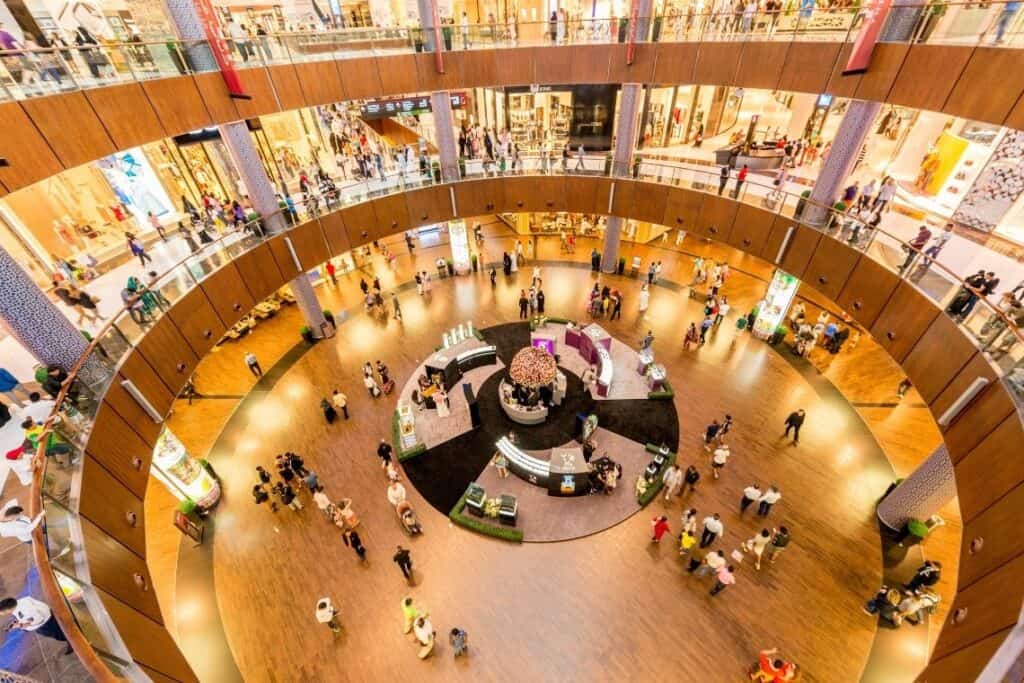
Life as a direct to consumer (DTC) brand can be sweet. With venture capital investors willing to forgo profits for revenue growth, they have the liberty to focus on building the brand and driving sales - without having to worry about profitability. But there comes a time when even the most patient investors start expecting to see the brand become profitable. When online brands need to get serious of not only growing sales but also net income, they head to physical retail. In the U.S. and other markets, that typically means mall space.For many online businesses, advertising costs have soared 60 percent in five years, according to ProfitWell, which measures “customer acquisition costs.” At the same time, retail rents in many malls have plummeted in recent years. Retailers who were ‘over-stored’ looked to reduce their fleets. Several major retailers who were big mall tenants faced financial difficulties and closed most or all of their stores. Brands like Forever 21 and Dress Barn were acquired and the new owners transitioned them to online-only brands. Suddenly there was a lot of vacant mall and high street space - at very attractive rents. Beyond Rental Rates …Grade A retail space is not cheap, but it turns out that it’s cheaper than what customer acquisition costs (CAC) are when brands use a purely online strategy. Hence, leading digital native brands including Warby Parker, ThirdLove, Bonobos, Allbirds, Gymshark and others are growing their offline footprint, alongside their considerable online presence.Looking ahead, physical retail will be as much a part of a brand’s marketing and advertising initiative as it is about selling products..