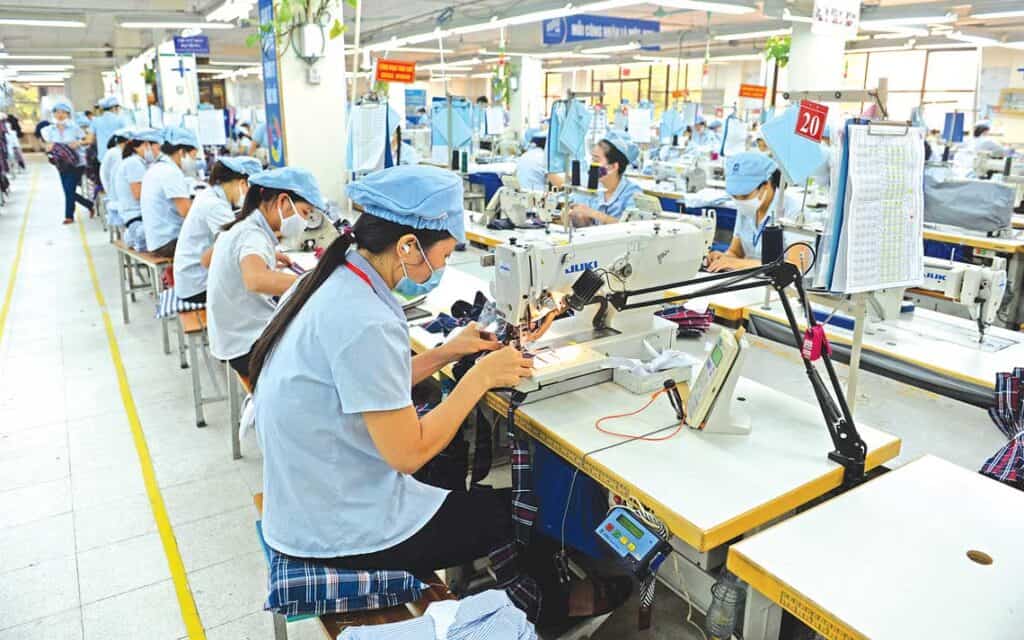
Vietnam is facing some potentially key impacts as part of a global shift in the supply chain. With the newly ratified EVFTA, Vietnam is poised to draw more orders from EU buyers. Orders from the U.S. are likely to remain strong. Although the U.S. and China agreed to Phase One of a trade deal in December that has halted the addition of more tariffs on Chinese imports, that could change at any time. <h3><strong>Opportunities</strong></h3> <p style="padding-left: 40px;"><strong>• Duty-free access to the EU</strong> could make Vietnam a more viable alternative to Bangladesh.</p> <p style="padding-left: 40px;"><strong>• Improving worker skills</strong> will make it possible to source more complex orders there.</p> <p style="padding-left: 40px;"><strong>• Increasing logistics services</strong> from international carriers could shorten lead times.</p> <h3><strong>Obstacles</strong></h3> <p style="padding-left: 40px;"><strong>• Wages</strong> are expected to continue to see strong annual increases.</p> <p style="padding-left: 40px;"><strong>• Country of origin fraud </strong>could be increasingly problematic. Not just for those who are actually transshipping, but for everyone as authorities look to more tightly monitor the flow of goods.</p> <p style="padding-left: 40px;"><strong>• Trade-surplus with the U.S</strong>. could set off the some of the same concerns that the U.S. has with China. While the estimated $600 million trade surplus in nothing compared to China’s trade surplus, it’s still a red flag - and has the attention of the US government.</p> <p style="padding-left: 40px;"><strong>• Lack of domestically made raw materials</strong> will be a huge issue for manufacturers or brands looking to take advantage of the EVFTA. The deal expects that most of the product’s value originate in Vietnam. Garments made from imported fabric will not qualify under the ‘country of origin’ terms. </p> <p style="padding-left: 40px;">Relying on imported raw materials has been an ongoing scourge for the industry. That most of those materials come from China adds risk - from supply chain disruption to origin rules for duty-free approval.</p> <h3><strong>Winners, Losers and Everyone Else</strong></h3> Although industry buzz is about leaving China, we don’t see abandonment here. That amount of capacity will be difficult to replicate anywhere else. Nor do we see a surge in orders to Vietnam. We see a steady increase that is tempered by demand (especially from EU buyers) and investment in domestic mills increases. The bigger gains are likely to be see in India, Malaysia and Indonesia - countries that have not yet really benefitted from the China + One trend. However with domestic materials and strong garment making capabilities, these nations might emerge as the real winners in Phase II.