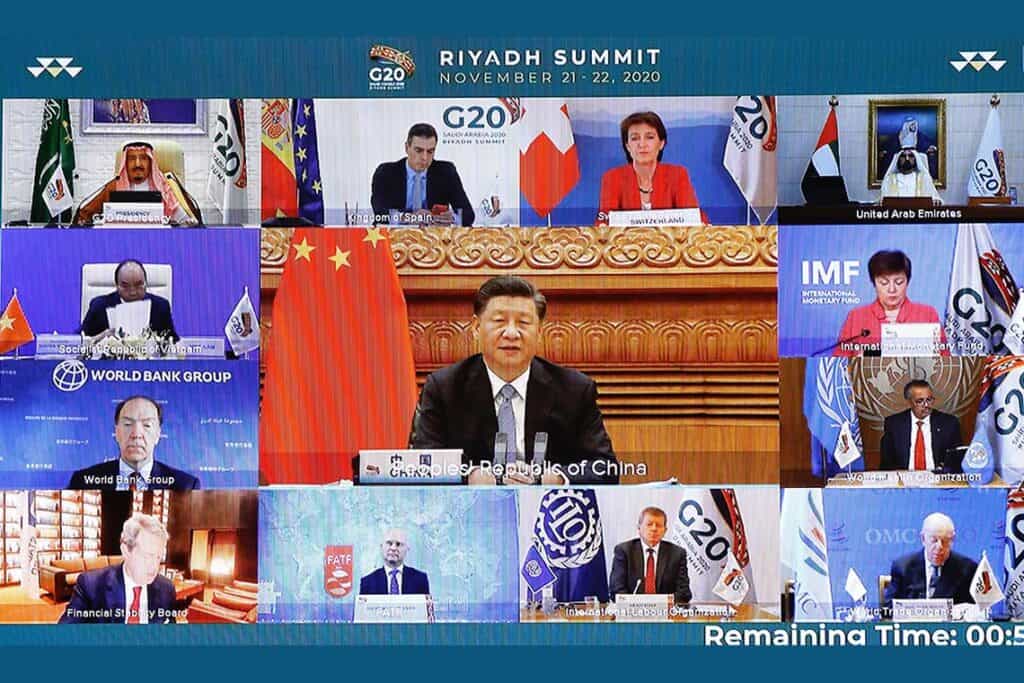
China is now considering joining the Trans-Pacific Partnership (CTPP) trade pact, with President Xi Jinping saying that he will give it "positive consideration" during last week’s Asia-Pacific Economic Cooperation forum.Nations around the world have been hurrying to make bilateral or multilateral deals - many of which look like deals-within-deals.This year, even trade agreements that have been in process for years - with little progress - have been reenergized.In February, the long awaited EVFTA was finally ratified, after having been agreed to back in 2014.The China-led RCEP was signed this month. Japan and India signed a textile trade pact in September, while in October the UK government signed a new trade agreement with Japan, such that 99% of UK exports there will be free of tariffs.The UK is seeking to reproduce the effects of existing EU agreements for when they no longer apply to the UK.Key InsightsEVFTA is Thwarted by ‘Origin’ Rules. Vietnam will benefit more from the EVFTA compared with other such agreements, since Vietnam and the EU are considered to be two supporting and complementary markets. The downside is that the trade agreement includes a “country of origin” clause that stipulates that all apparel exports must be “fabric forward”. With Vietnam relying heavily on imported raw materials, most apparel exports will not qualify for duty-free status.RCEP Without India Offers Little Added Benefits. This mega regional deal, spanning 15 nations, includes ASEAN plus Japan, South Korea and China, as well as Australia and New Zealand. India opted out of the deal, making it essentially a deal that ties China with a larger region in Asia. It sounds like a big deal, but ASEAN already is a trading bloc. And many nations in the region have bilateral deals with other regional countries. CTPP offers few unique benefits for the textile industry. Formerly the TPP (Trans Pacific Partnership), it was signed in 2018. The U.S. notably withdrew from the pact that includes Australia, Brunei, Canada, Chile, Japan, Malaysia, Mexico, New Zealand, Peru, Singapore, and Vietnam. However, without the U.S., the trade agreement doesn’t look that different from other bilateral or regional pacts.Other Intra PactsIn 2011 China and ASEAN signed the ASEAN-China The ASEAN-Australia-New Zealand (AANZFTA) was signed in 2010. Australian signed a trade deal with South Korea in 2014 and Japan in 2015. In 2014 South Korea and Vietnam signed a free trade deal.In 2009, Japan and Vietnam signed a trade agreement. There are other bilateral trade agreements within the region.Japan-India Textile Agreement Could Provide Meaningful Benefits. Signed in September, this deal will help optimize the previously signed Comprehensive Economic Partnership Agreement (CEPA), a deal that included 16 East Asian nations. CEPA has now become part of RCEP, but without India.New UK Bilateral Deals are Important. With a No-Deal Brexit looming, hasty talks between the UK and its trading partners in Asia have been underway. Without a deal, the UK will need to negotiate agreements with all of the countries previously included in regional deals with the EU. So far it has signed a deal with Japan.China Set to Rise and ShineMr. Xi’s comments regarding joining CTPP likely were designed to signal China's plan to play a larger economic role in the region. China’s eagerness to sign multiple trade pacts has also been viewed as a demonstration of the nation’s intent to take a greater leadership role in the region.With the U.S. having pulled back from the region during the Trump administration, and insiders saying that the Biden administration might not be that keen to take up the U.S.’s traditional role in the region, the opportunity is there for the taking.