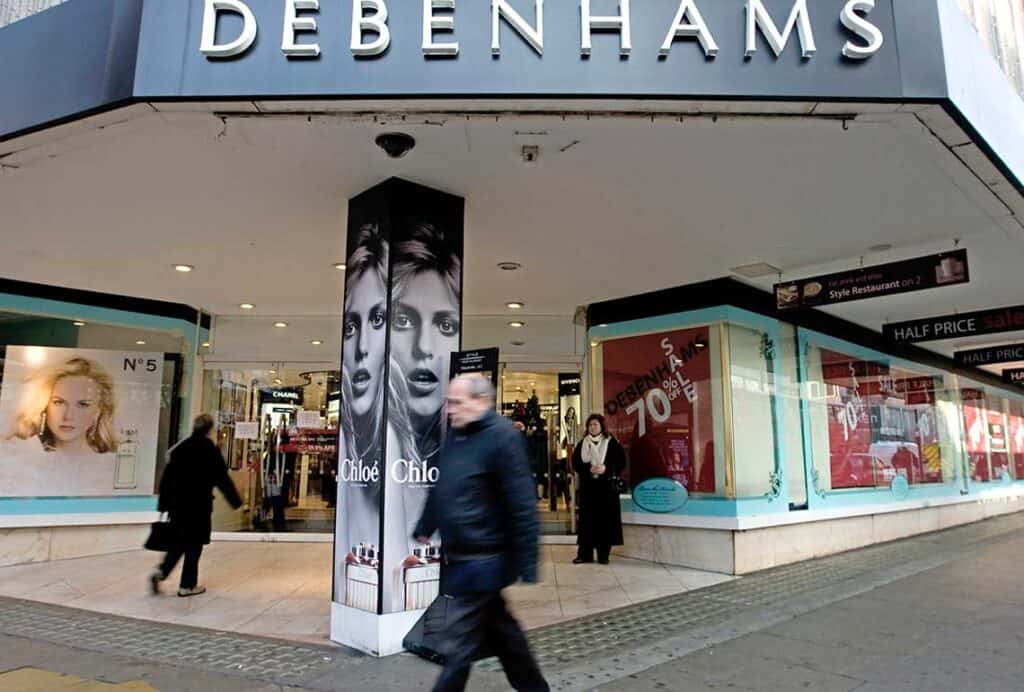
As if 2020 hasn’t already been challenging enough, the UK is now in a month-long lockdown - again. This time it’s during the run up to the holidays. Since March, lockdowns and even social distancing, once retail reopened, was a boon for e-commerce platforms. Now with many European nations imposing lockdowns or curfews during the critical weeks before Christmas, it looks like e-commerce players will once again be having a pay day. Analysts predict that the biggest winner will be Amazon. Not because other retailers don’t have online stores. Certainly since the pandemic first hit this spring, those who didn’t have an online presence scrambled to get set up and those who were already running e-commerce stores invested in making them better. For casual browsing and one-off purchases their online stores will serve brands well. However for Christmas, it’s a different story. As consumers shop for gifts across many product categories, the e-commerce platforms are simply more convenient. This is especially true when that all-important free shipping requires meeting a minimum spending target. That’s a huge incentive to consolidate all shopping on one platform rather than spread it out across multiple sites. However, even Amazon is facing challenges this season. <h3><strong>Delivery Dilemma</strong></h3> Amazon has just announced record sales figures for its third quarter, with profits tripling. Its net sales increased by 37% to $96.1 billion in the third quarter but its shipping costs rose by $1.4 billion and are now $5 billion higher than the same period a year earlier. From December 18, Amazon’s Pan-European program will no longer include the UK as the e-commerce giant prepares for Brexit. From that date, UK traders will have to organise and pay to send their stock to EU Fulfilment Centres. Likewise, EU retailers who want to continue selling in the UK will have to pay to get their items shipped into Amazon’s UK warehouses. Aside from Brexit, keeping up with demand during the Christmas period will be “tight”, Amazon has warned, advising shoppers to buy early in order to ensure that they get their parcels before the holiday, the Financial Times reported. <h3><strong>Buy Online or Wait for Offline Deals?</strong></h3> However, deal seeking shoppers could decide to wait until physical retail reopens in December in the hopes of getting bigger discounts. Increasingly consumers have learned that good things (like bigger discounts) come to those with patience. And this year in particular, there’s plenty of incentive to seek out any and all money-saving opportunities. In the end, the discounts and promotions that have for years plagued retailers, might be their salvation this year. <h3><strong>Last Minute Dash</strong></h3> UK retailers reported that foot traffic was up 19 percent year-on-year on November 3, two days before the lockdowns started, according to the BBC. All non-essential retail was required to close as of November 5. Springboard retail data showed that mall traffic was also up 18.4 percent as consumers “panic shopped” for gifts. Although many retailers stayed open late to accommodate shoppers, many store reported queues that went around the block, according to the BBC. France, Germany and other European countries have also imposed new restrictions as the region tries to cope with a ‘second wave’ of COVID. There’s “no evidence” of the virus being transmitted in stores, or studies suggesting that clothing and houseware retail presents a significant risk of infection, Simon Wolfson, Next’s CEO said in a financial update. The New West End Company, a lobbying organization for more than 600 London retail and leisure businesses, warned that 2 billion pounds of sales could be lost as a result of the latest lockdown, Bloomberg reported. November typically is the start of a ‘golden’ eight week period where retailers can earn up to a third of their annual revenue targets. As consumers and some lawmakers continue to wrangle over the effectiveness or practicality of lockdowns, retailers are losing hope that Q4 will bring the much sought rebound from this year’s sales slump.