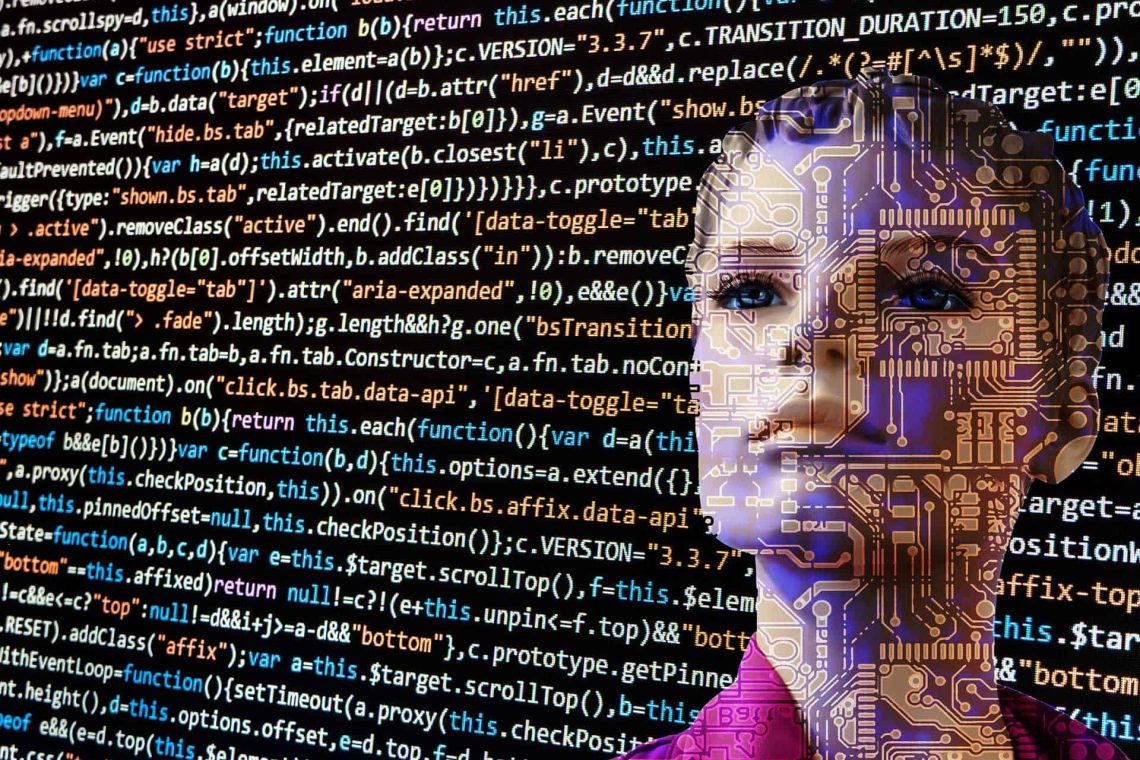
It’s one of today’s hottest topics. AI is being heralded as the solution to everything – from data analysis to elevating customer experiences. The technology is continuing to be developed, but let’s take a look at what it can do now. An increasing number of people in the tech community are starting to see more limitations than applications.“As for AI, this hype cycle is not very different from the previous ones. We make computers do things seemingly only adult, educated humans can do, but then realize these same computers cannot handle the things infants or animals take for granted,” said Filip Piekniewski, a researcher working on AI in the U.S., in one of his blog posts.AI can think logically without emotions, making rational decisions… but human beings don’t always make rational decisions. Especially when it comes to fashion, decisions are often driven by emotions. (“I know I don’t need another coat, but this one is to die for!” Then we rationalize the unnecessary purchase by saying “And it’s on sale!).• Can amplify human skills … but will also amplify mistakes too.• Conversion of ‘information’ into ‘knowledge’ is difficult.• Can handle large volumes of data quickly. Weakness is the inability to identify nuances and understand what opportunities/obstacles they might imply.• AI relies on algorithms designed by man. It lacks intuition and creativity. • (So basically, it’s great at handling all of the tedious, time consuming back-end work. For development and creativity, humans are better suited to the task). Human Intelligence• Intuition, common sense and creativity.• The ability to demonstrate their intelligence by communicating effectively.• Plausible reasoning and critical thinking. behavior and cognitive processes. Artificial Intelligence• Less fallible than humans.• Can have far great stored ‘knowledge’ than humans.• No “common sense” biases.• Information processing of a serial nature happens very slowly in the brain as compared to computers.• Can retain large amounts of data in memory. The Risk Factor: TechlashIn an unlikely turn of events, the very people who developed AI and many other technologies are now looking to curtail its use.• Referred to as “Techlash” (technology backlash) students at leading technology universities are no longer sure they’d go to work for Facebook or Google (and definitely not Palantir).• Students are also reacting to the seemingly unending scandals in which the biggest technology companies in the world have mishandled user data and facilitated the spread of misinformation. • Tech-friendly San Francisco became the first city to ban facial recognition technology.A Next Gen Dilemma: If a robot commits a crime, who will be responsible?