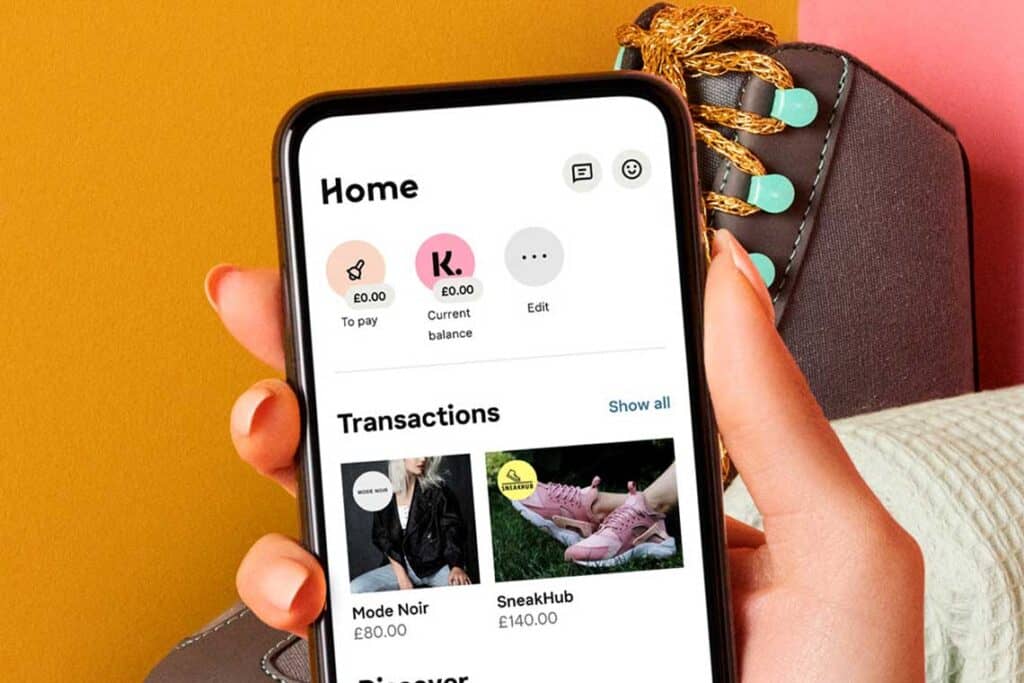
Heightened market competition, cash strapped consumers – and now the pandemic – have taken a toll on sales of non-essential products. Just as credit cards helped power up sales volumes during the ‘80’s through to the 2000’s, now growing availabillity of ‘buy now pay later’ (BNPL) financing is making it easier for consumers to say “yes” to the dress. Most consumers abandon using credit cards as a way to finance purchases when interest rates on outstanding balances surged to around 36 percent per annum on many popular cards. That left a window for new financing opportunties to enter. Since 2018, a growing number of alternative credit firms have sprung up, offering small loans, mostly to online shoppers, and make their money by charging merchants a 4-6 percent commission. Typically, BNPL offers short-term credit that allows shoppers to split payments into 4-6 installments – with no interest charges. BNPL caters to younger consumers who often have no credit history. According to research Buy Now, Pay Later Tracker, 44 percent of BNPL users said they would not go through with purchases if these options were unavailable.” <figure> <img src="https://insidefashionlive.net/wp-content/uploads/elementor/thumbs/Klarna-1140-2-ot2mvyohlyjse21pmeal7dbpdgd6y0cchumoh9lp8g.jpg" title="Klarna-1140-2" alt="Klarna-1140-2"><figcaption>Consumers can choose a payment plan that works for them - and it's interest-free. (Photo courtesy of Klarna)</figcaption></figure> Unlike credit cards that offer revolving credit and allow consumers to choose how much they want to pay each month, ranging from the total outstanding balance to a small minimum payment, BNPL are repaid in fixed installments. And, unlike credit cards, BNPL programs don’t charge interest, something resonates with Millennial shoppers who are much less willing to take on credit card debt – and the usuary level interest rates that come with it. It’s biggest growth has come from financing e-commerce purchases, although a growing number of retailers are making this available in their physical stores, as well as on their websites. One of the first to the market was Melbourne-based <a href="http://www.afterpay.com" target="_blank" rel="noopener noreferrer">Afterpay</a>, whose market value has risen to $12.55bn from over $100m four years ago. Afterpay, which operates in the United States, United Kingdom, Australia and New Zealand, recently reported that it served 4.4 million U.S. customers in the company’s fiscal third-quarter ended March 31. That’s up 283 percent from year-ago levels. The company also saw U.S. sales hit $1 billion for the quarter, a 263 percent gain year over year, according to a report in Pymnts. Afterpay said the “number of active merchant partners are up 271 percent with 9,100 U.S. merchants (48,400 globally).” <a href="http://www.klarna.com" target="_blank" rel="noopener noreferrer">Klarna</a>, Europe's biggest fintech start-up, is the largest player in the UK market, with retailers like ASOS, Topshop and Adidas using the service. It has over 7.9 million subscribers in the U.S. The Swedish firm was founded in 2005, but only in the past two years has it seen a surge in popularity. Credit options can vary from retailer to retailer. According to Klarna, paying in full within 30 days or paying in three installments is always interest-free and involves a ‘soft’ credit check. For higher value purchases with longer payment terms, retailers might charge interest and doing more extensive credit checking. <h3><strong>Weighing the Risks</strong></h3> <ul> <li>Afterpays (Australia) bad loans reached 1 percent of its loan book as of March 2020. The company now requires shoppers to pay 25% of the purchase price up front and finances the remaining 75%.</li> <li>Australia-based Zip, with bad debts of just over 2 percent of receivables, said it assesses shoppers' public information and credit scores.</li> <li>Zip reported that about one in 100 customers is late with payments each month. The firm has tightened up its eligibility rules now. (Reuters)</li> <li>Klarna (Sweden) saw credit losses more than double in the first three months of the year to about 0.7 percent of underlying sales as it expanded in Europe and the US, where regulation of the sector is almost non-existent (Aljazeera).</li> </ul> <h3><strong>Forward Outlook</strong></h3> While BNPL got its start helping Millennials to pay for those must-have sunglasses or to-die-for jeans, it’s easy to see how it will become an option for financing bigger ticket purchases. This might be one luxury level item or a basket of back-to-school merchandise. It also opens up opportunities to tap into new markets. People with poor or no credit history is a barrier to obtaining traditional credit — especially for younger people and the unbanked — BNPL doesn’t rely solely on traditional metrics to access creditworthiness, making this form of payment highly attractive to younger shoppers, according to Pymnts. “A study of consumers ages 22 to 30 showed that 20.3 percent of younger consumers had poor credit from past payment issues, while 18.8 percent lacked the credit history to be approved for credit cards in the first place,” a study between Afterpay and Buy Now, Pay Later Tracker. “When we first launched Afterpay on our U.S. partners’ sites, we immediately became 10 percent, 20 percent and sometimes as high as 50 percent of … retailers’ transaction volumes. And once our platform is offered, consumers come back to use it again and again,” AfterPay CEO Nick Molnar told Pymnts. For the retailer, BNPL is both a blessing and a curse. On one hand, it helps to drive sales, especially at a time when consumers are feeling more cash strapped. On the other hand, the cost for providing this financing falls on the retailer.