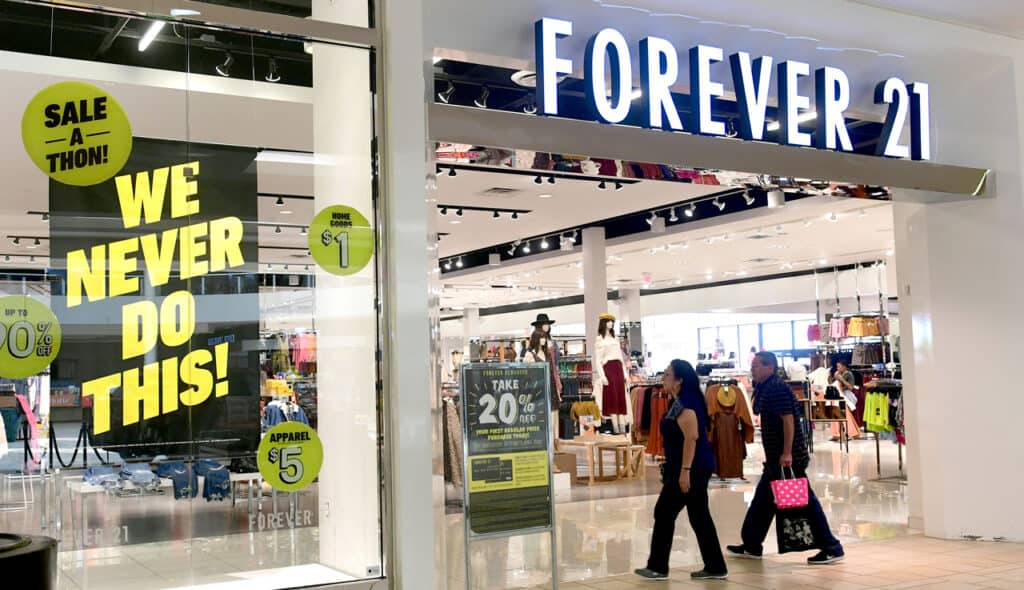
Roughly 22 major U.S. retailers filed for bankruptcy from 2016-2019. Only two have completely gone out of business. Twenty were either sold or emerged from bankruptcy on their own. <strong>• Average number of months in bankruptcy:</strong> 3-4 months. <strong>• What drove most of them to the edge:</strong> debt load, expensive retail leases, failure to innovate. <p style="padding-left: 40px;"><strong>The asset that helped them survive:</strong> strong intellectual property; a well known and liked brand name. Never underestimate the value of an established brand name.</p> An announcement that a retailer is filing for bankruptcy protection sounds like a death knell, but recent history has proven that most companies turnaround quite quickly. Most end up being acquired by companies that use bankruptcy protection to slash debt and leases and can then inject some capital to help the retail get back on its feet. Others manage to reorganize their business and move forward. <h3><strong>They’re Out!</strong></h3> In September 2019 teen fashion retailer Forvever 21 filed for bankruptcy protection. Most people saw it coming. The company had season after season of declining sales and seemed to have losts its edge in the highly competitive fast fashion sector. Yet five months later, the company made a deal to be acquired by Authentic Brands Group and Simon Properties. They are not alone. Some of the biggest retail collapses literally came back to market while they were still being cited by the media as examples of retail that lost its way. Payless Shoesource single-handedly acounted for nearly 22.5 percent of all US retail closures in 2019. The discount footwear chain filed for banktruptcy for the second time in February 2019 and shuttered all of its nearly 2100 locations in a single year. Total retail closings that year were around 9,300. However, in January 2020 Payless was talking about returning to the market – with a significantly changed up business model. Still, they’re coming back. (see side bar for more retail rebounders) <h3><strong>The Next Chapter After Chapter 11</strong></h3> For large companies, and especially public companies, the market rewards growth and punishes any signs of decline. Announce that you’re going to open more stores and your stock price rises or at least stays stable. Even if a proper business analysis indicates that more stores will add overhead without adding significant sales growth, new stores openings are often perceived as a sign of strength. In contrast, the market and many industry watchers feel that closing stores is for losers. The fact that closing underperforming stores is simply part of responsible retail portfolio management and that demographics shift, few executives at large companies want to announce store closures. Once the company files for bankruptcy, management is able to do what needs to be done. Underperforming stores are closed. Brands can be merged or discontinued. Layoffs that need to be made can be made. Debt burdens can sometimes be offloaded. Had management made these necessary and justifiable moves before the company went bankrupt, they would have been vilified by media (for certain) and most likely by the market as well. <h3><strong>Who’s the Loser?</strong></h3> The suppliers, of course. With fewer and fewer big volume players, and the same or greater apparel manufacturing capacity, factories are not in the position to demand collateral for orders. The best most have is export credit insurance. Hence, they get pennies on the dollar as the failed company’s assets are used to payoff secured debt (banks and other prime creditors) first. <h3><strong>Begin Again</strong></h3> So while many companies are likely to file for bankruptcy protection this year, for many it will be an opportunity to rebuild and move forward, rather than the end of the journey.