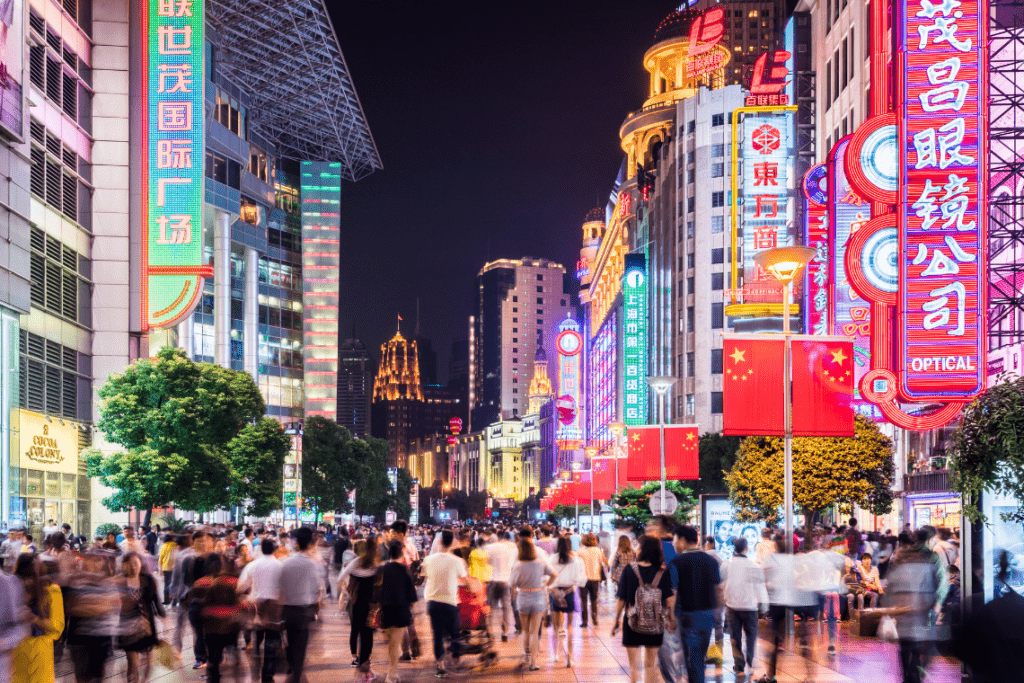
Repatriating high-end spending from major international fashion cities has been a goal for China for years. Retail, as a sector, can be a key contributor to the economy, creating a huge number of entry level to mid tier jobs. This is critical for nations that aim to provide more ‘white collar’ employment opportunities. Then there’s retail property and retail sales, also playing important economic roles.For China, the pandemic has proven to be a catalyst for bringing mid to high end retail home.Travel restrictions curtailed consumers’ traditional overseas shopping trips. However, offering duty-free shopping at home offered an alternative - one that didn’t require the time and cost of travel.Hainan Island has had duty-free status for about a decade, but in 2020 with limits on duty-free purchases raised, sales skyrocketed to almost $9.5 billion in sales, up by about 90 percent, with beauty accounting for more than half of that spending, according to a report from Bain & Co.Bringing In More BrandsDomestic duty-free was also expanded in key cities including Beijing and Shanghai.What’s undeniable is the long term growth that China offers for mid tier and high-end brands.“The duty-free market in Hainan is still lagging behind on product ranges and price competitiveness, especially for mid-to-high-end products. The official limits on the value of purchases also prevent shoppers from buying big-ticket items in Hainan,” according to the EIU report.While e-commerce plays a key role in sales of branded products, offline stores remain essential for brand building and conversions with 30 percent growth across all categories, said Bain. Onlines sales are growing quickly (56 percent year-on-year), especially through cross border platforms.Key Growth AreasDuty-free shops in city centers, including Guangzhou, Xian, Chengdu, Tianjin and Wuhan, are expected to be the next growth engine of China’s domestic duty-free market, and duty-free sales in city centers will achieve a triple-digit compound annual growth rate during China’s 14th five-year plan from 2021 to 2025, according to EIU.As part of its 14th five year plan and 2035 vision, China will spend five to 10 years developing a number of international consumer centers, with Beijing, Shanghai, Guangzhou, Tianjin and Chongqing playing a leading role.China's duty-free market was estimated to be worth $10.4 billion in 2021, according to a report by The Economist Intelligence Unit (EIU). Hainan will account for half of the domestic duty-free market by 2025.In 2019, Chinese consumers accounted for 40 percent of total global duty-free sales, but only 8 percent of those sales were made domestically.Domestic duty-free accounts for only 8 percent of total global duty-free sales. After tripling the limit on domestic duty-free sales, monthly revenues in Hainan rose 200 percent.Insight: Brands will need physical stores in China to win market share.But The EIU report said: “The Chinese duty-free market will face intense competition from other economies once travellers no longer need to quarantine upon their return.As part of its 14th five year plan and 2035 vision, China will spend five to 10 years developing a number of international consumer centres, with Beijing, Shanghai, Guangzhou, Tianjin and Chongqing playing a leading role.