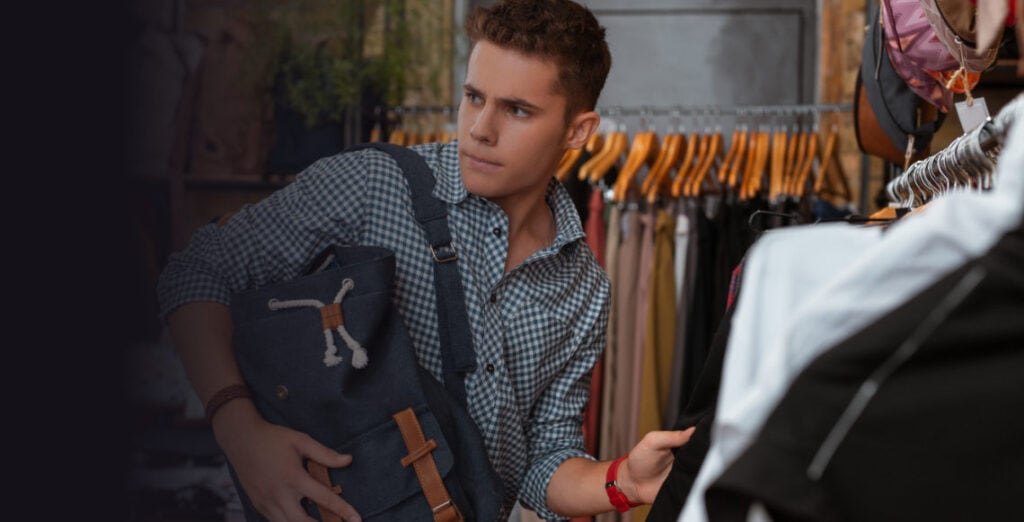
Retailers in many major Western markets are seeing a surge in shoplifting and few know what to do to stop it. In the UK supermarket Coop said it recorded its highest ever levels of theft and threats to staff in June, with almost 1,000 incidents each day. With insufficient police assistance to counter these incidents, they are considering closing some of their stores.In the US the situation has deteriorated to a point where retailers are defenseless. Laws have gone so far to protect consumers that retailers are left with no way to protect themselves.In Australia, stores are making increasing investments in surveillance technology to curb shrink and protect colleagues."Everything points to a continuing increase in retail crime," Cory Lowe, senior research scientist at the Loss Prevention Research Council told Investors Business Daily."Everything points to a continuing increase in retail crime," Cory Lowe, senior research scientist at the Loss Prevention Research Council told Investors Business Daily.Armed & DangerousThe problem is not confined to supermarkets and convenience stores. Big box retailers like Target, Walmart and Kohl’s have been hard hit - but so have department stores including Nordstrom and Macy’s, and also sporting goods stores such as Dick’s.While shrink is an issue, a growing problem is the violence associated with shoplifting that has become unmanageable for many retailers.In early December two employees at a Macy's in Philadelphia, USA were stabbed - killing one and injuring the other - while attempting to stop an alleged shoplifter, per Newsweek. In November, for the second time within a week, a worker in Texas was hurt while trying to stop a suspected shoplifter. Two months ago a Home Depot employee was severely injured by shoplifters.With insufficient law enforcement, and weak laws, retailers are facing a ‘crime crisis’ that is taking a bite out of retail margins and forcing them to turn their stores into high security facilities.Good Tech, Bad TechSelf-checkout stations are proving to not only be a nuisance for customers, but make it easier for shoplifters to avoid scanning some of their items.A 2022 study by ECR Loss of 93 retailers found that stores estimated that as much as 23 percent of their store losses were due to a combination of theft and customer error at self-checkouts.Can’t Stop, Won’t StopSome retailers are requesting that shoppers provide a receipt upon exiting the store - and if required have their parcels searched.However, in the US and Canada retailers can’t prevent a customer from leaving the store or search their belongings unless they actually catch them committing an offense.Stores like Costco get around this by including mandatory receipt checks as part of the terms and conditions of being a Costco member. When consumers join Costco, they agree to this practice.Grab n’ GoThe growth in shrink is also being helped along by increasing legal leniency. In the state of California, a new law states that theft under $950 is only considered a felony “if the theft is part of an organized ring with the intent to sell the stolen goods.” So shoplifters have little to fear if they get caught.The Human FactorSometimes the best tech is no tech. After security tags on merchandise, surveillance cameras and putting locks on store shelves failed to solve the problem some retailers are trying to put more people on the selling floor.Shops with sales assistants milling around and asking people if they need help are less attractive targets for crime. Over the years most retailers have reduced staffing to a bare minimum - and then even replaced cashiers with self-checkout stations. With no one around, shoplifting is a lot easier. Going forward, retailers will be tasked with protecting their staff and inventory, while also creating a friendly and enjoyable in store experience for customers. That’s a big challenge, however new technology along with more employees on the selling floor who can interact with shoppers could help reduce some of the shrink.