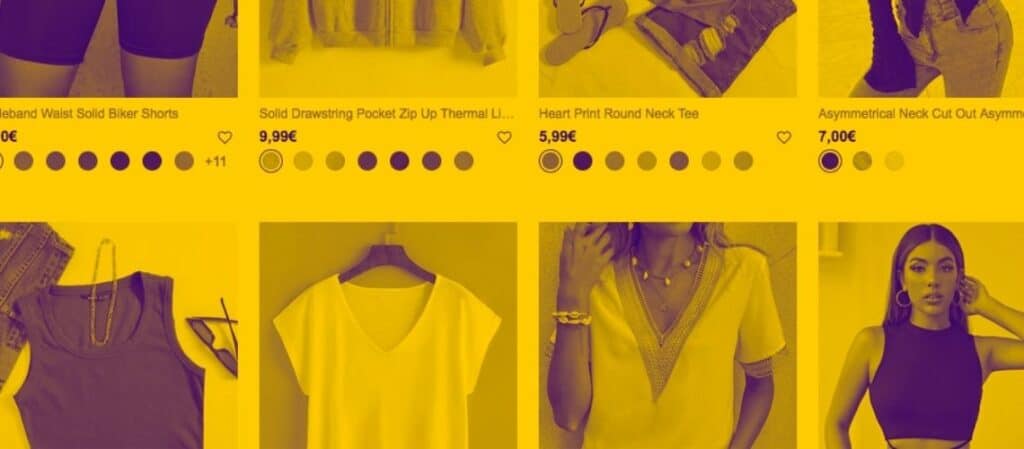
Touted as the world’s largest online fast fashion retailer, China-based Shein has dominated media headlines as having achieved a staggering $100 billion valuation. In its April funding round, Shein raised between $1 billion and $2 billion, according to the Wall Street Journal. Private-equity firm General Atlantic participated in the funding round, which included prior Shein investors Tiger Global Management and Sequoia Capital China. Shein may post $20 billion in revenue in 2022, according to Morgan Stanley, enough to overtake Fast Retailing Co. (Japan) to make it the world’s fourth-biggest apparel retailer. Valuations of at least five times sales are not unusual for fast fashion brands in their prime. Boohoo, for example, was valued at as much as 10 times its sales at one point. For the past two years the company, whose official name is Zoetop Business Co Ltd, grabbed media attention as downloads of its app exceeded downloads of Amazon’s app and its Instagram and TikTok accounts surpassed 23 million followers. There’s no doubt that Shein has captured a sizable - perhaps dominant - share of the ultra cheap, ultra fast fashion market. Despite its fast growth and massive footprint, no brand is bulletproof - even Wall Street favorites like Netflix (reported a shocking loss of 200,000 subscribers in Q1 after only seeing sustained growth since 2011) and Peloton (lost $815 million in July-December 2021, more than it has lost in the past five years combined) . Shein is ideal for tween and teens who are looking for cute clothing that they can purchase with their allowance. It also caters to that girl who wants a never ending supply of trendy fashion that they can post on Instagram. The brand, which ships to over 150 countries, also serves customers in developing nations where their prices are affordable - not cheap - relative local incomes. <h3><b>Large and In Charge … but for how long?</b></h3> Things that rise quickly tend to fall just as fast. Shein’s mastery of a mix of SEO, social media, and its mobile app made it a hit with GenZ consumers, but what will happen when those young shoppers grow up? When they start to earn more money or when they want clothing that is fashionable, but also fits well? Will they still be shopping at Shein? The company is hoping to head this off with its premium Motf brand. Further, will the next generation become new Shein customers - or will they have their own brands? It’s not easy for any brand to transcend a generation - especially very trendy brands. One of the challenges that cutting edge fashion brands face is very short shelf lives. Shein’s core customer base is fickle and has plenty to choose from. <h3><b>Influencers Builts Shein, but They Can Also Take It Down</b></h3> “If you’ve read SheIn Reviews, I totally understand why you might be hesitant to shop at this online retailer. So if you’re looking for some sweet deals and even sweeter pieces, keep reading to discover these low-cost, high-quality websites like SheIn,” said influencer Louise, whose blog La Passion Voutee featured a post entitle “35+ Alternatives to Shein”. Like many other influencers and bloggers, she refers to the growing complaints that consumers have about Shein’s quality. She points her followers to other Chinese fast fashion brands such as DressLily, LovelyWholesale and ChicMe, but her list includes Amazon, Walmart and Target (“can’t ever go wrong with Target” she opines), as well as Zulily and other Western fast fashion brands. “BerryLook might be a little more expensive, but it’s worth it,” she advises readers. So even at the rock bottom of the market, it’s not only about price. Blogger Amanda Tarlton writing on Reviewed said: “I love good deals as much as the next person. But that being said, I don’t love Shein or inexpensive things that fall apart after the first use. And with Shein, you get what you pay for: low-cost, trendy clothes that can be hit or miss when it comes to actual quality.” GenZ influencers tout Shein, but just as often their recommended brands include Western fast fashion brands such as Missguided, Boohoo, PrettyLittleThing, NastyGal, Rue21, Charlotte Russe and Forever 21. With prices close to Shein - and oftentimes better quality - these brands are able to tap into a young customer who will pay a dollar or two more for something they think is better. <h2><b>Competitors are Not Being Complacent</b></h2> While Shein’s clever use of social media to drive sales powered its success, the model doesn’t not have a moat around it. Brands can lose market share from another heavy weight competitor entering the market - but it can also face a ‘death by a thousand cuts’ scenario as hundreds of smaller brands erode its market share - one $8 dress at a time. Shein’s success has not been overlooked by Chinese manufacturers who want to employ a similar business model. While Shein had the ‘first mover’ advantage and has vast financial resources, they still face possible erosion of their market share by other Chinese companies such as StyleWe, Orolay, Milanoo, RoseGal, NewChic, Modlily, Zaful and others. These brands might never come close to achieving Shein’s success, but that doesn’t mean that together they won’t expand their collective share of young consumers’ fashion purchases. It seems that even consumers shopping at the lowest price points have an awareness of fabric quality, durability and fit. The Have Clothes Will Travel blog touted StyleWe as “what I consider a ‘high-quality’ brand from China. Their quality is much better than Shein.” Another blogger pointed out that “NastyGal’s prices can be a little bit higher than Shein’s, but I would argue the quality is also a little bit better too.” “The quality and price point for Goodnight Macaroon makes them a site similar to SHEIN. But they have a slightly higher price point and better quality to match that,” said Eileen at the Yes Missy blog. Alibaba is now leveraging its market power with its AllyLikes platform to sell its own made-in-China fashion brand to customers in Europe and North America. AllyLikes apps was downloaded 40,000 times in March, not the 10 million downloads that Shein gets, but it's growing. Further, a savvy player from another low cost manufacturing nation could enter the scene. The business model started in China won’t necessarily stay in China.