A Reality Check for Tariff Refunds
The promise of tariff refunds in 45 days might be more a ‘dare to dream’ than precise delivery date.
SOURCING | FTAs
/ Tariff elimination narrows the cost gap with Bangladesh and Turkey, but rules of origin, sustainability, and lead times will determine who benefits.
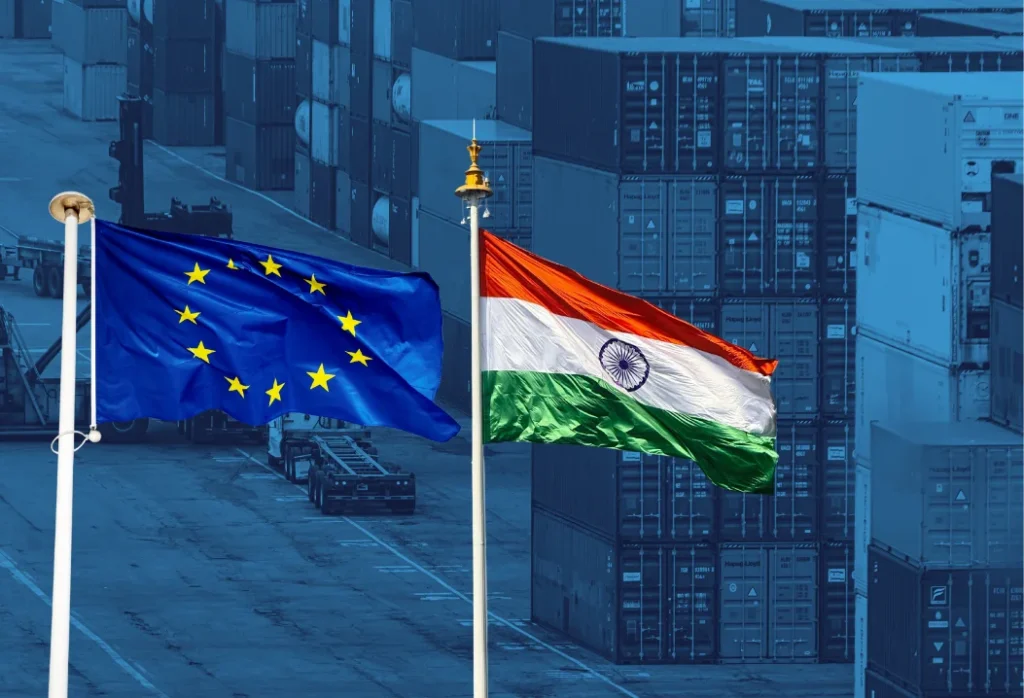
India’s new FTA with the EU removes the core tariff handicap Indian textiles and garments have faced, but benefits phase in with a lag and are tightly conditioned on rules of origin and sustainability, so competitive impacts will emerge over several years rather than in the next few quarters.
In the near term, there is a transition period since GSP suspension raises effective tariffs through 2028 until the FTA actually kicks in.
Exporters face a “year-plus” of elevated duties and increased compliance costs due to the EU’s Carbon Border Adjustment Mechanism (CBAM), particularly affecting steel, aluminum, and textiles, which may cause industry consolidation.
This could pressure weaker firms and accelerate consolidation.
The agreement also requires approval from the Council of the European Union, consent from the European Parliament, and completion of domestic procedures in India.
There are clear big wins for India, but also some serious challenges.
To continue reading, please login
Related articles

The promise of tariff refunds in 45 days might be more a ‘dare to dream’ than precise delivery date.

US tariffs enter a 150-day holding pattern that means continued uncertainty for brands and suppliers

Here’s what else is in the U.S. administration’s toolkit – and how likely they will be to use each.
Insights & Analysis