Decoding the New Section 301 Tariff Rules
New tariffs introduce a complex web of country-specific exemptions and HTS classifications that could significantly increase compliance work for sourcing

TARIFF TRACKING
/ Tariff relief improves competitiveness, but political and market risks remain
Indian manufacturers have been on a tariff rollercoaster over the past 18 months.
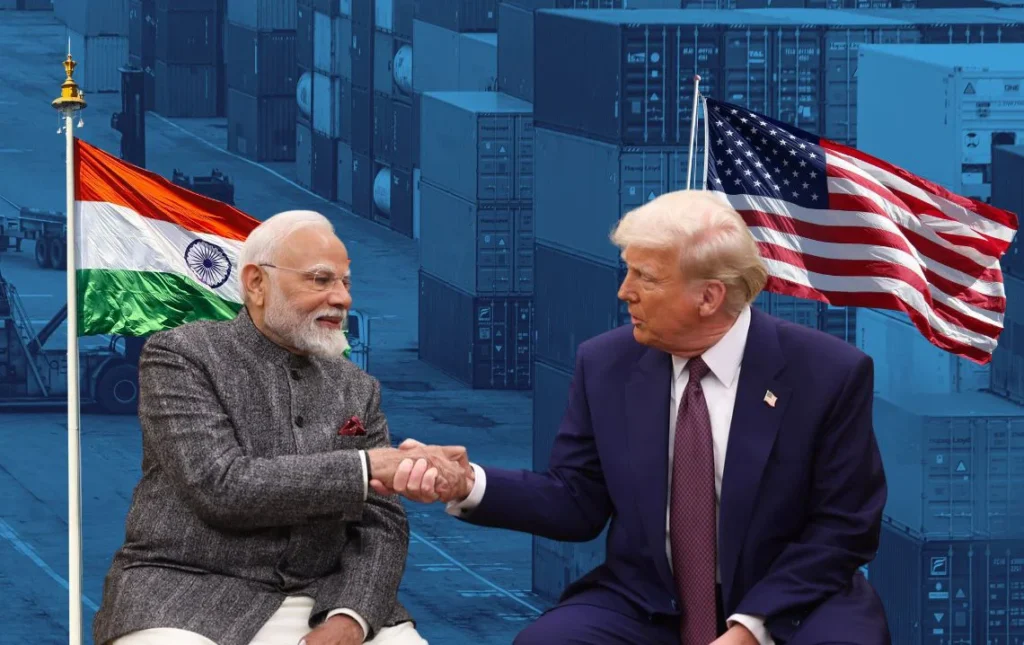
In 2024, India briefly became the ‘flavor of the month’ on the sourcing menu as brands looked to diversify production. That momentum reversed in 2025, when Indian exports were hit first with 25% US reciprocal tariffs, followed by an additional 25% punitive tariff.
New Delhi has been actively seeking a new deal. But negotiations with Washington appeared to stall – until suddenly the issue resurfaced.
On February 2, US President Donald Trump announced the removal of the additional 25% tariff, citing India’s reduction in purchases of Russian oil. He also said that reciprocal tariffs would be lowered to 18% placing India marginally below other major Asian apparel suppliers, which currently face tariffs in the 19%–20% range.
The unexpected deal is seen as revitalizing US-India trade, however there’s a lot more that needs to be worked out before suppliers or buyers can be certain that trade flows will truly be restored to previous levels.
To continue reading, please login
Related articles

New tariffs introduce a complex web of country-specific exemptions and HTS classifications that could significantly increase compliance work for sourcing


Section 301 tariffs threaten to add one more layer of complexity to an already complex trade environment.

Proposed Section 301 tariffs targeting 60 countries could reshape sourcing economics across many of the apparel industry’s largest production hubs.

Insights & Analysis