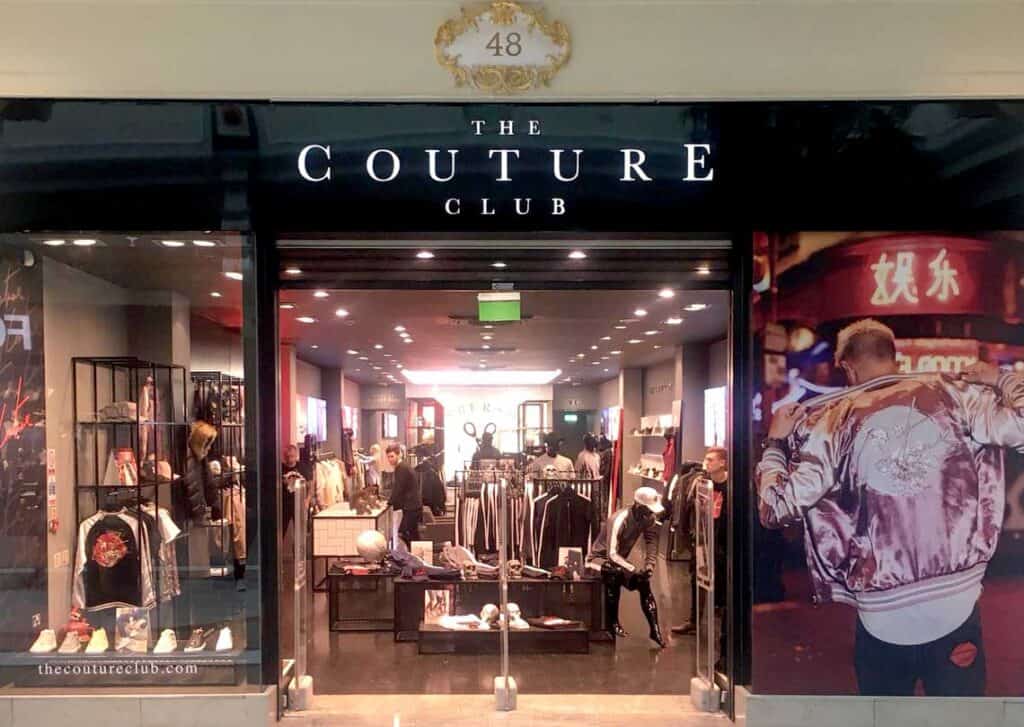
The common rant that physical retail is dead (backed up statistic about the number of store closings in a given time period) are proving to be just typical fear-based news from media outlets. In fact, the outlook for physical retail is actually quite good. The key driver behind physical retail growth is indie brands. Many began as digital native (online only) brands. Now they’re moving offline. <em><strong>Why?</strong></em> Because customer experience is now key – it’s the new dealmaker (or deal breaker). Experience is personal, and the most effective place to get up close and personal with customers is, not surprisingly, in physical stores. The commonly held belief that ‘Millennials are digital natives, hence they can only relate to things that are digital’ is proving to be wrong. The proof? Most digital native brands cater to Millennials and they’re leading the march towards Main Street. Most are surprised to find that their bricks n’ mortar stores are performing well. So the logical move it to grow their offline footprint. Brands like Vancouver-based Indochino are planning 20 new stores in North America, while US activewear brand Outdoor Voices is eyeing 50 new stores in the future, up from its current 10 locations. New York-based menswear line Rhone has only a few shops but senior management has said they plan to have a much bigger bricks n’ mortar footprint soon. Childrenswear subscription box Rockets of Awesome has been experimenting with pop-ups and shop-in-shop formats, which have proven successful. The number of new stores per brand is small. However, the number of brands that are establishing an offline presence is significant. Cumulatively, it is becoming a sizeable market segment. <strong>What’s working:</strong> creative store concepts, small-formats, and a higher staff-to-customer ratio. Beyond ‘experience’, the cost of selling online continues to surge, while the competition to make a sale gets even more intense. Offline, rents even in major cities and high streets, continue to fall. More brands are seizing the opportunity to test selling through physical stores (including pop ups and shop-in-shop formats). <h3>Retail Diversity</h3> Stores no long come in one size or shape. The heat from selling online fired up both online brands (to expand offline) and physical retail to think outside the box (literally!). Once a novelty, pop-up stores are now a common retail format in markets around the world. In October, Shopify, which sells software and merchant services, opened its first physical store in Los Angeles, California featuring some of its customers. The facility has also positioned itself as a resource for start ups and entrepreneurs. The key is to deliver an experience that consumers cannot get online. Pop-ups offer retailers the agility to do this. While online sales are growing (estimated increase of 10% in 2018), most of the growth is being driven by Amazon, Walmart and a few others. Online is continuing to consolidate around a few key e-commerce platforms that have the benefit of massive infrastructure backbones. <h3>The Human Factor</h3> A Harvard Business School study found that independent bookstores thriving through a formula of ‘community, curation and convening’. Unlike bookstore chains, the smaller stores have created a connection with customers. That human-to-human experience is meaningful enough to draw customers into the stores. By combining services with merchandise, savvy retailers are luring consumers. Online brand The Couture Club opened up a pop-up in the UK, which they positioned as a destination for getting ready for a night out. The shop included a barber shop, as well as the brand’s apparel collection. A live DJ provided music to get customers in the mood for a fun evening. <h3>The Real Benefit for Retailers (other than sales)</h3> Ultimately what has led many online brands to move offline is requests from customers to be able to ‘try before they buy.’ A clear upside for retailers is fewer returns. Regardless of how much data you can collect from online shoppers, we’ll never get the level of insight that we can get by talking to them in person. And that’s an in-store activity. Its where smaller stores are winning. The smaller chain is, by nature of its size, places senior management that much closer to customers and to customer-facing staff. Smaller stores (in terms of selling floor space) have more sales staff per square foot, which leads to greater customer interaction. In apparel retail, we tend to have big stores with few staff on the selling floor. Despite even the best management intensions, staff-customer communication tends take place only at the cash register – and that assumes that most of the people who enter the store actually buy something. However, communicating with those people who don’t buy is important. In fact it’s critical. We need to understand why didn’t they buy. No amount of ‘big data’ will tell us that. That’s ‘data’ that goes uncaptured – both on and offline. Unless there are trained sales staff who are tasked with interacting with customers. <h3><strong>Take away: </strong></h3> · Ultimately, it’s the experience not the channel that matters. · Indie retail chains are small, but there’s a lot of them. They are redefining physical retail models. · The ‘soft data’ captured in stores can reveal what customers want, but could not find.