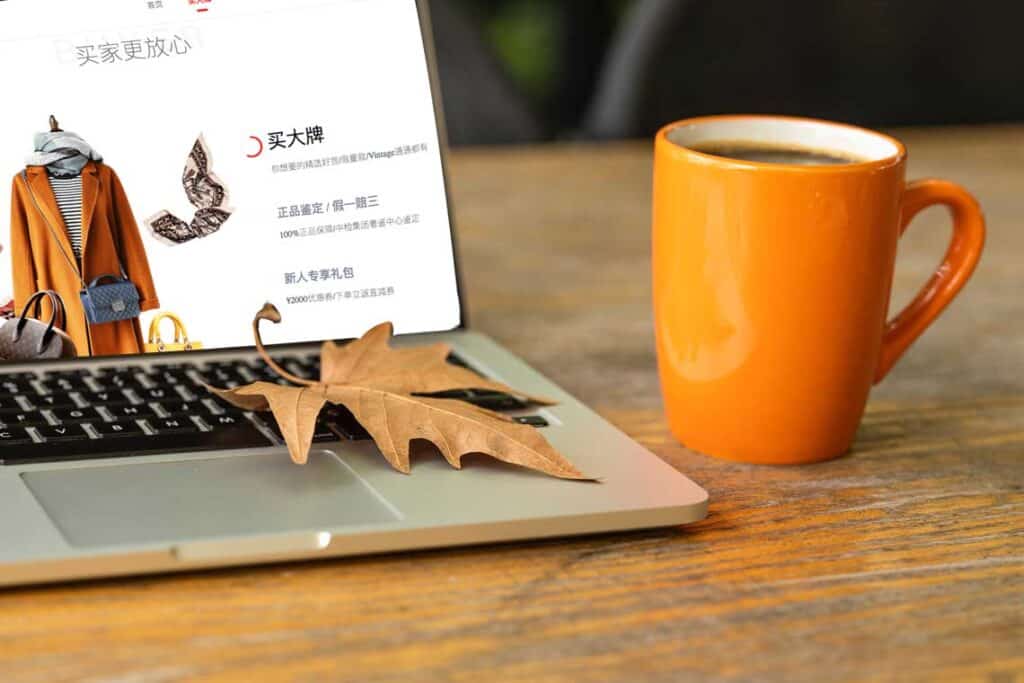
There was a time when Chinese shoppers would never consider buying second-hand goods. However, a new generation with a new attitude, led by millennials, is changing that.The rapid growth over recent years of second-hand luxury sales online platforms have helped fuel an expansion of the market, similar to those of U.S. online luxury reseller The RealReal Inc or Europe's Vestiaire Collective. Suddenly, resale sites are dotting China’s e-commerce landscape.Plum, a second-hand luxury products company based in Beijing is especially popular with budget conscious millennial women from China's lower tier cities.Sales growth at Plum have averaged over 25% month-on-month in the first half.The actual size of the Chinese second-hand luxury goods market is still small, but platforms such as Plum, Ponhu and Feiyu can expect to see strong growth in the coming years.A joint report by China's University of International Business and Economics and Isheyipai, a platform for second-hand luxury deals, estimated that sales of second-hand luxury products in China accounts for just 5% of the overall luxury market, compared with 28% in Japan and 31% in the United States. Millennials, those in their 20s and 30s, are a big market for the second-hand goods retailers. The joint university-Isheyipai report estimates that 52% of the second-hand luxury goods consumers in China are below 30 years old, a segment bigger than the entire U.S. population.On Plum's platform, a Louis Vuitton Speedy 25 Monogram rated at 85% new was offering at 4,548 yuan ($676.44), compared with $1,560 on the brand's homepage. A 90% new black Gucci GG Marmont small shoulder bag was sold at $727.31 versus the official price at $2,250.