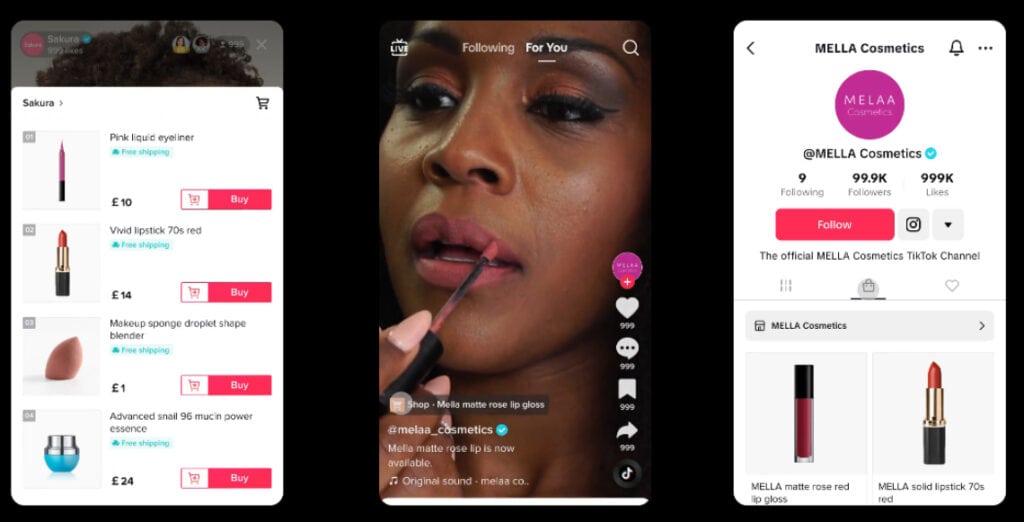
To continue reading, please login Login Not yet a member? Find out about joining Join Inside Fashion In mid September TikTok’s new shopping app rolled out in the US. The China-based social media app is hoping that its massive success in the online entertainment space will lead to equally great success in e-commerce. Currently TikTok has more than 150 million users in the U.S. ‘Social commerce’ is estimated to be a $69 billion market in the U.S., led by Facebook and Instagram, according to Insider Intelligence.With community-driven trends like #TikTokMadeMeBuyIt inspiring people to discover and share the products they love, TikTok is creating a new shopping culture, per a statement from TikTok.TikTok Shop will now bring shoppable videos and LIVE streams directly to For You feeds across the country – and give brands, merchants, and creators the tools to sell directly through shoppable content on the TikTok app.TikTok spokesperson Laura Perez said more than 200,000 sellers have registered for TikTok Shop. Meanwhile, over 100,000 content creators are participating in the affiliate program, which allows users who have 5,000 followers to create videos that go directly to TikTok’s algorithmically-engineered “For You” feed. But will TikTok be able to achieve what Instagram, Facebook, YouTube and other popular social media apps have not been able to do? Each has tried their hand at Live Selling and in app shopping, but thus far none have seen the kind of success that you’d expect to see from platforms packed with influencers and benefitting from huge numbers of active users.America's are big shoppers - but not on social media platforms. Amazon, Walmart and even smaller marketplaces remain untouchable by social commerce.What TikTok Shop OffersIn-Feed Video and LIVE Shopping: Shop tagged products directly from videos and LIVEs in the For You feed.Product Showcase: Browse product tiles, read reviews, and purchase directly from a favorite brand's profile. Businesses can curate custom product collections directly on their profile page.Shop Tab: Businesses display their products on a new product marketplace and customers can easily search and discover promotions. Product recommendations are showcased via product listings and shoppable content, and customers can manage orders, all within a single tab.Affiliate Program: Creators can connect with sellers through new commission-based product marketing opportunities. Creators have a new way to monetize their creativity by sharing products in short videos and livestreams, and sellers can choose the Affiliate plan that's the right fit for their brand.Shop Ads: New TikTok Shop Ads bring more opportunities for sellers to promote their TikTok Shops, so customers can discover and complete purchases all within TikTok.Fulfilled by TikTok: A new logistics solution that lets merchants focus on their products while TikTok Shop stores, picks, packs, and then ships sellers' products to customers.Secure Checkout: TikTok works with trusted third party payment platforms to facilitate transactions on TikTok Shop, to ensure a quick, smooth, and secure checkout process. All TikTok protected US user data is stored in the US and managed by USDS.OUTLOOK: TikTok is the latest in a series of prominent social media platforms that have tried to pivot to e-commerce. Facebook, Instagram, Pinterest, Snapchat, and even Google have tried to launch shopping functions in the U.S., usually with disappointing results. Live-shopping services on Facebook, Instagram and YouTube have not succeeded.Now You’re Trying to Sell Me Something?While TikTok Shop has unique functions (affiliate program, fulfilled by TikTok), consumers have lots of choices for shopping so grabbing market share could prove as difficult for TikTok as it has for other social media apps. And most prefer to shop on trusted e-commerce sites, not social media.Consumers might not react well to people on TikTok, who positioned themselves as there to entertain you, are now trying to sell you stuff.In China, TikTok sold a reported $500 billion worth of goods in 2022. However what works in one market doesn’t necessarily work in another. It’s a lesson we see time and time again around the world.