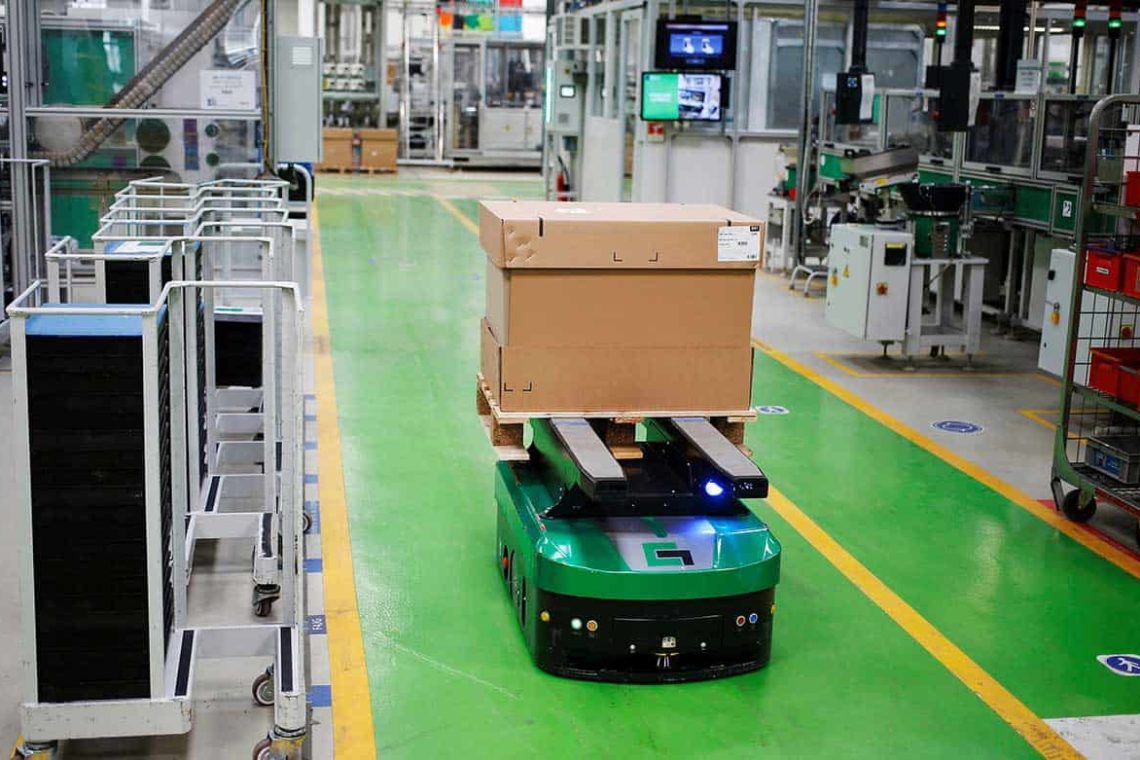
Everyone is talking about robotics these days. Manufacturers tend to see completely automated apparel production as not viable, given the complexities of making most garments. Consultants, on the other hand, tell us that this is the future – and the future is now.Unquestionably, garment manufacturing is seeing greater automation. Right now, the most practical application (at least from a cost-benefit point of view) are co-bots – essentially automation that boost worker productivity, rather than actually replacing workers.Here are some of the arguments for and against robots. The Upside• Predictable. Because they’re machines, robots can work at a steady speed. Production becomes very predictable.• Reliable. Robots are reliable – no sick days, they don’t job-hop. • No union issues such as strikes.• Compliance is Easier. Reduce or eliminate labor-related compliance issues. Robots increase workplace safety by performing tasks that are dangerous or physically demanding. Child labor or other human rights issues related to workers are no longer a problem.• Flexibility. In some cases, machines can be reprogrammed to do a different task more easily than teaching workers a new skill.• Higher quality. Robots can be programmed to perform a task with great precision – every time. As long as the machinery is working, the quality will remain at a consistent level. This also reduces waste. The Downside• Capital Investment. Robots are expensive. A manufacturer needs to make a huge capital investment, which will take a long time show ROI. • Obsolescence. The risk of fast introduction of newer/better technology making your machines obsolete. The associated risk of companies discontinuing tech support and parts for older machines.• Maintenance Costs. The more complex the machine, the greater the cost of maintenance. To get the benefits of reliable, consistent production, each machine must function at peak performance – all the time.• Poor Planning, Poor Output. Robots are only as efficient as the people who program them. A factory without good planning will have subpar output, regardless of the investment in robots.• Training is More Intensive. There is a heavy investment in training people to use robotic equipment. Change management is also an issue here. This costs time and money.• Dangers of Equipment Malfunctions. While robots can do some of the hazardous work instead of workers, robots can present dangers if they malfunction.