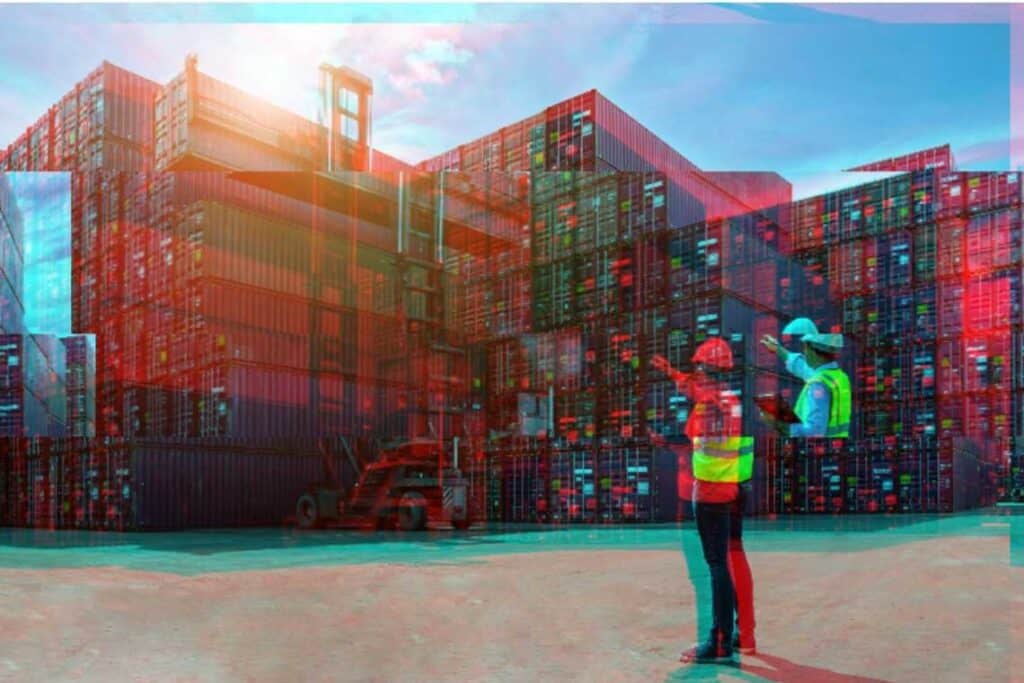
The supply chain challenges brought on by the pandemic could remain, even after world health has been restored.While factory closures and dock worker shortages will no longer be an issue, other things are likely to linger. The faltering of supply chains is partly because of the strange effects that the pandemic has had on global economies. The demand for goods bounced back faster and strong than the supply chain, as factories have faced a stop-start scenario for about 18 months and empty shipping containers have been displaced.Here are five potentially long-term supply chain problem areas that sourcing executives need to look out for:Even More Volatility and Uncertainty. As global demand improves and continues to support industrial production, supply chain problems are here to stay, making it difficult and expensive for firms to get hold of industrial inputs even as more countries recover from the pandemic, “particularly in a policy environment increasingly geared towards reshoring and domestic production”, said Joanna Konings, senior economist at ING. A Lack of Ocean Freight Capacity. Ocean freight capacity has reached the limits of what it can deliver while health measures remain in place at ports. “Having enjoyed outstanding financial results during the pandemic, shipping companies have placed record levels of new orders for container vessels during 2021,” said Ms. Konings. “But the companies also seem to have learned how to manage capacity better in their alliances. They may continue to take capacity out of the system at short notice, reducing the price-dampening impact of new capacity coming onstream.”“We continued to move unprecedented volumes during the quarter, as ocean and air buy/sell rates remained elevated and volatile, capacity was extremely tight and supply chain disruptions showed no signs of abatement,” said Jeffrey Musser,Chief Executive, Expeditors International of Washington Inc.“Currently we do not foresee any meaningful improvements to the operating environment over at least the remainder of the year, as the global infrastructure for moving freight seems nearly stretched to its limit.”Long Order Lead Times. Right now, raw material shortages are occurring in many different sectors. According to the Institute for Supply Management, lead times are at record highs for most products. Lead times for production materials rose from 85 days in May to 88 days in June—the highest figure since ISM began collecting data in 1987. Higher Costs. From record breaking freight rates to rising materials costs and upward pressure on wages - especially for frontline and essential workers - production prices are likely to crack what has been a decades-long ceiling. Unstable Supply Chains. With the ongoing supply disruptions heightening the risks of global supply chains, there are two likely trends to emerge. For some brands, nearshoring will be an option, at least for part of their production. The higher cost of sourcing nearer to home will be offset by a savings on logistics, assuming shipping rates stay at their current levels. For most brands, looking for countries that offer vertical supply chains - with raw materials and manufacturing available, and supported by strong logistics infrastructure, will be an important criteria for minimizing risk.