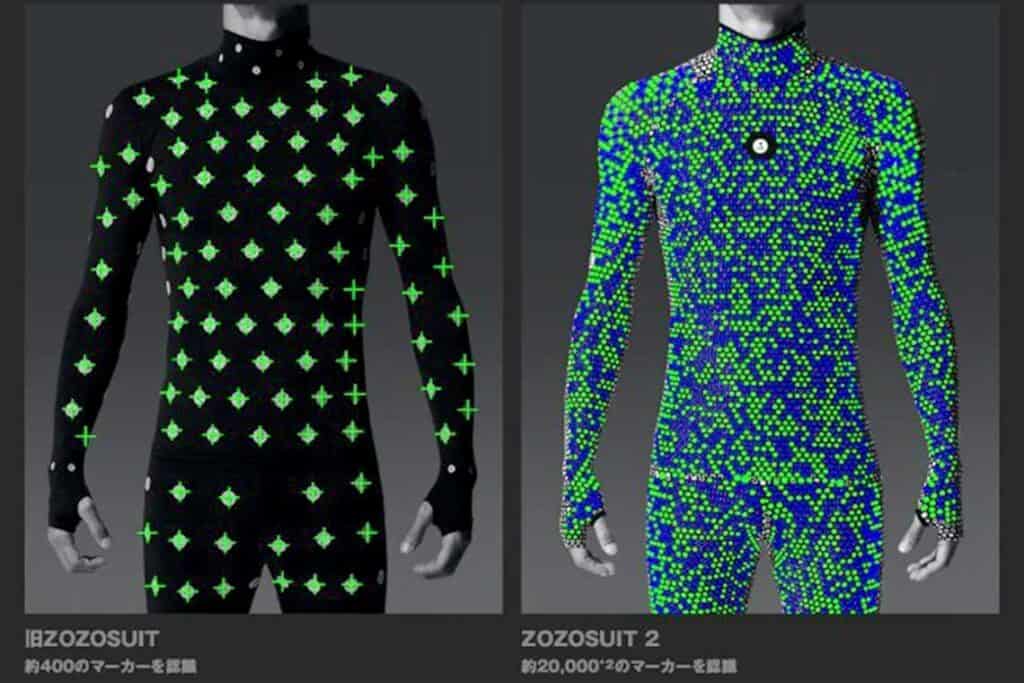
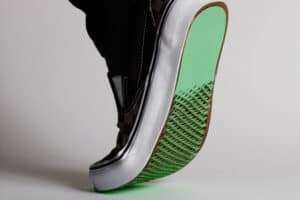
The number of apps that provide virtual body measurement has surged with everyone from tech start ups to established players jumping in to the market. The massive migration to e-commerce fueled by COVID, but already underway even before the pandemic hit, has been a blessing and a curse for apparel retailers. With consumers being way more demanding about fit, retailers were saddled with merchandise returns of up to 70 percent on clothing sales. At that level, the cost of restocking, free shipping and possibly free returns wipes out any profits. Essentially, the more you sell the more money you lose. Finding ways to allow consumers to find clothing that fits, as well as being better able to convey color and texture, is driving tech companies to consider how they can apply AI, virtual realty, augmented reality and other tools to develop online dressing rooms that are almost as good as IRL (in real life) ones. Recently two pioneers in virtual body-meaurement have rolled out newer and better versions of their apps. <h3><strong>From Not-So-Good to Great</strong></h3> Japanese online fashion retailer Zozo Inc says its successor to its "Zozosuit" body-measuring suit has solved the flaws that sank its earlier version. The original polka-dot bodysuit, which when scanned with a smartphone allowed users to upload their measurements and order custom-made clothes, received massive interest from the fashion industry but failed to drive sales amid complaints of poor sizing. Zozo's engineers had reworked their algorithms and increased the number of measuring markers to 20,000 from 400 previously for the "Zozosuit 2", according to Chief Operating Officer Masahiro Ito. <figure> <img src="https://insidefashionlive.net/wp-content/uploads/2020/11/zozo2.jpg" alt="" loading="lazy" srcset="https://insidefashionlive.net/wp-content/uploads/2020/11/zozo2.jpg 678w, https://insidefashionlive.net/wp-content/uploads/2020/11/zozo2-300x192.jpg 300w" sizes="(max-width: 678px) 100vw, 678px" width="678" height="433"><figcaption>The previous ZOZOSUIT is composed of 2mm fiducial markers, whereas ZOZOSUIT 2 is composed of 6mm fiducial markers. The latter are better recognized by smartphone cameras, enabling higher resolution scans.</figcaption></figure> "We have spent the last two years getting rid of every issue that people had so the entire process is more robust," he told Reuters. "Last time we were going too fast. Right now, I don't think we need to be too careful either," said Mr. Ito. Accurate and easy-to-use body measuring technology is being targeted by online fashion retailers trying to reduce returns. <h3><strong>Digitizing the Products</strong></h3> Yoox, part of the Yoox Net-a-Porter (YNAP) group, has also been working on improving the accuracy of its virtual measuring technology. The company announced that its AI-powered virtual styling suite now offers 50,000 fully digitized products. The new upgraded tool also features a completely new layout. Yoox’s private label collection of 8 by Yoox, has for the first time been fully digitized for the virtual dressing room. A share function has also been added, allowing users to share looks on their social media channels. Launched in 2018, YooxMirror allows app users to dress digital avatars of themselves in virtual clothing to get an idea of how the outfit would look. It was one of the earlier brands to give the fitting room a digital makeover. It proved to be a valuable investment during months of COVID. Zozo, which is controlled by SoftBank's domestic internet business, is also seeking partners in fitness, healthcare and other sectors. The company hopes to offer the suit within a year. The new design can be produced at low-cost via an easily scalable printing process, Mr. Ito said. Best known for the Zozotown online mall, the firm also offers the "Zozomat" for measuring feet, which it says has cut shoes returns by around a third. The global virtual fitting room market is forecast to more than double from $3 million in 2019 to 6.5 million dollars by 2025, according to recent research.