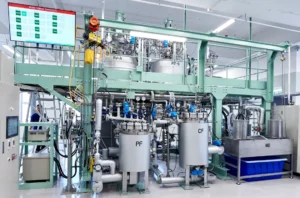
Can Technology Make Circularity Work at Scale?
New technologies, like AI sorting, fiber separation, and automated disassembly, are solving key obstacles so textile recycling can work at
TECHNOLOGY
/ As brands demand source tagging and regulators push traceability, digital IDs are reshaping the apparel supply chain.
For years, RFID in apparel was seen as a store-level tool – a way to count inventory faster or reduce shrink. Now RFID, IoT, and digital IDs are moving upstream, becoming core infrastructure across the entire supply chain, from raw materials to retail floor.
Today, retailers want better inventory control. Regulators want traceability. Brands want visibility. And increasingly, all of that starts at the factory.
The result is a structural change in how apparel supply chains operate – one that is creating both new capabilities and new demands on sourcing teams.
To continue reading, please login
Related articles

New technologies, like AI sorting, fiber separation, and automated disassembly, are solving key obstacles so textile recycling can work at


AI, predictive data and connected systems are turning supply chain visibility into faster, more automated decisions

AI and better product data are turning 3D from a visualization tool into a connected product-development system

Insights & Analysis