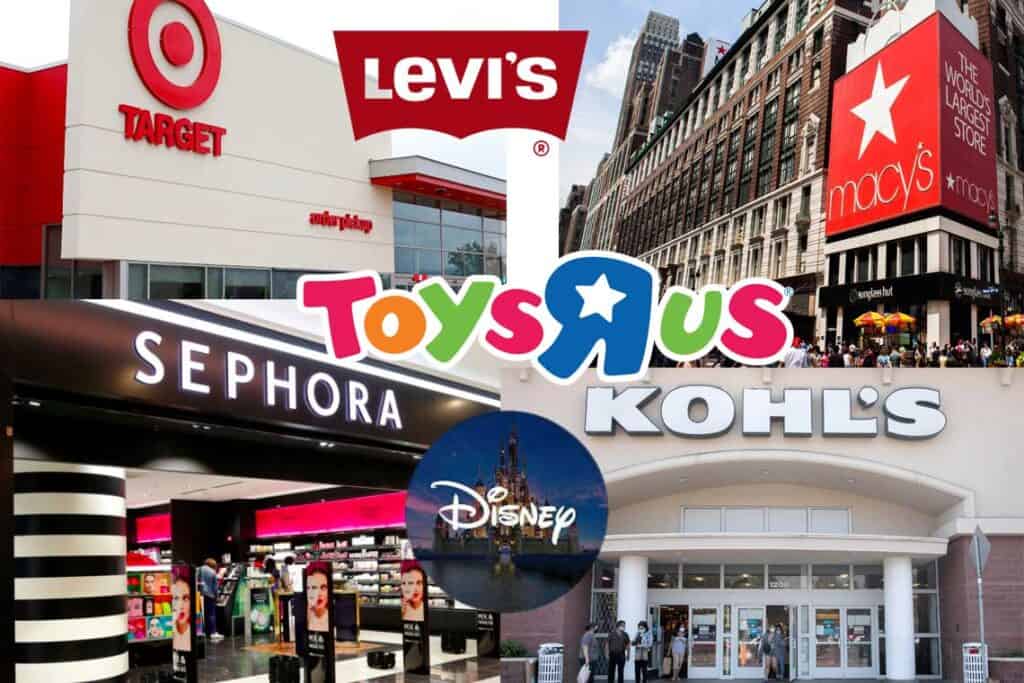
For more than a decade retail has been dominated by concept stores or big box retailers. However what worked back in the day is no longer performing that way it used to - and in many cases not performing at all.Consumers want much more variety in stores and at the same time that retailers are realizing that reducing the number of SKUs is a key to boosting profitability and mitigating supply chain risks.Ideally, retailers want to add new brands without having to own the product development and manufacturing of those brands - and sometimes even the marketing and inventory.Building an effective multichannel ecosystem that offers a wide enough range of products and services to compete in today’s market takes time, money and resources that most retailers simply don’t possess.Instead retailers are building ecosystems of brand partners. Together they are able to share the burden of meeting consumer expectations and drive more sell through for both the retailer and their brand partners.Partnerships with brands can range from something a simple as taking in a brand who merchandise compliments their own products on a consignment basis to shop-in-shop agreements (Ulta Beauty and Disney in Target, Toys R Us in Macy’s, Sephora in Kohl’s) and exclusive brand deals where a brand produces an exclusive line specifically to be sold in one retailer’s stores (Levi’s for Target, Gap Home for Walmart).While big retailers have been at the forefront of this trend, the opportunities to model this format is just as viable for smaller retailers. 1. Add More Categories and Products - QuicklyBig-box retailers and department stores have partnered with both major brands and smaller established companies to enhance their online and offline ecosystems to draw more customers.Nordstrom’s partnered with Tonal to add a new fitness category to stores while leveraging Tonal’s existing supply and fulfillment system. Adding Ulta Beauty shops within its stores instantly elevated Target’s beauty category. Pharmacy chain CVS added GlamSquad products to its stores to help reach more millennial and Gen Z customers — and expanded its hair care category with already popular products and services.2. More Tech - with Less InvestmentPartnerships can enable digital transformation faster and more efficiently by sharing the cost and bandwidth needed to integrate new tech-driven systems. By partnering with a brand that already has such expertise and resources at their disposal, the learning curve for retailers is substantially shortened.Walmart’s partnership with Verizon put it on a faster track to integrate 5G capabilities and edge computing into its stores than if it were to build the infrastructure itself. Overall, leveraging Verizon’s expertise allows a far more rapid program rollout as well as ongoing support for troubleshooting and maintenance — all without taxing Walmart’s in-house teams.3. Bricks With Going BrokeE-commerce has allowed the emergence of direct-to-consumer (D2C) brands over the past few years, but many online-only companies lack access to brick-and-mortar locations. This often results in higher costs for fulfillment and shipping, and lower profit margins.Even small brands who are unable to fund full shop-in-shop programs within major retailers are able to at least gain some delivery advantages. This could range from partnering with shopping centers, department stores, or even convenience stores to provide locations for customers to pick up or return products that can potentially reduce last-mile fulfillment costs.Carving out showrooming space within existing retail locations allows brands to expand their multichannel capabilities. There’s also a growing number of opportunities for pop-ups within department stores and concept stores. 4. Sharing StaffingCustomer service has always been critical driving customer loyalty however the cost of hiring, training and retaining staff is a challenge, even for big retailers.This is another area where brand partnerships are allowing retailers and established brands to share resources and save costs.Apple has often struggled to find enough customer-facing staff. One solution was to open Apple shops within Target. Target’s staff handles in-store or curbside pickup, localized last-mile fulfillment, and in-store customer service. Target of course gains foot traffic to their stores and more visitors to their website as a result of being able to provide services for Apple customers.In today’s retail environment, it takes a village to support a successful omnichannel experience that offers a high level of convenience, product range, fulfillment choices, and customer service that has become expected by most consumers. Consumers prefer a multi brand retail experience. Brand partnerships are one way that’s helping give them what they want, without adding an unbearable burden on retailers.Future success will be significantly aided by the quality of partnerships a retailer holds.