Can Technology Make Circularity Work at Scale?
New technologies, like AI sorting, fiber separation, and automated disassembly, are solving key obstacles so textile recycling can work at
Logistics
/ Greater automation has made supply chains more efficient – but also more vulnerable when critical systems, data or providers suddenly become unavailable.
Supply chains have always faced disruption. What has changed is the number of things that can now go wrong at the same time – and how quickly a problem in one part of the organization can spread to another.
Cyberattacks can shut down systems without warning. Tariffs and customs regulations can change almost overnight. Hurricanes, fires and other events can disrupt facilities, people and transportation. Meanwhile, increasingly digitized logistics operations have made companies more efficient, but also more dependent on the technology that keeps goods moving.
For Susan Kargel, founder of BruteMitigator, and a logistics and customs expert with 40 years of industry experience, this makes business continuity planning increasingly important.
Many companies already have continuity plans. The problem, she says, is that those plans often focus on preparing for an event rather than answering a more difficult question: How will the business actually operate while its normal capabilities are unavailable?
To continue reading, please login
Related articles

New technologies, like AI sorting, fiber separation, and automated disassembly, are solving key obstacles so textile recycling can work at


AI, predictive data and connected systems are turning supply chain visibility into faster, more automated decisions

AI and better product data are turning 3D from a visualization tool into a connected product-development system
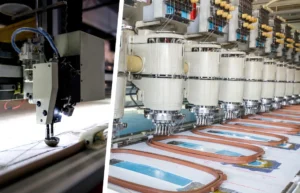
Automation and micro-factories are enabling faster, more flexible production in a volatile sourcing environment.

Insights & Analysis