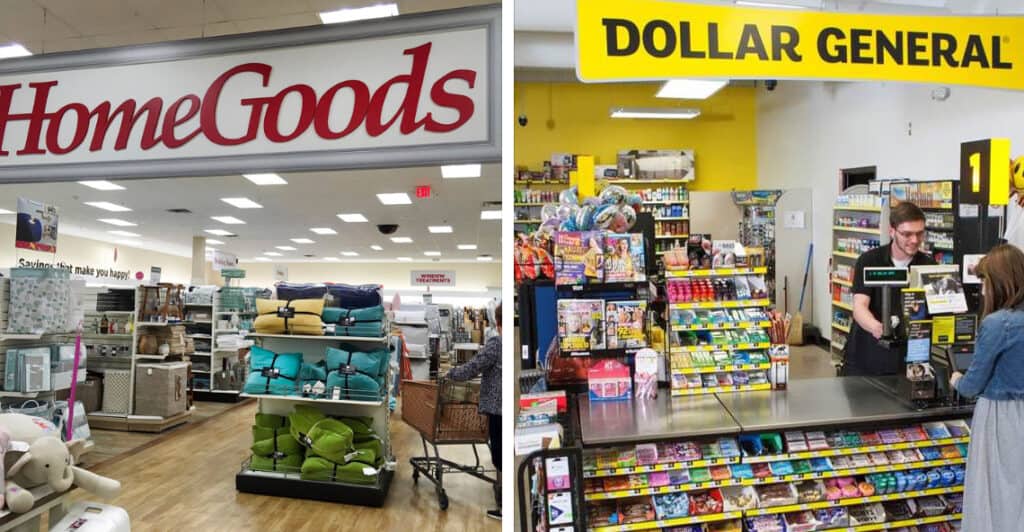
These days when we talk about retail, the conversation quickly turns to e-commerce. In a tech centric era, the pandemic was the perfect storm that convinced everyone that the future of retail was online. The usual pundit and experts proclaimed , “go digital or die”. Companies threw every possible resource and building or enhancing their ecommerce channels, massive amounts of capital was poured into technology based digital solutions, oftentimes at the expense of everything else. <h3><b>Maybe Not …</b></h3> With the pandemic behind us and inflation ahead of us. Is the future of retail still going to be heavily dependent upon e-commerce? And if not, what could the next successful business model look like? While e-commerce has become an integral part of the retail ecosystem, smart retailers are starting to see that it is a part - and not the whole. And that physical stores play a vital role from building customer engagement to that all-important customer acquisition. <h3><b>Amazon Envy</b></h3> The number one thing that everyone has to understand about Amazon is that the retail portion of their business does not make a profit. It is a lost leader. So when everyone starts to copy the Amazon way of doing things, they're headed for trouble. “Amazon makes their money from the media advertising and their AWS fees. What's happened in retail is we became copycats, then we find out that all of a sudden we don't have any profit. We are into this cycle now of free delivery and free returns. And it's absolutely killing many companies. Essentially, if you're going to go up against Amazon, you better be Walmart,” said Walter Holbrook, a retail consultant with over 50 years of experience in senior management roles at retail chains, including Kmart, Turner Home, and Rugged Warehouse, and others. <blockquote> “For too long the focus has been on revenue growth. We’ve gotten away from prioritizing profitability.” <footer> <cite>Walter Holbrook, retail consultant</cite> </footer></blockquote> While the soaring costs associated with e-commerce - from fulfillment to customer acquisition, and many others - crushing many brands’ and retailers’ profits, there are other retailers who realized that they couldn’t afford to run an e-commerce channel, and so opted not to. <h3><b>The Opportunity in Value</b></h3> With economic headwinds rattling what a year ago was a huge retail bull run, consumers have started to focus sharply on ‘value’. Not just cheaper, but better. That opened a huge opportunity for retailers who previously were overshadowed by international power brands and hoped-to-be unicorn DTC brands. And while no one was looking, a growing number of discounters and off-price retailers were expanding rapidly - and profitably. And they were going into markets that other retailers had passed over. Part of the appeal of discounters and off-price is the thrill of getting a bargain. Another part is exploring the extensive merchandise they stores typically offer. Stores like Dollar General and competitor Dollar Tree are making literally billions of dollars a year … $1 at a time. And they are also making a profit. Dollar Tree’s net sales increased 6.6% to $13.67 billion for the first half of 2022. Net income increased 36.4% to $896.3 million. The company operates over 16,000 stores in the U.S. “Dollar General has an amazing story. Their revenue reached $35 billion in fiscal year 2022 and they operate 18,000 stores in the U.S., with 1000 new stores coming online this year. Despite rising costs, the company raised its full year guidance with both net sales and same-store sales expected to show stronger growth. <blockquote> When did it start making sense to invest in a business that doesn’t make money?</blockquote> Off-price retailer TJX said that online sales accounted for less than 3% of its sales in the first half of fiscal 2022 and 2021. The company operates a total of 4,736 stores in nine countries. While other retailers have reported losses, TJX’s profits rose 5.8% during the first half of this year, according to the company’s recent financial statements. “For too long the focus has been on revenue growth. We’ve gotten away from prioritizing profitability,” said Mr. Holbrook. He points to Wayfair, a digital only company and the fact that “the more sales they make, the more money they lose.” “When did it start making sense to invest in a business that doesn’t make money?” he asks. “Walmart is starting to ask the tougher questions about retail concepts, especially those that are centered around the e-commerce business,” he adds. <h3><b>The Opportunity in In-Store Experiences</b></h3> Retail has always been partly about the acquisition of goods, but a large part is also the entertainment value that stores provide. Maximizing that in-store experience can be extremely profitable. “There is a fast growing chain from Texas called Buc-ee’s. It's the world's one largest convenience store. They are basically a Walmart, a barbecue restaurant, a gas station and a convenience store who’s inventory include apparel and fishing gear. And their cult following is absolutely amazing,” said Mr. Holbrook. The chain has 43 locations throughout the southern U.S. “People are actually planning their holiday travel routes so that they include stopping at a Buc-ee’s.” It’s easy to underestimate the entertainment value of retail. However, whether it’s a quick stop at a convenience store or a few hours browsing in a department store or flagship, for most people shopping is still a sought after form of entertainment. “Today when management visits stores they only see issues with technology. But no one's talking about end cap production, visual merchandising, adjacencies or cross merchandising. Some of those concepts that are as powerful today as they were 30 years ago. But they're not part of the narrative anymore,” said Mr. Holbrook. However technology is a tool, and it can be an expensive one. It can help you in many ways, but it won’t fix your business for you. <h3><b>The Opportunity in Really Understanding Your Customer</b></h3> Target has also been performing well, outside the past quarter when excess inventory weighed them down. “Target understands suburbia like no one. They understand that aspirational female shopper that wants to have a stylish home. She wants to look stylish. She wants her family to be stylish. Target is fantastic at that. Costco also not only wins on price but they have made their stores exciting. It’s not about online or offline. It’s about knowing your customer and providing them with what they want. <h3><b>The Opportunity in Investing in Customer Service</b></h3> One of the ways stores have been able to win is through their ability to create better engagement between the customer and the brand and products. “Retailers often underestimate that value that customers place on interacting with sales assistants. A good sales assistant that has product knowledge and can offer great customer service is worth their weight in gold. They create experiences that customers remember long after they’ve left the store - and that they share with others,” said Mr. Holbrook. From word-of-mouth marketing to customer loyalty, a retailer’s investment in good people can pay huge dividends. There’s also the excitement of a store with strong visual merchandising. The retailers that get this right can profit tremendously by creating a place that people want to visit. And a happy, engaged shopper tends to be inclined to spend. The combination of novelty, value prices and service are defining the new retail winners - in terms of sales growth and profitability.