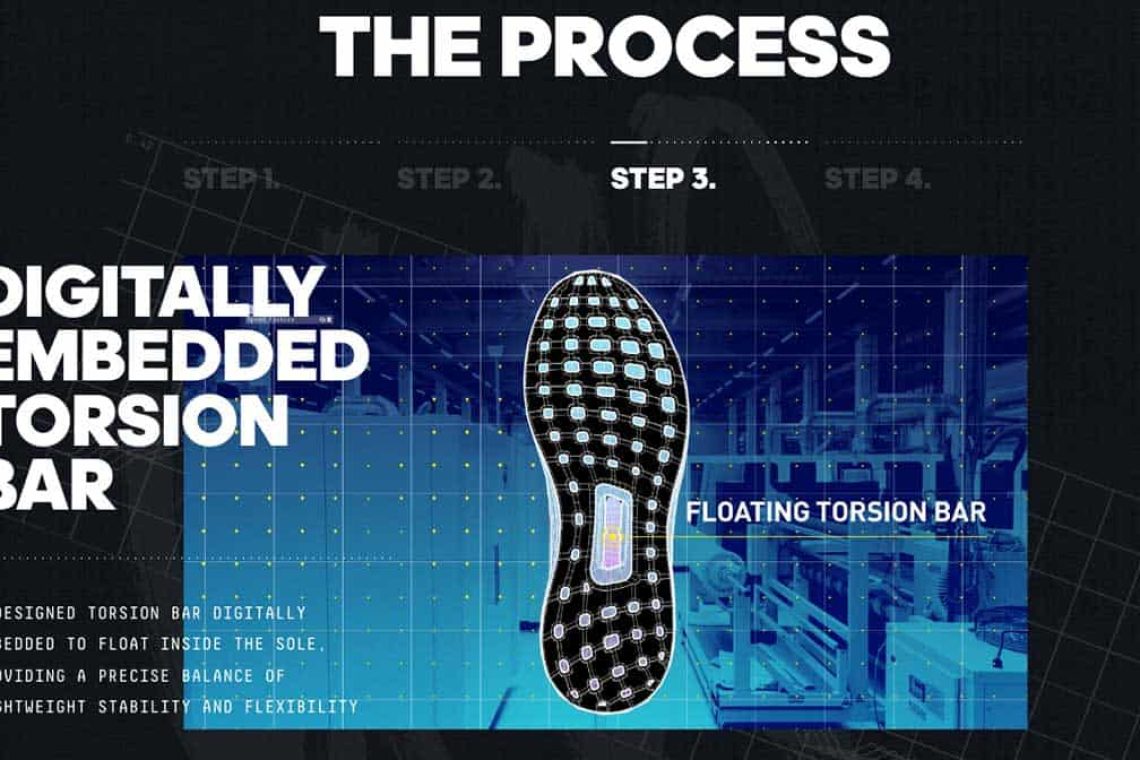
When adidas announced that it would be closing its two Speedfactories in Germany and the US and moving production back to Asia many manufacturing experts were saying "I told you so."The future vision of robots replacing workers is still a vision, not a reality. the closing of the facilities has been sort of a 'proof of concept' for the industry. If adidas can't make it work, who can?The 4-years of operating the facilities demonstrated what machines can do - and what they can't. As well as the actual costs of running this kind of facility. Previously, most of this has been more theoretical than practical.When adidas (Germany) opened their “speed factories” in Germany (2016) and the US (2017) the goal was to decentralize production in order to get products to consumers faster. It was seen as an important first step in both automation and re-shoring.At one time, the two factories had a combined annual production of 1 million pairs.However, even as the two factories continued to make headlines, industry insiders were skeptical. Few with hands on manufacturing or sourcing experience believed that automated apparel production would replace the manual labor in Asia and other low-cost locations.It seems that in fact it could not.A statement from the company in November announced that these factories would be closing and the technology would be relocated to China and Vietnam by the end of this year.A former adidas exec told Inside Fashion confidentially that the problem was that “the factories were too expensive.” Even with faster lead times and being closer to the end market, as well as replacing people with machines – it is still cheaper to make the product in Asia.One day we’ll see fully automated factories. For now, the practical side to automation will be ‘co-bots’ – automation that’s designed to enhance workers’ performance, not to replace them. Key Commentary“More than 90% of our products are manufactured in Asia. It makes more sense to concentrate the production of the Speedfactories where the know-how and the suppliers are located,” said Adidas spokesperson Claudia Lange (CNN Business)The Speedfactories were intended as an alternative to manufacturing hubs in Asia where labor and overhead are cheaper. (The Verge)Before it opened the Speedfactories, Adidas said it could take up to 60 days to make a shoe. The Speedfactories were designed to “speed up” that process by bringing production to one location and having robots do most of the work. (The Robot Report)The robotic factories have had their difficulties. They were only able to produce a limited number of models, that mainly consisted of running shoes with a knit upper. However they were unable to produce leather shoes with rubber soles, which include popular shoes like the Superstar and Stan Smith. (The Verge)It can be more challenging to change production lines in a robotic factory, as opposed to retraining a human workforce. (Tech Crunch)Robotic factories are a powerful tool but difficult to quickly reconfigure or repurpose, since it takes specialty knowledge to set up racks of robotic arms, computer vision systems, and so on. (Tech Crunch)Adidas will continue to work with Oechsler, the German company which operates the two factories, in other manufacturing areas, such as producing soles for its springy Boost shoes, as well as soles for soccer shoes and advanced 3D printed soles. (Reuters)