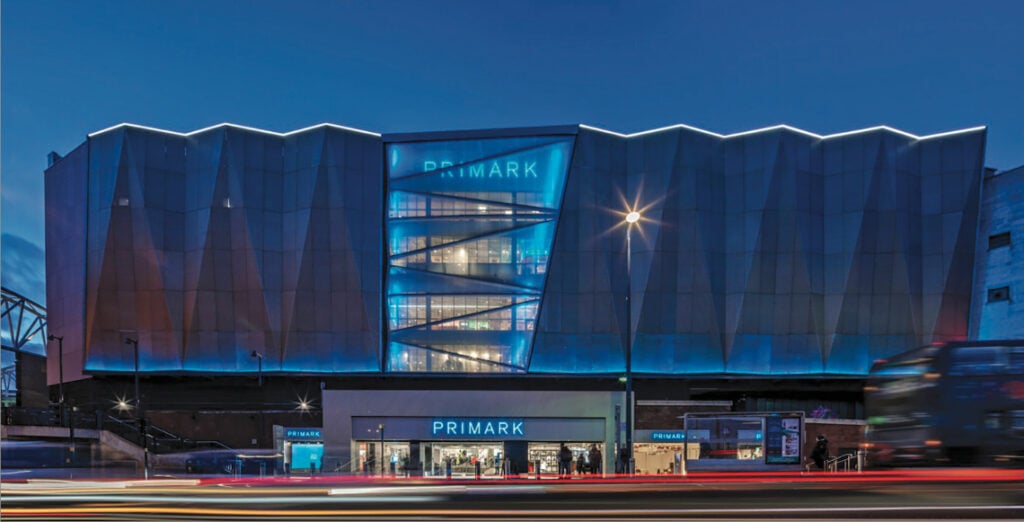
If you listen to all the talk, Gen Z is all about sustainability. This is the generation that was literally schooled on climate change, protecting the planet and all things green.So what then explains the ongoing success of Primark - a retailer whose business model is selling fast fashion at rock bottom prices that’s mainly made from synthetic materials?And unlike other retailers, they’ve remained heavily reliant on physical stores when everyone else was going all in on e-commerce.It seems that listening to your customers, rather than to the naysayers, commentators and experts, is how to succeed in a challenging market.Beating the MarketPrimark continued to turn in an impressive financial performance in a year in 2023 when most other retailers were lucky to show even single digit growth, let alone profits.“Primark revenues rose strongly in this financial year, up 15% to £9 billion and exceeding our expectations a year ago,” according to a statement from Associated British Foods, Primark’s parent. Same-store sales rose 8.5 percent year-on-year.The retailer said that sales increased in all its markets was driven by a number of factors, including carefully selected price increases taken to partially offset high and volatile input cost inflation and well-received product ranges.The retailer reported operating profits of £717 million, up 30.4% year-on-year. Operating margins were 8.2%, down from 9.8% a year ago. This was attributed in part to a higher cost of bought-in goods including a more significant impact of the strength of the US dollar against sterling and the euro.PRIMARK’S SUPER POWERSWith prices that are too low to make e-commerce a viable option (the shipping would cost more than the garment - not to mention reverse logistics), Primark really had little choice than to go all in on physical stores.So they went all out on the store experience. That’s given the retailer a critical market advantage by positioning them away from the intensely competitive online market where they’d be up against heavy hitters like Shein and Temu, as well a host of other retailers both large and small.Once Primark gets the consumer into their stores, they have their undivided attention. Primark uses this to their best advantage, creating an in store experience that’s more than simply an opportunity to buy trendy clothing at budget prices.FUN FACT: Primark’s mega store in Birmingham, UK is the world’s largest fashion retailer, per The Guiness Book of World Records. The 14,761 m² (158,892 ft²) store, which opened in 2019, took over an entire shopping center. In addition to clothing, this Primark offers a beauty studio, cafes and a barber.A CAPTIVATING RETAIL EXPERIENCEEssentially Primark is a hybrid of a fashion store and a big box store. These are not just big stores - they are destinations! Many of the stores include cafes, play areas and photo/selfie zones. The larger store size gives Primark the space to create eye-catching visual merchandising and display photos from its Primania gallery.Primark has created a retail environment where shoppers simply want to buy. If Primark can get them into the store, chances are very high that they will make a purchase. This is something that few other retailers have achieved.Primark has also benefited from the shift in consumer preferences away from apparel with logos that let people know what brand you were wearing.Today it can be difficult to know if that trendy top or cool pullover is from a mid tier brand - or from Primark. Thus consumers who might have previously shopped only mid tier stores are now happy to also shop at Primark.EXPANSION GOAL: Operate 60 stores in the United States by the end of 2026, with a total of 530 stores worldwide. Currently, Primark has over 400 stores in 15 countries.PRIMARK MANIAPrimark’s target audience is Millennials and GenZ so leaning into social media has been a good marketing strategy for the retailer.The company’s mission statement states: “We target millennials through non-traditional marketing tactics by using minimal advertising and utilizing social media and word of mouth promotion.”Primark not only partners with social media influencers, it also encourages its customers to promote Primark products on social media by encouraging shoppers to take selfies of themselves in the retailer's clothes.Taking this one step further, Primark created Primania.Through this online platform, Primark invites customers from all over the world to share photos and images of their Primark outfits to Instagram with the hashtag #Primania. These are subsequently shown in its LED store displays across Europe and the US.“Primania is our online gallery showcasing the amazing outfit choices our customers create!”, according to the retailer’s website. “Customers can simply hashtag their image on Instagram with #Primania and/or #Primark - and it will be included in the Primania gallery.”This not only promotes Primark, it builds customer engagement. BACK STAGEWhile there’s an assumption that low priced garments are made from cheap materials and produced in poor quality factories, that’s not always the case.Many of the factories that make apparel for Primark, also are producing for higher end brands. Granted the quality standards might not be the same, but it points out that Primark is not necessarily achieving cheap prices by sourcing from the worst-of-the-worst factories.Further, Primark is able to negotiate better prices with its factories because it can place huge orders - particularly meaningful for factories at a time when most other brands are slashed volumes by up to 40 percent from pre-pandemic levels.Primark also has shortened the length of time it takes them to get garments from the factory to the selling floor by having garments leave the factories already ticketed and on hangers or in plastic bags.LAST STORE STANDINGAs more department stores close, property owners are left with huge vacancies that are difficult to fill - especially as more of the newer entries into physical retail are indie brands that opt for smaller spaces.Thus Primark has little competition and lots of leverage. If you have Primark as a tenant you don’t want to lose them. And if you have an empty department store or mall - then you’ll want to lure Primark as a tenant. “Real estate-wise it has successfully expanded at the expense of bigger department stores that have failed and it has capitalized on the excess of retail space in the US. To that extent they can write their own ticket as to what they pay,” said Jonathan De Mello, founder of retailing consultant JDM Retail.Despite its goals to grow its global footprint - and market opportunities to grab some prime locations with very attractive leases, Primark is moving carefully. "That is important, to not get ahead of yourself. Primark has decided to walk before it can run”, said Stephen Springham, partner and head of United Kingdom retail research at Knight Frank.FUTURE FORWARDPrimark’s slow but steady approach to expanding into new markets is likely to ensure that retailers growth is also driving profits. That’s critical at a time when investors have lost their appetite for fast growing, but money losing brands.Also, Primark’s strong connection with its customers will continue to provide that all-important North Star that will guide them to deliver the right products at the right time - in other words, things their customers actually want to buy.