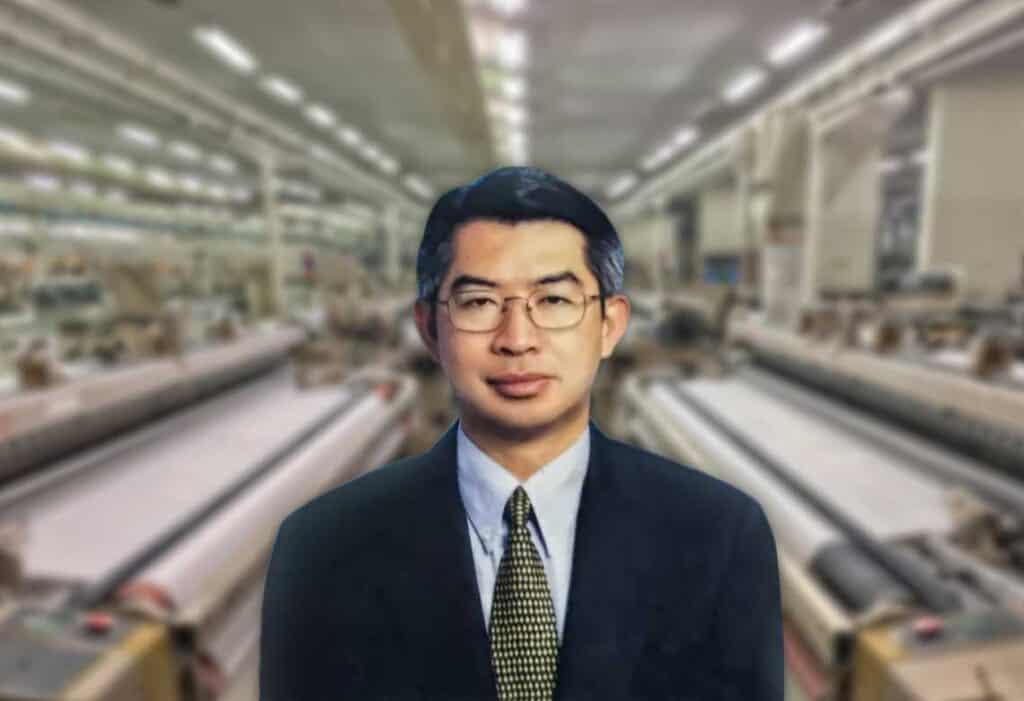
Kangwal Textile Co., Ltd.
Can a country with higher operating costs compete with its lower cost neighbors?
As Thailand’s Kangwal Textile Co., Ltd. has proven, when you are delivering consistent high quality, price is less of an issue.
“Thailand has much higher labor and power costs compared to other competing countries like Vietnam, Indonesia and India. Obviously, we cannot compete with these countries unless our yarns offer more value to customers,” said Niphan Wongphanlert, Managing Director.
The key to Kangwal’s success is “Absolute Consistency in Yarn Quality”.
“Consistency” means meeting three criteria:
- Consistency in measurable yarn quality parameters such as Uster evenness, imperfections, yarn strength, yarn faults and so forth
- Consistency in downstream performance with fewer machine stops and waste guaranteeing high machine and labor productivities
- Consistency in fabric quality in terms of uniformity of dyeing and defect-free fabrics
The key to Kangwal Textile’s success is “Absolute Consistency in Yarn Quality”.
- Niphan Wongphanlert, Managing Director

“Our yarn is exported to countries with much higher operational costs. In most cases, the fabrics produced are directly sent for further processing without inspection. Any quality issues with the fabrics will be noticed only at the garment stage, by which time the financial claims will be very high and our reputation will be at stake. Hence, there is no room for errors,” said Mr. Wongphanlert.
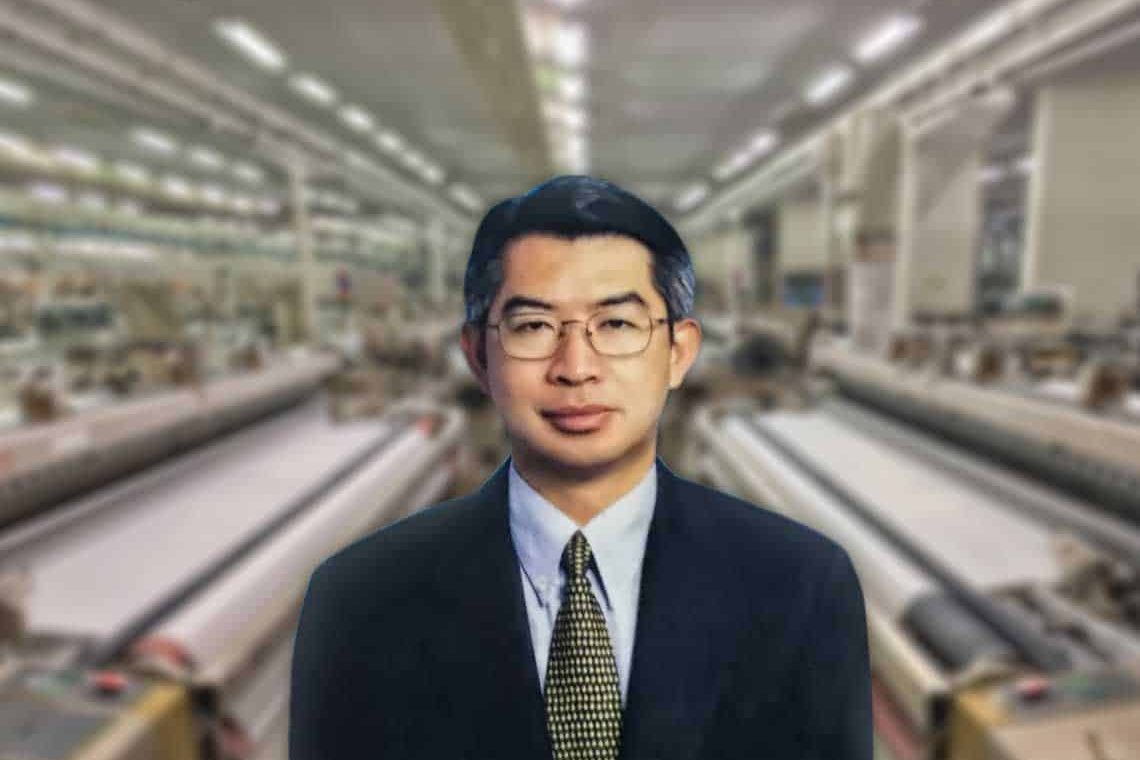
Modest Beginnings to a Mighty Company
Kangwal started out in 1955 as a modest family-owed fabric dyeing business.
Over the years it began integrating backwards and in 1971 Kangwal Weaving Company was established.
In 1984, Kangwal Textile Company was founded with 15,000 spindles to supply yarn to Thailand’s growing textile industry.
The company expanded steadily in spinning and weaving by importing modern textile machinery to produce high quality products for its export markets.
Kangwal has grown to become the largest spinning mill in Thailand with 350,000 ring spindles and 6,900 open-end rotors – and a capacity of 7,000 tons per month. The weaving plant has 254 air-jet weaving machines producing 3 million yards of grey fabrics per month.
“We have expanded our capacity gradually, said Mr. Wongphanlert.
At the same time, Thailand’s total spinning capacity has been going down from 4.5 million spindles to 1.5 million spindles now.
The company has survived many economic cycles during its 65 year history and attributes its on going success to its commitment to producing “high quality products at all times.”

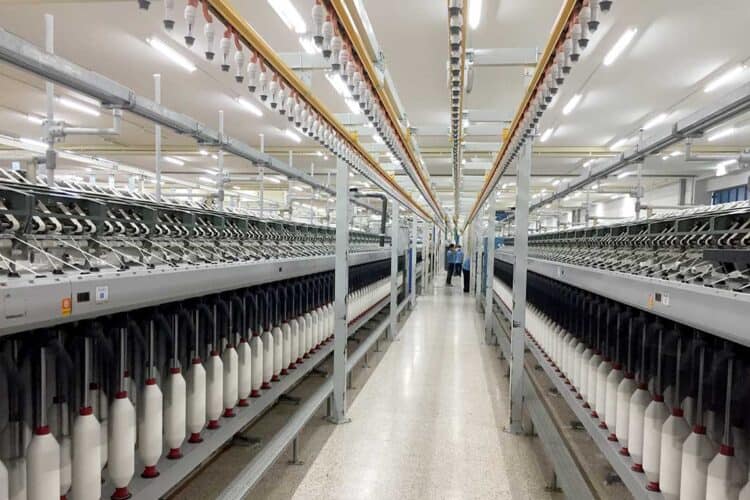
The Secret to Achieving Consistent Quality
Currently, Kangwal’s business is focused on mass production of high-quality knitting and weaving yarns for global markets.
The efficient operation of the company’s mills makes it possible to achieve this level of quality, while offering very competitive prices.
“We are able to maintain our level of consistency throughout the year by choosing the right raw materials. We also have invested in upgrading of machinery, training our technical staff and regular training of operators,” said Mr. Wongphanlert.
“About 25 years ago, we switched to using 100% U.S. cotton, primarily to address the problem of foreign fiber contamination in our cotton yarn,” said Mr. Wongphanlert.
“Even using the best foreign matter removal machines in our Blow room and additional manpower to pick foreign matter from the cotton bales we sourced from other countries, we could not satisfy our customers.
“Our trials with the use of 100% U.S. cotton was an instant success and eliminated those contamination issues in our yarns,” he said.
Over the years, Kangwal has visited several U.S. cotton farms, cotton gins, USDA cotton testing laboratories, as well as Cotton Incorporated’s Cary headquarters, and learnt more about U.S. cotton farming, ginning, classing and grading system.
“Our trials with using 100% U.S. cotton were an instant success and eliminated contamination issues in our yarns."
- Niphan Wongphanlert, Managing Director
One of the major prerequisites to maintaining high quality yarns in terms of good yarn strength and lower yarn faults is to ensure consistency in fiber quality between bale laydowns in the blow room over days and months.
“Every U.S. cotton bale is tested and graded according to its fiber quality characteristics. This enables us to buy cotton bales that meet our quality requirements. By using Cotton Incorporated’s ENGINEERED FIBER SELECTION® (EFS®) for bale laydown management, we can minimise quality variations between cotton bale laydowns.
“Easy availability of Green Card quality data for bales with cotton contracts helps us negotiate better prices and segregate bales for use in different products such as 100% cotton ring yarns, 100% cotton open-end yarns and cotton/polyester blends, thereby reducing our production cost,” said Mr. Wongphanlert.
“We are probably the largest buyer of U.S. cotton now in Thailand,” he noted.
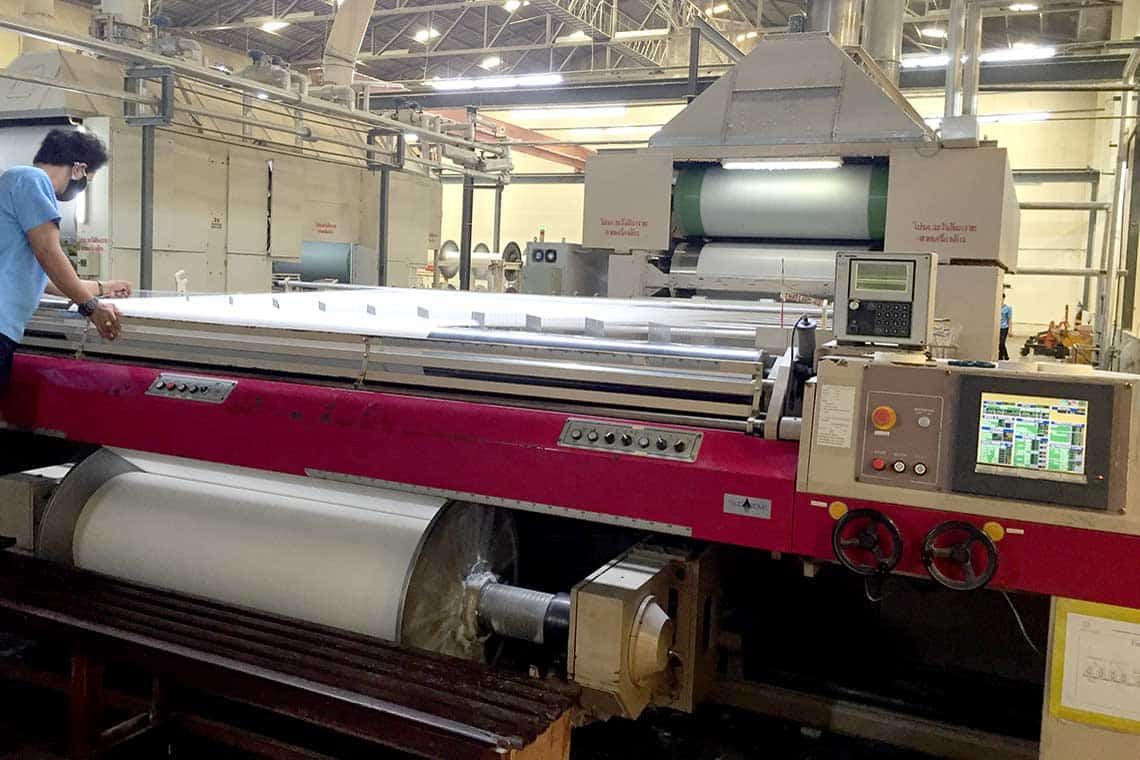
R&D Driven Excellence
Kangwal has a strong Research and Development department. It works on optimising cotton mixing quality parameters so that we can guarantee the same dye absorption for yarns shipped over a period of many months. This helps customers avoid the hassle of sample dyeing swatches for every container and reduces lead times for the delivery of their products.
The company also strives to reduce production costs by improving its machines and labor productivity to meet global standards, without compromising quality and while also saving energy.
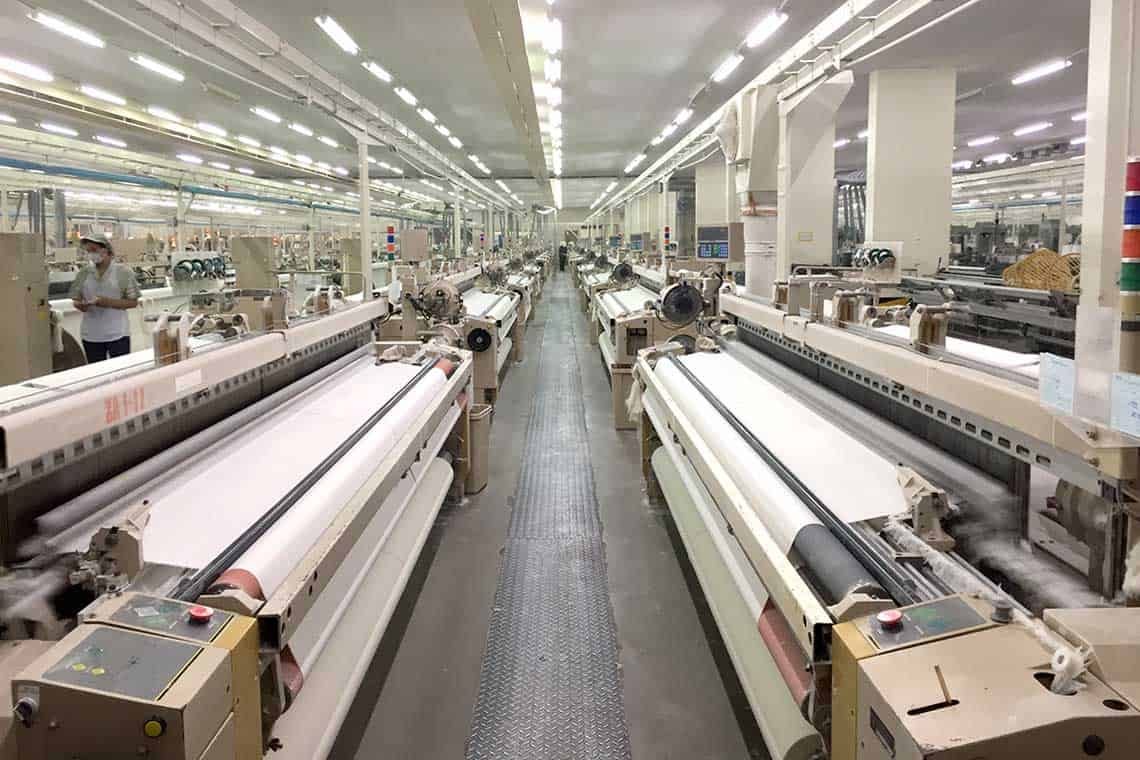
How Compact Yarn Has Become Mainstream
“In our opinion, compact spinning technology has come a long way from being a niche market segment to developing into a mass production segment. The investment costs have come down and the technology has matured.
“This has created an opportunity to reduce production costs and further improve the quality of the yarn,” said Mr. Wongphanlert.
In particular, Kangwal is looking to explore this technology by running trials with various products in its spinning and weaving operations. The company intends to promote cotton and cotton blended compact yarns to customers who want to achieve low pilling or hairless fabrics.
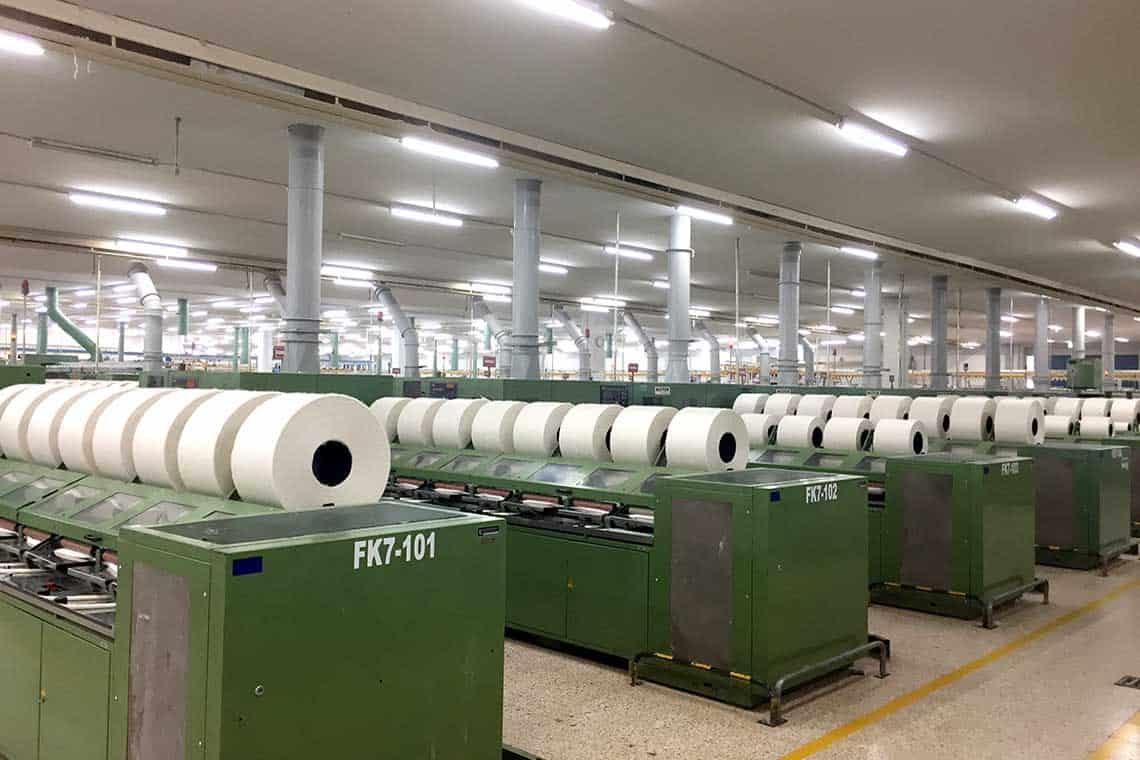
Uncompromising Commitment to Quality
“Kangwal company’s logo is “LOCK”. Right from beginning all our products have been sold under the “LOCK” brandname. LOCK signifies the trust and long-term business relationship with our customers. It also means confidence and reliability of our products,” said Mr. Wongphanlert.
Learn More www.kangwal.co.th
The COTTON USA Advantage
- Family growers who are committed to working their fields sustainably and leaving them better for future generations.
- A long history of innovative harvesting and ginning technologies resulting in higher-quality cotton.
- One of the highest rates of adoption in the world for Precision Agriculture, which minimizes water and pesticide usage.
- U.S. farmers operate under voluminous, stringent, and enforceable regulations.
- A commitment to transparent partnership that is unmatched anywhere.
- One of the most comprehensive systems for monitoring and measuring all the key metrics involved in sustainability.
U.S. Cotton Facts
- 2/3 of U.S. cotton land uses only rain water
- U.S. cotton water use efficiency has improved by 82% over the past 35 years
- Cotton is carbon footprint neutral, meaning the plants remove more greenhouse gasses than production produces.
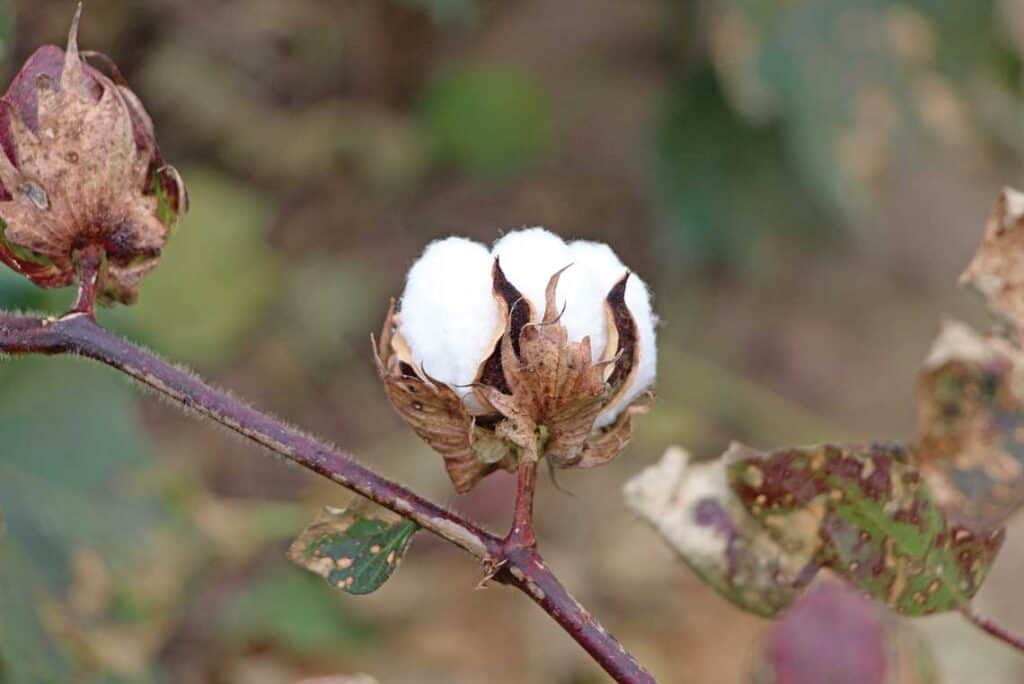
Sustainability Goals
The U.S. cotton industry is building upon the strong environmental gains already achieved over the past 35 years. The aim is to help members meet their current needs while making the world a better place for future generations.
Specific goals include:
- Reducing by 13 percent the amount of land needed to produce a pound of cotton fiber
- Reducing soil loss by 50 percent, in balance with new soil formation
- Increasing water use efficiency (more fiber per gallon) by 18 percent
- Reducing greenhouse gas emissions by 39 percent
- Increasing soil carbon in fields by 30 percent
- Reducing energy to produce seed cotton and ginned lint by 15 percent

Learn More www.cotton.org