A US Cotton Trust Protocol certified supplier. Learn more
Many companies talk about sustainability. Grandtex has made it a core focus – starting with an investment in materials that are sustainable and traceable.
Sustainability is one of the biggest asks from brands, buyers and consumers. Delivering on that – while also offering apparel that is fashionable and meets mainstream price points – is a lot easier said than done.
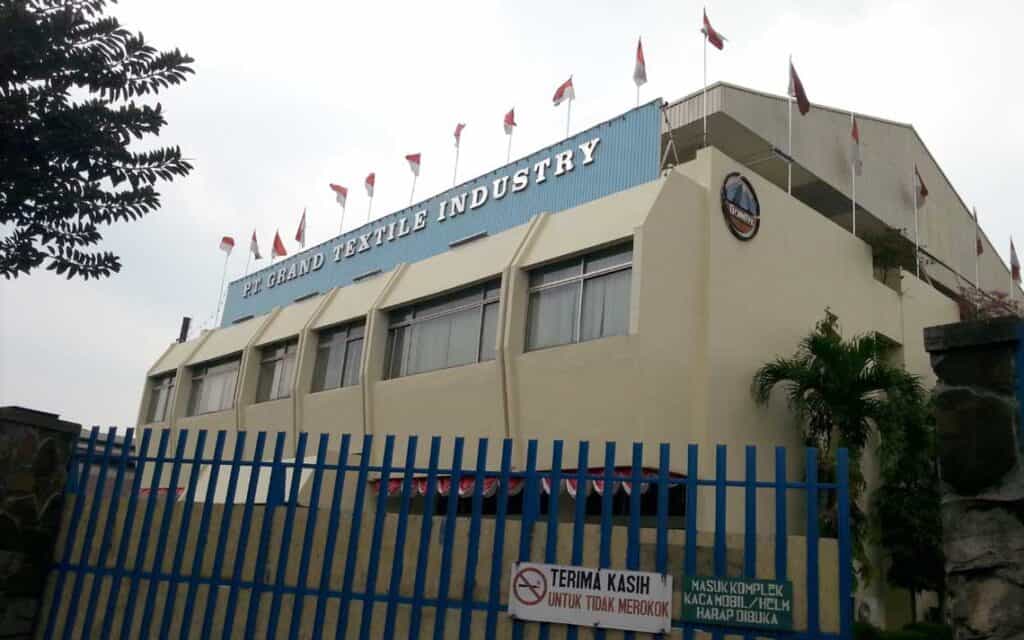
One company that is offering products that meet these demands is PT Grandtex. With four decades of producing high quality textiles, this Indonesian denim mill has now turned its attention to making sustainable fabrics that continue to exceed the expectations of its customers.
Grandtex carries a complete range of 100 percent U.S. cotton and cotton blend products from lightweight shirting to heavy bottom weights denim.
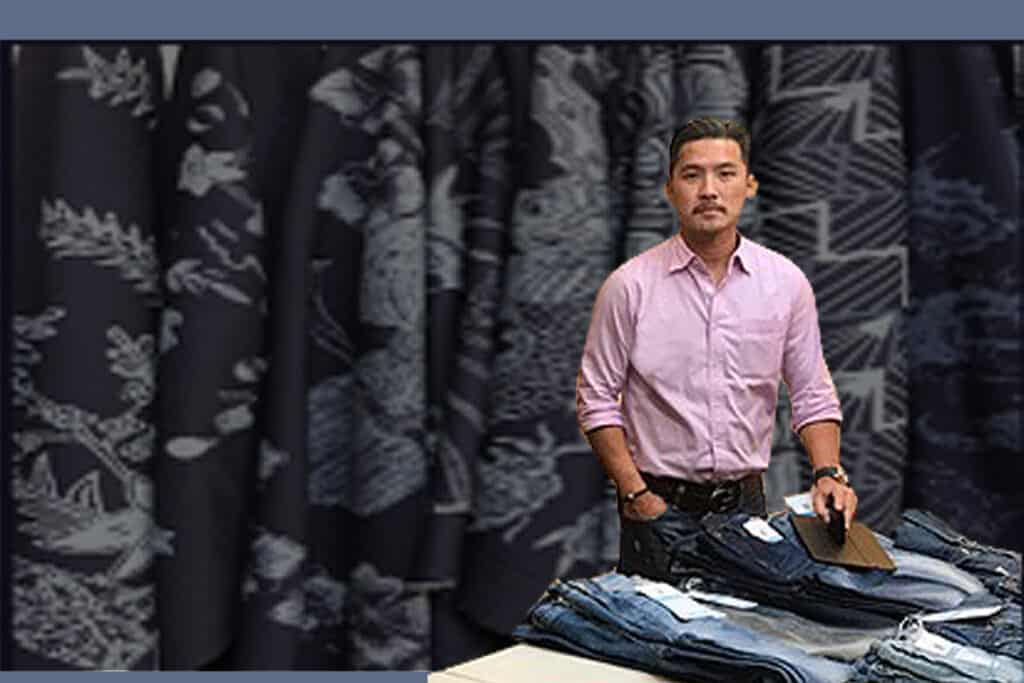
“The stability and consistency of the quality throughout the integrated process in our company has always been the key for Grandtex to lead in the global export markets. Our facilities are supported by a strong R&D team and alliances with the environmental friendly brands who serve diversified markets. It’s really encouraged us to always push further ahead from other mills,” said Albert Tjandra, Director.
“Our goal is not to grow our volume. It is to grow our quality,”
Albert Tjandra, Director

Grandtex started in 1971 as a cotton yarn spinner and in 1974 began weaving denim fabric. Between 2005 and 2010, they developed more novelty and lightweight denims and then moved into making stretch denim in 2012. By 2015, Grandtex had added laser technology. In 2018, the company started to focus on sustainability and is continuing to invest in this.
This year Grandtex is relocating part of its capacity from Bandung to a less populated area in Central Java. This new facility will have completely eco-friendly processes throughout the production. Grandtex will continue its commitment to using green materials, for example, like U.S. cotton. They will also explore more biological waste management systems and greater green energy utilization in the new location.
The new facility will also be closer to garment maker Argo Manunggal Triatsa, which is part of the Argo Manunggal Group.
Currently, Grandtex has a capacity of 1.5 million yards per month in its Bandung facility. They will be moving about 0.5 million yards of that capacity to the new facility in Central Java, and then expanding to reach 1 million yards per month at the new location.
“Our goal is not to grow our volume. It is to grow our quality,” said Mr. Tjandra.
“We cannot depend on basic products anymore. We have to find ways to differentiate what we offer so that we can stand out in the market,” he added.
Sustainability Starts Here
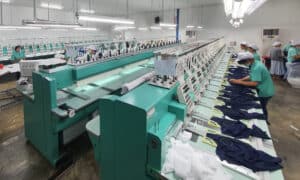
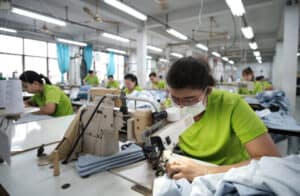
Because Grandtex is a vertically integrated operation, they have full control and total transparency of their entire supply chain. That’s a critical advantage at a time when buyers are losing sleep over potential supply risks due to lack of transparency and traceability.
The supply chain for apparel and textiles is so complicated, and can be diversified over so many different regions, achieving a high level of transparency can be very difficult. By having the entire textile producing process within a single company you eliminate those ‘gray areas’ where part of your supply chain is out of your complete control.
Grandtex sees sustainable products as game changers for the future. The current investment in greater sustainability will play a key role in ensuring a robust future for the global community, as well as for individual companies.
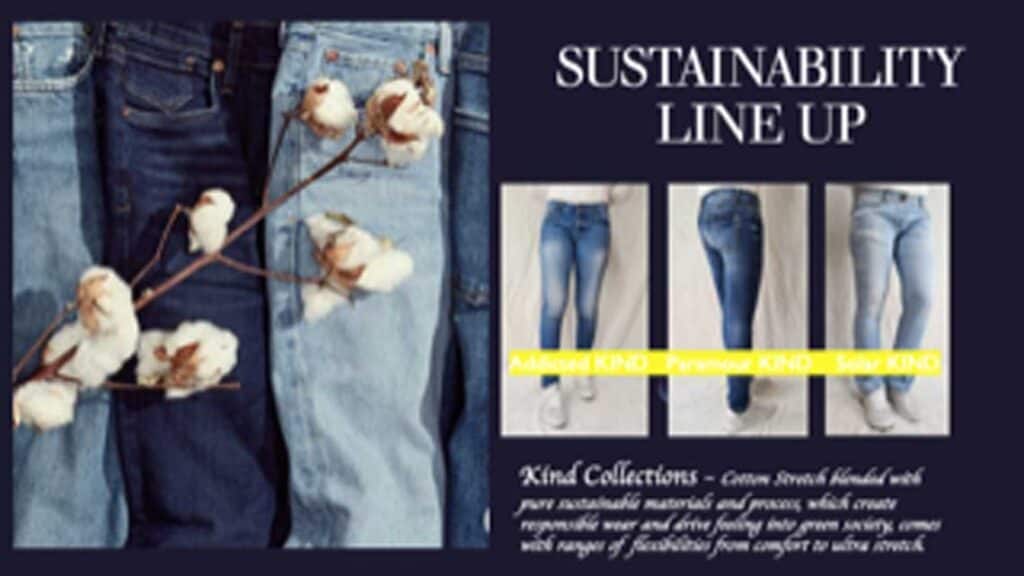
“We call our commitment to sustainability ‘Project Kind’, which is our responsibility as a company that drives continuous improvement to meet sustainability metrics. We call it ‘kind’ because it comes from the heart.
“Starting from the green materials we use, our eco friendly processes and also our responsible waste management systems, our goal is to reduce the global footprint of anything that could harm the environment,” said Mr. Tjandra.
Grandtex also offers fabric that is made from recycled indigo yarn wastage.
“We even buy materials on a sustainability-first basis, rather than a cost-first basis. It costs us more, but we are able to save even more in terms of reducing our environmental impact,” he added.
In 2021 Grandtex collaborated with a local Indonesia denim apparel manufacturer who launched a collection called ‘Kind Denim’.
“They are the first Indonesian brand that has adopted sustainable practices from materials through all of its production processes. Most other brands put the commercial aspects of the business first. But finally we have a local Indonesian company that is putting their responsibility to protect the environment first,” he said.
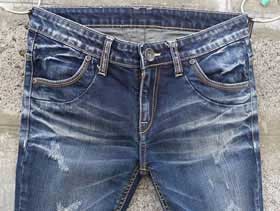
Better Quality Cotton for Better Quality Denim
Grandtex’s denim is not just sustainable, it’s also top in terms of quality.
“For 40 plus years we’ve chosen to buy U.S. cotton. This is because of the consistency of the quality. The U.S. supplies a very clean cotton through a very strong grading process. So basically, the indigo dye when applied to U.S. cotton yarn will create such a nice shade of denim fabric. The deepness of blue is much richer when the cotton is free of contamination, which is what we found when we use U.S. cotton, said Mr. Tjandra.
Typically there’s more concern about contamination when working with white or light pastel fabrics, however even heavier weight, dark color fabrics like denim can look noticeably better through using better quality cotton.
“The thing that we like best about U.S. cotton is there will be uniformity and lack of contamination. Each bale of cotton has consistent quality. The traceability also is very clear. You can see through the bale numbers to identify what cotton you have in the bale, even before it has arrived in your facility – so we know exactly what is inside.
“It helps us to make the product and company more successful because we experience less downtime and so the efficiency of our production is increased. We can also reduce the waste and rejections in the process. So we are getting more productivity and are able to produce superior quality yarns and fabrics,” he said.
Fabric You Can Trust
In 2020 U.S. cotton launched the US Cotton Trust Protocol, which takes its commitment to providing cotton that is sustainably grown and traceable one step further.
“With the US Cotton Trust Protocol we can comfortably give buyers the critical assurance that brands need to show that the cotton fiber in their supply chain is sustainably grown, with lower environmental impact.
“The US Cotton Trust Protocol will provide us with clarity and also full traceability from the farm. So it will help us in achieving science-based sustainability targets as well. So that actually helps us a lot,” said Mr. Tjandra.
Having science based-sustainability targets helps gain that all-important credibility with brands, and helps them build trust with the consumer.
“Here in Indonesia, the younger generation doesn’t care that much about fashion brands. What matters to them is what the garment is made of. Are the materials sustainable? Does the manufacturing process reduce carbon emissions or make them worse? What about waste? So the U.S. Cotton Trust Protocol really matters a lot,” he said.
“We are really appreciate having Cotton Council International (CCI) as a valuable partner. As a Cotton USA licensee we get a lot of important market information and technical support. They help us to build our relationship with brands and retailers, as well as supporting our sustainability goals,” said Mr. Tjandra.
Learn More www.grandtex.co.id
The COTTON USA Advantage
- Family growers who are committed to working their fields sustainably and leaving them better for future generations.
- A long history of innovative harvesting and ginning technologies resulting in higher-quality cotton.
- One of the highest rates of adoption in the world for Precision Agriculture, which minimizes water and pesticide usage.
- U.S. farmers operate under voluminous, stringent, and enforceable regulations.
- A commitment to transparent partnership that is unmatched anywhere.
- One of the most comprehensive systems for monitoring and measuring all the key metrics involved in sustainability.
U.S. Cotton Facts
- 2/3 of U.S. cotton land uses only rain water
- U.S. cotton water use efficiency has improved by 82% over the past 35 years
- Cotton is carbon footprint neutral, meaning the plants remove more greenhouse gasses than production produces.
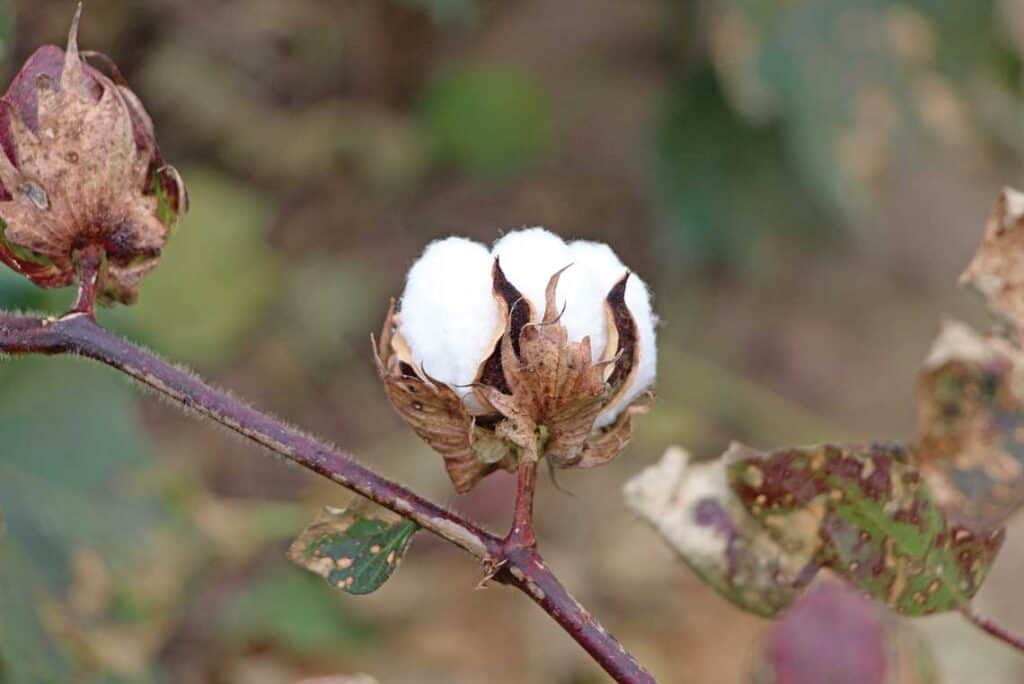
Sustainability Goals
The U.S. cotton industry is building upon the strong environmental gains already achieved over the past 35 years. The aim is to help members meet their current needs while making the world a better place for future generations.
Specific goals include:
- Reducing by 13 percent the amount of land needed to produce a pound of cotton fiber
- Reducing soil loss by 50 percent, in balance with new soil formation
- Increasing water use efficiency (more fiber per gallon) by 18 percent
- Reducing greenhouse gas emissions by 39 percent
- Increasing soil carbon in fields by 30 percent
- Reducing energy to produce seed cotton and ginned lint by 15 percent

Learn More www.cotton.org
Certified Sustainable
The Trust Protocol is aligned with existing sustainability programs including the U.N. Sustainable Development Goals. It brings quantifiable and verifiable goals and measurement to sustainable cotton production, and drives continuous improvement in six key sustainability metrics – land use, soil carbon, water management, soil loss, greenhouse gas emissions, and energy efficiency. The Trust Protocol is designed from the ground up to address the unique regulatory and larger farm growing environment in the United States.
How the Trust Protocol Works
Through a combination of a unique credit accounting system and the Permanent Bale Identification (PBI) system, the Trust Protocol helps ensure the commitments behind our cotton. Each of the Trust Protocol credits are backed by real sustainability data and third-party verified.
Measures and Verifies Sustainability Commitments
The Trust Protocol enables brands and retailers to better track the cotton entering their supply chain and to further quantify and report on their individual sustainability goals and objectives.
Continuous Improvement in the Fields
The 16,000 cotton farms in the United States have been committed to continuous improvement for decades. Over the past 35 years, U.S. cotton production has used 79% less water per bale and 54% less energy. We have reduced greenhouse gas emissions by 40%, and land use per bale by 49%. We need to continue to innovate and introduce new practices that will serve to further position U.S. cotton as one of the most sustainable cotton growing nations in the world.

Learn More https://trustuscotton.org/about/