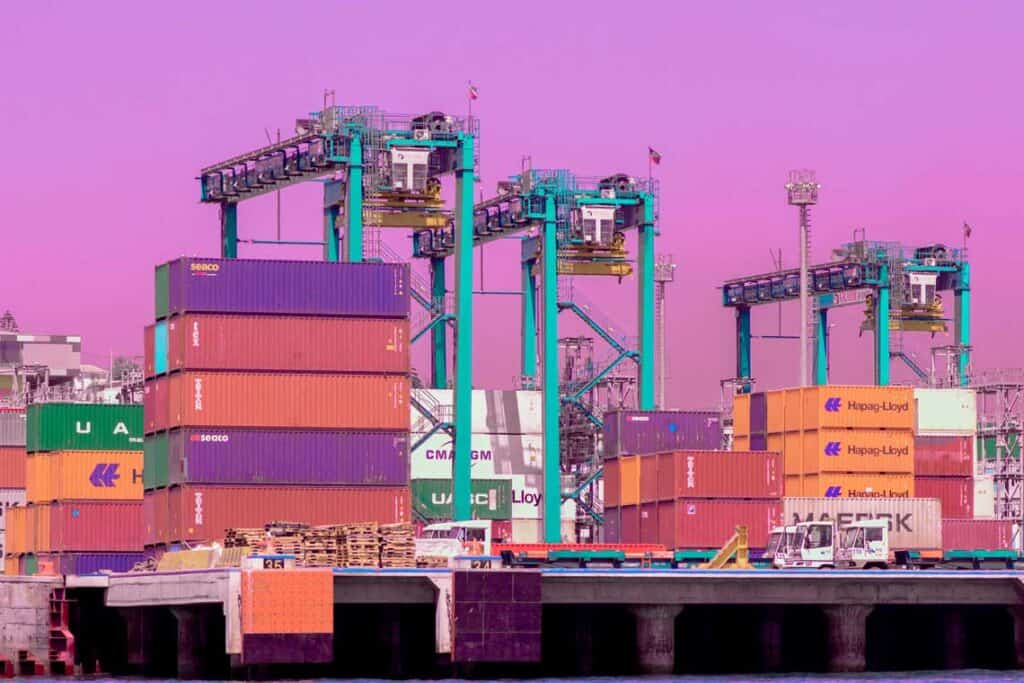
Fed up with astronomical freight rates and inability to secure containers - even at those rates - a growing number of brands are starting to look for alternative ways to get goods from Asia to the US and Europe. No one is blaming the carriers, clearly they are the victims of unprecedented trade imbalances brought on by the pandemic. Still, for both ocean and air freight companies the pain of the current equipment shortage has the silver lining of surging profits. For brands, it’s just bad news all around. Few dare to pass on costs to consumers and yet the options for offsetting crazy high shipping costs are few and far between. And then there’s loss of revenue from being out of stock on a growing number of items. Typical supply chain management strategies are not working under conditions where transit times could be delayed by weeks - and no one knows by how many weeks. The pressure is intensifying as retailers head into peak season. <h3><b>Enough is Enough!</b></h3> After toughing out the situation for nearly a year, brands realize that they need to take action. For some, it means placing orders closer to home. However that option is not available for all brands or all products. So a new strategy is to steal a page from Amazon’s playbook - and develop your own logistics system (albeit on a much smaller scale). However, having its own fleet is keeping Amazon ahead of the market - both in terms of receiving inventory and delivering to customers. While no one is setting up their own logistics operations on the scale of Amazon or JD.com, chartering planes and now ships shows that desperate times call for desperate measures. As a sign of how expensive and desperate the current situation has become for even large importers, Home Depot (USA) has chartered its own dedicated container ship to ensure inventory keeps moving as peak season approaches, the company said in an interview with CNBC, discussing how it planned to survive the upcoming holiday season. “We have a ship that’s solely going to be ours and it’s just going to go back and forth - 100% dedicated to Home Depot,” President and Chief Operating Officer of Home Depot, Ted Decker said. <h3><b>The Impact of Rising Freight Costs</b></h3> Brands selling bulky, low value products are feeling the most pressure from soaring freight rates. A recent report by analysts Sea Intelligence highlighted that for assembled furniture the freight rate now accounts for up to 62% of the retail value of the goods, while for large appliances now command a spot rate up to 41% of the cargo value, and for small appliances the freight accounts for up to 27% of the retail value. For apparel, freight can now account for up to 17% of the retail value. Current conditions on the trans-Pacific routes, with strong demand and severe capacity shortages leading to hyper-charged freight rates, are temporary, but the question is: <em>How temporary?</em> At present, the consensus is that we won’t see any significant easing until early 2022. Which might mean that Home Depot will be joined by other chartered container ships in the coming months - assuming brands can secure them.