Decoding the New Section 301 Tariff Rules
New tariffs introduce a complex web of country-specific exemptions and HTS classifications that could significantly increase compliance work for sourcing

TARIFF TRACKING
/ Zero-duty access creates opportunity, but quotas, US-input requirements and compliance risks will shape who benefits.
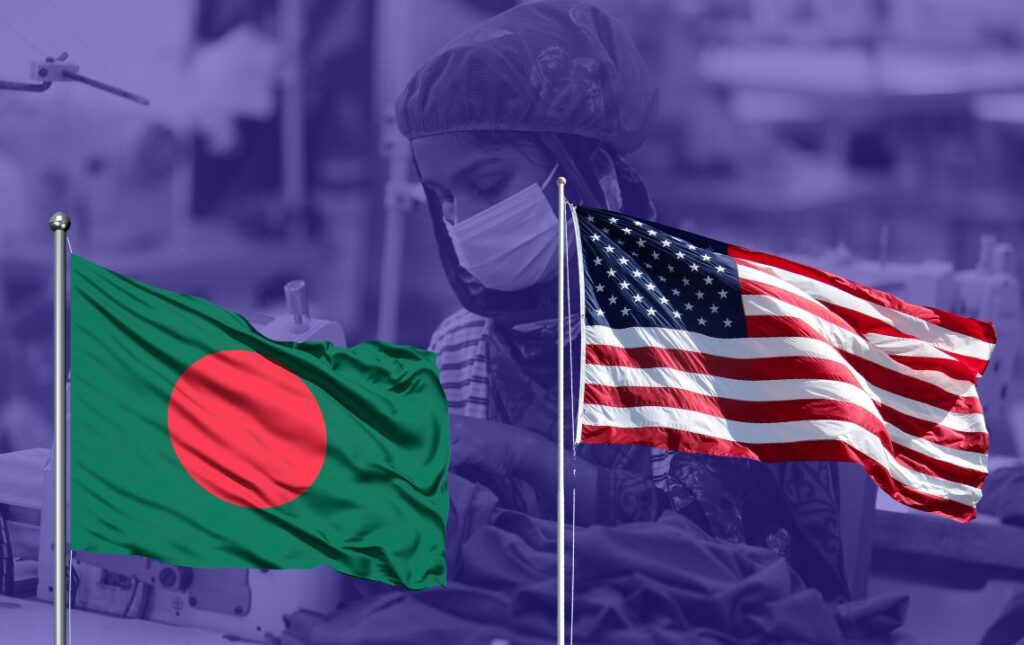
Bangladesh apparel exports have achieved what many thought was impossible – duty-free entry to the US.
Earlier this month Washington shaved 1% off the reciprocal tariffs on Bangladesh imports, but cut them to zero, if the garments are made using materials imported from the US.
The trade deal is a big win for both Bangladesh and US brands.
However taking a closer look at the terms of the deal, there are qualifying conditions that need to be met – and meeting them could be challenging.
To continue reading, please login
Related articles

New tariffs introduce a complex web of country-specific exemptions and HTS classifications that could significantly increase compliance work for sourcing


Section 301 tariffs threaten to add one more layer of complexity to an already complex trade environment.

Proposed Section 301 tariffs targeting 60 countries could reshape sourcing economics across many of the apparel industry’s largest production hubs.

Insights & Analysis