A US Cotton Trust Protocol certified supplier. Learn more
One of the biggest asks from buyers is for shorter lead times. Even before the pandemic, there was a move towards smaller orders placed closer to the season.
The pandemic made even the boldest brands become more cautious. The goal is to keep inventory levels high enough to fulfill orders and stock the selling floors – but low enough to avoid heavy markdowns.
A key factor affecting the speed of one’s supply chain is the availability of the fabric. From a sourcing point of view, whoever has the fabric supply wins. The supplier with a vertically integrated operation can win big because they have the advantage of speed and flexibility.
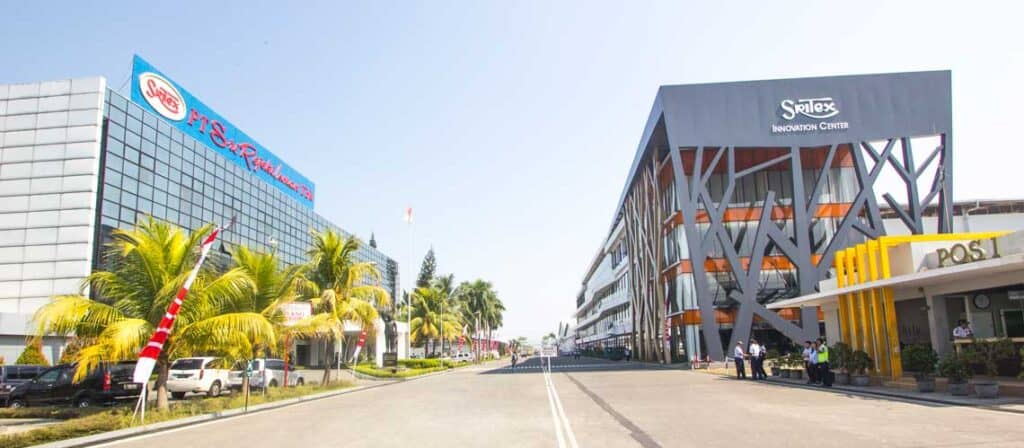
For Indonesia’s Sritex Group, being able to go from yarn spinning to finished garments has made them a favorite supplier for many of the world’s leading brands.
“Fashion has very tight lead times so the fact that we don’t need to lose time transporting the fabric enables us to meet production targets,” said Iwan Setiawan Lukminto, President Director.
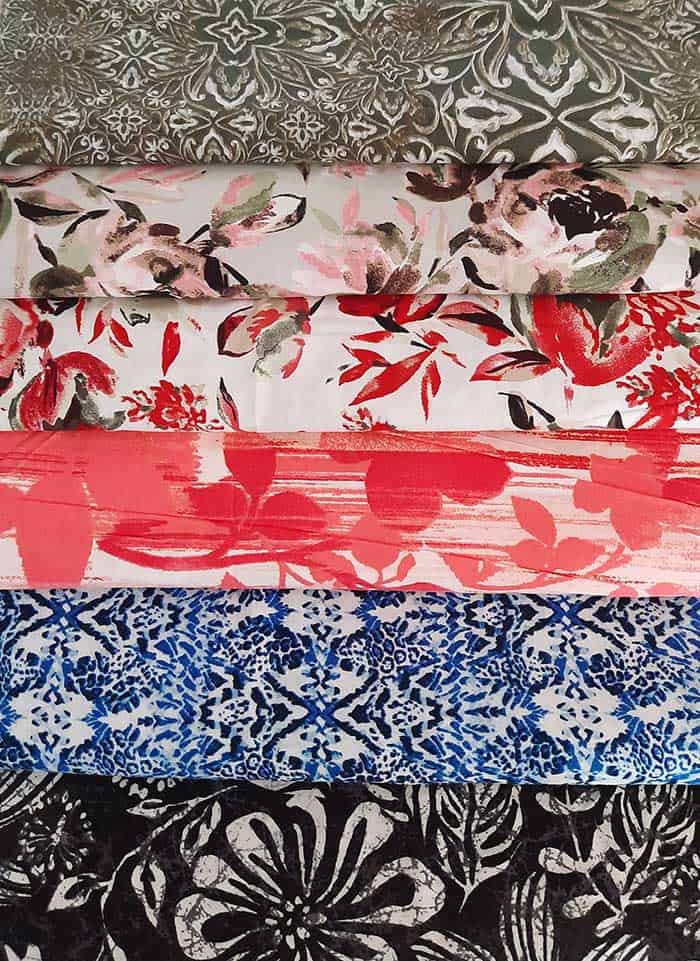
Sritex produces a wide variety of fabric including cotton, rayon, polyester, polyamide and their blends making it a ‘one stop shop’ for buyers. They have regular production of many of their fabrics so that also shortens lead times.
The company has 1.8 million spindles and produces 33,000 tons of yarn each month. They supply both international markets, as well as Indonesia’s growing domestic market.
"It's faster and more cost efficient to have suppliers who offer the entire production process under one roof."
A Collaborative Approach
Sritex has invested in building its own R&D center where it continually works on new fabric developments.
“We work with our customers and provide solutions for them. They will tell us their target price and level of quality and we will try to find a way to meet that,” said Mr. Lukminto.
“However, I think the fact that we can offer them the entire production process under one roof is really important. Especially these days when logistics are very complicated, it’s a lot easier and more cost efficient to have suppliers who offer integrated production,” he added.
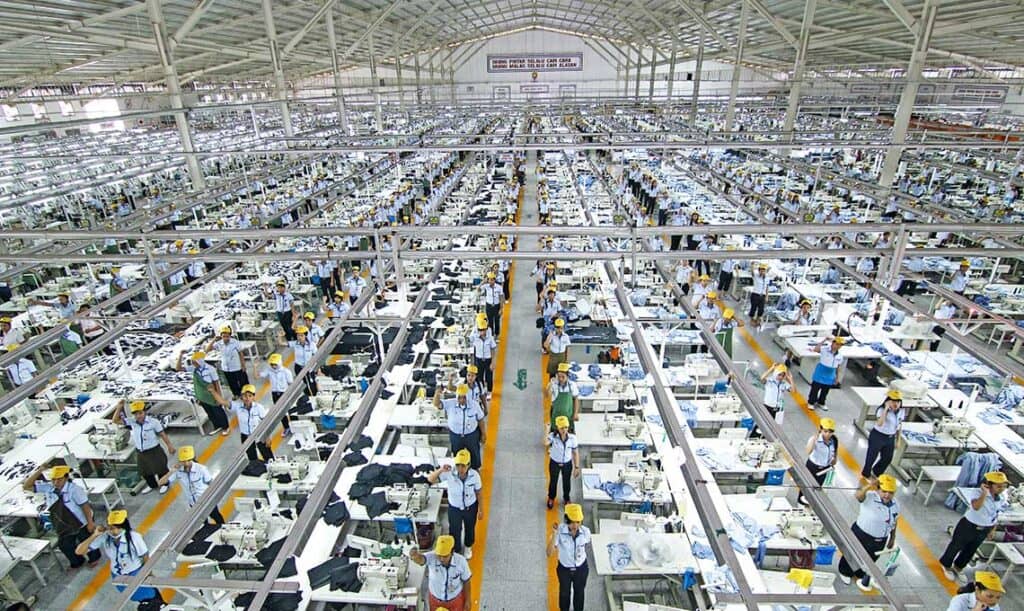
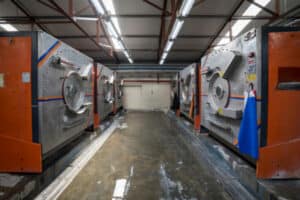
Sritex's fully vertical manufacturing capabilities saves time and provides better transparency.
Experts at Providing Excellence
As a supplier of uniforms to military units around the world, Sritex is used to having to meet incredibly strict standards for quality.
“Military uniforms have very high specification standards – in terms of tensile strength so they don’t tear easily, color fastness, the quality of the chemicals – so everything we do is at the highest European standard. We use Supima cotton because the strength is very good and the quality is high,” said Mr. Lukminto.
Through their work manufacturing military uniforms, Sritex has also gained experience in developing mosquito repellent and fire retardant fabrics.
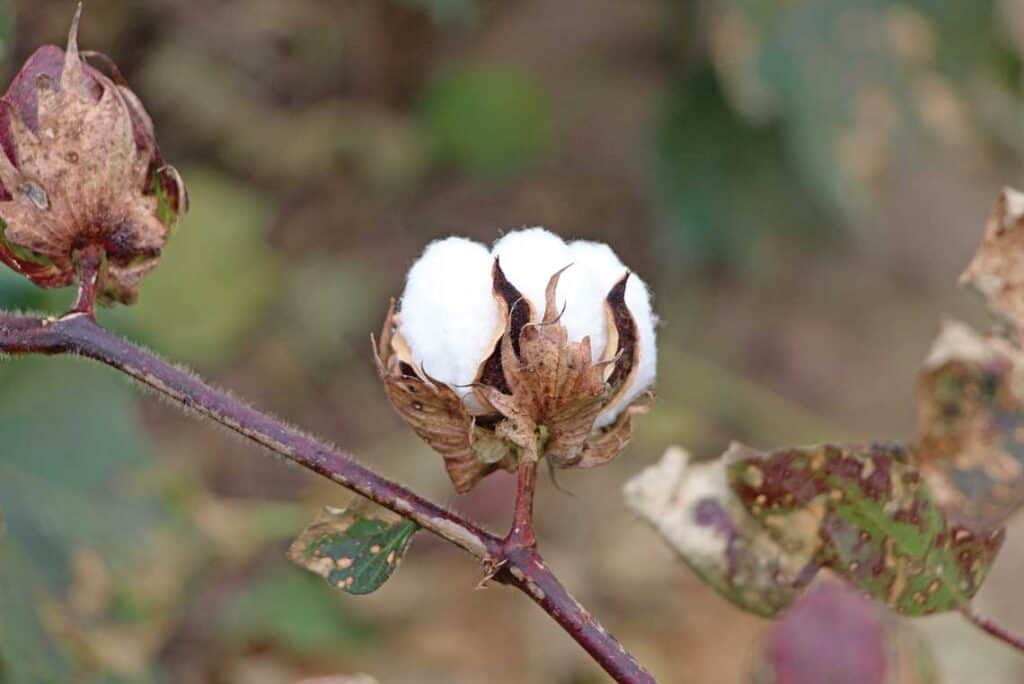
High quality cotton fabrics that are sustainable and traceable.
Garments made to precise military specifications.
The Right Cotton at The Right Time
One of the many lessons from 2020 was the importance of having a secure supply chain – especially at the raw materials end.
“We’ve been buying U.S. cotton for many years because it has the largest supply. We feel confident about the volume of the supply. Also, U.S. cotton is very good quality with very little contamination. Our goal is to have a fully integrated system for production from yarn to garments so the availability of a reliable supply of good quality cotton is very important,” said Mr. Lukminto.
“We’re now working to improve the logistics of getting the raw cotton from the U.S. to Indonesia. We want to shorten the time that mills have to wait for cotton to arrive from the U.S.,” he said.
The way that they are doing this is through bonded warehouses in Central Java. U.S. growers are able to ship the cotton to Indonesia where it is held in bonded warehouses. Mills can purchase the cotton directly from these warehouses – at current market prices. It also helps to reduce the speculation on cotton prices.
Although the bonded warehouses are operated by the Sritex Group, other Indonesia mills can also buy cotton from these warehouses.
“We are creating a cotton spinning ‘ecosystem’ in Central Java. Everyone in the area will benefit from this, not only our company,” he said.
“We’ve been an integrated company since 1990. My father’s policy always is ‘if you don’t have the raw material in your hands, then you cannot win in this business’. Logistics is key, you don’t realize how much costs there are in having to follow up an order when the materials and garment making are not in the same place,” said Mr. Lukminto.
“Because we have the raw materials here, we can make an order – from fabric to finished garment – in as little as three weeks,” he added.
Iwan Setiawan Lukminto, President Director at Sritex Group
Being More Sustainable Through Process Integration
Another not-so-obvious benefit of being vertically integrated is that Sritex is able to reduce its use of water, energy and chemicals. It also helps to reduce manufacturing mistakes. All this supports more sustainable manufacturing.
“I really support the new U.S. Cotton Trust Protocol because I think it provides strong communication between the grower and the retailer,” said Mr. Lukminto.
“We have a high quality mindset. We like to know where the cotton is coming from, and also that the color is good. Our cotton selection has to be perfect,” he said.
Vertical integration saves on time and costs.
What’s Next
The growing demand for yarn has Sritex Group planning future expansion of adding 500,000 spindles.
Sritex Group is also looking at expanding its garment manufacturing, finishing and weaving.
“Retailers want suppliers who are integrated so we are aiming to expand our facilities to meet their needs,” said Mr. Lukminto.
Family growers who are committed to working their fields sustainably and leaving them better for future generations.
A long history of innovative harvesting and ginning technologies resulting in higher-quality cotton.
One of the highest rates of adoption in the world for Precision Agriculture, which minimizes water and pesticide usage.
U.S. farmers operate under voluminous, stringent, and enforceable regulations.
A commitment to transparent partnership that is unmatched anywhere.
One of the most comprehensive systems for monitoring and measuring all the key metrics involved in sustainability.
U.S. Cotton Facts
2/3 of U.S. cotton land uses only rain water
U.S. cotton water use efficiency has improved by 82% over the past 35 years
Cotton is carbon footprint neutral, meaning the plants remove more greenhouse gasses than production produces.
Sustainability Goals
The U.S. cotton industry is building upon the strong environmental gains already achieved over the past 35 years. The aim is to help members meet their current needs while making the world a better place for future generations.
Specific goals include:
Reducing by 13 percent the amount of land needed to produce a pound of cotton fiber
Reducing soil loss by 50 percent, in balance with new soil formation
Increasing water use efficiency (more fiber per gallon) by 18 percent
Reducing greenhouse gas emissions by 39 percent
Increasing soil carbon in fields by 30 percent
Reducing energy to produce seed cotton and ginned lint by 15 percent
The Trust Protocol is aligned with existing sustainability programs including the U.N. Sustainable Development Goals. It brings quantifiable and verifiable goals and measurement to sustainable cotton production, and drives continuous improvement in six key sustainability metrics – land use, soil carbon, water management, soil loss, greenhouse gas emissions, and energy efficiency. The Trust Protocol is designed from the ground up to address the unique regulatory and larger farm growing environment in the United States.
How the Trust Protocol Works
Through a combination of a unique credit accounting system and the Permanent Bale Identification (PBI) system, the Trust Protocol helps ensure the commitments behind our cotton. Each of the Trust Protocol credits are backed by real sustainability data and third-party verified.
Measures and Verifies Sustainability Commitments
The Trust Protocol enables brands and retailers to better track the cotton entering their supply chain and to further quantify and report on their individual sustainability goals and objectives.
Continuous Improvement in the Fields
The 16,000 cotton farms in the United States have been committed to continuous improvement for decades. Over the past 35 years, U.S. cotton production has used 79% less water per bale and 54% less energy. We have reduced greenhouse gas emissions by 40%, and land use per bale by 49%. We need to continue to innovate and introduce new practices that will serve to further position U.S. cotton as one of the most sustainable cotton growing nations in the world.