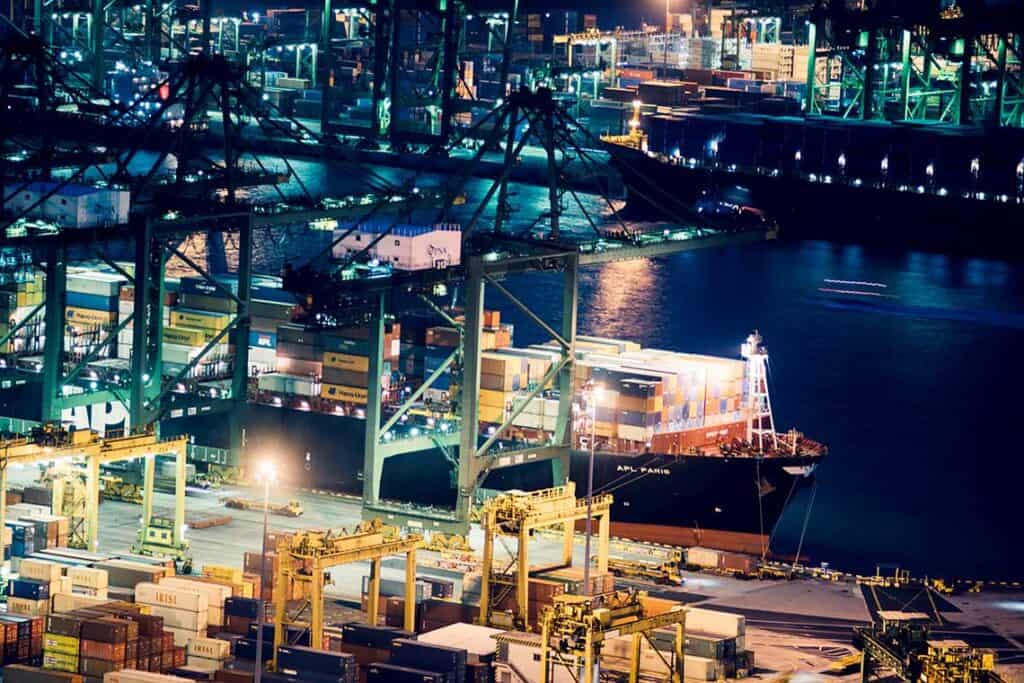
As if retailers and supply chain execs didn’t have enough to worry about, now they are adding logistics logjams to their list of woes.A year ago it was something they barely thought about. Now it’s keeping many of them awake at night.Months of peak volumes from China to the US has led to serious congestion at US ports, delays in returning empty containers to Asia, and equipment shortages. Exporters who continue to face limited space and high rates for ocean and air cargo to the EU have relied on the extensive rail links from China to Europe. Now, surging demand even on these routes is threatening capacity shortages.The equipment shortage, as well as continued strong volumes, are also being felt on Asia-Europe and Asia-Mediterranean lanes, where rates jumped significantly this week. Global schedule reliability plummeted in 2020‑Q3 to 65.0%, which is the lowest global quarterly schedule reliability recorded by Sea‑Intelligence and is lower by a considerable ‑14.6 percentage points year-on-year, said the consultancy report.“Even if you get space, equipment availability may be delayed. This might cause shipment to be delayed for several weeks,” said consultant John Monroe in Container News.“I have never seen a situation such as the one we face with the carriers. No space, no equipment, no service,” he added. I have never seen a situation such as the one we face with the carriers. No space, no equipment, no service Despite still-surging demand, ocean carriers declined to introduce a mid-month rate increase on China-US lanes. This is attributed to Chinese regulators who have discouraged carriers from any further bumps on the already high rates, according to Eytan Buchman at Freightos.However, Asia-Mediterranean prices climbed 12 percent, to $2,714/FEU, a 81 percent annual increase. Asia-North Europe prices climbed 8 percent to $2,443, a multi-year high and 68 percent higher than last year. And rates are expected to keep climbing as some carriers cancel sailings to prioritize capacity and equipment in other regions. eCommerce sellers are also feeling the effects of the peak season surge, including those using Amazon Fulfillment, with providers reporting delays of up to ten days to schedule delivery to FBA warehouses. More Places with More ProblemsBANGLADESH: Feeder vessels are seeing over 48 hours berthing delay in Colombo and nearly 36 hours in Singapore, lowering the number of possible voyages and raising costs. (JOC)UK retailers are facing a logjam at the country’s biggest container port that could result in product shortages this Christmas. (The Guardian)The combination of a surge in holiday merchandise and 11,000 containers of government-procured PPE are clogging up Felixstowe port.The port handles approximately 40% of all the containers coming into and out of the UK.SOUTH KOREA: The South Korean government has also taken steps to intervene, requesting that carriers add more capacity to its tradelanes where rates are climbing, and discouraging carriers from skipping port calls and allocating equipment to the more lucrative transpacific lanes.AUCKLAND: Maersk advised its customers that the congestion at Ports of Auckland, New Zealand continue to cause significant disruption to our vessel schedules. The carrier said it was experiencing significant vessel delays with waiting times currently up to 12 days. It was also introducing a port surcharge of $215 per TEU.