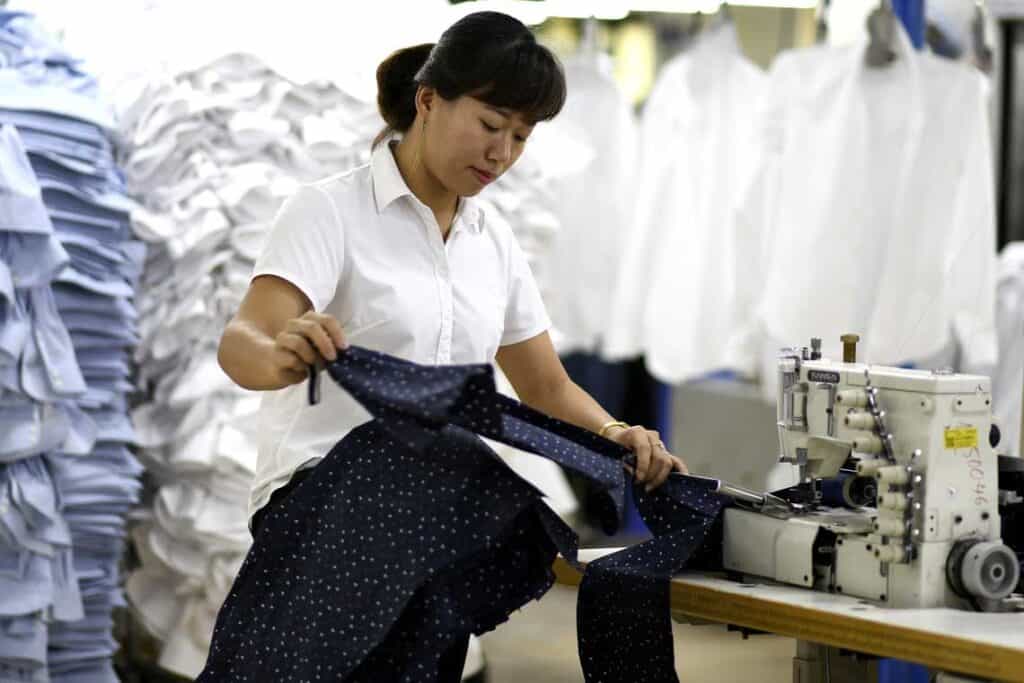
The long awaited free trade agreement between the European Union and Vietnam (EVFTA) was hoped to be boon to both apparel manufacturers and retailers. It turns out that it might not be of much benefit to either. The EVFTA is set to reduce tariffs on many Vietnamese exports to the EU, including apparel. Currently tariffs on apparel are about 11.4% to 12%. Over a seven year period they will be reduced, in stages, to zero. However, to qualify for duty-free status, apparel must meet 'fabric forward' rules. Basically, garments need to use fabric that is made in Vietnam. Despite ongoing inward investment in mills, Vietnam still relies heavily on imported raw materials. Thus most garments don't qualify for duty-free status. <h3><strong>No Real Savings</strong></h3> The bigger problem is that the cost of domestic fabrics can be higher - a lot higher than imported fabrics. For buyers, what matters is the total landed cost of the garment. Many manufacturers are finding that the cost of domestic fabrics makes the final garment too expensive - even if it can claim a lower duty rate. They are better of simply using imported fabrics from China and enjoying the current GSP benefits to the EU. However, as the EVFTA is implemented, GSP will be rescinded. At the same time, manufacturers also struggle to meet other criteria on quality and compliance that are specified in the EVFTA. <h3><strong>Vertical Players Win Big</strong></h3> The biggest beneficiaries will be the vertical operations, that go from spinning or weaving through to finished garments. These companies can better control the cost of the final garment, while also meeting 'fabric forward' rules. Thus they'll have the combined benefits of competitively priced garments and duty-free status.