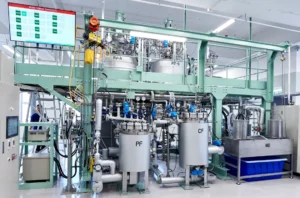
Can Technology Make Circularity Work at Scale?
New technologies, like AI sorting, fiber separation, and automated disassembly, are solving key obstacles so textile recycling can work at
FASHION TECHNOLOGY
/ AI and better product data are turning 3D from a visualization tool into a connected product-development system
For years, the promise of 3D sampling was relatively straightforward: create a realistic digital garment, reduce the number of physical samples and shorten product development.
Now the bigger opportunity is to create a digital version of the product that follows a garment from initial concept through pattern development, fabric selection, fit, supplier collaboration and production approval. That same asset can increasingly be reused for merchandising, e-commerce and other commercial applications.
At the same time, AI is beginning to automate parts of the process, from finding existing blocks and creating first-pass patterns to grading, documentation and approvals.
The result is a significant shift. The 3D file is moving from something attached to the development process toward becoming part of the product definition itself.
To continue reading, please login
Related articles

New technologies, like AI sorting, fiber separation, and automated disassembly, are solving key obstacles so textile recycling can work at


AI, predictive data and connected systems are turning supply chain visibility into faster, more automated decisions

Greater automation has made supply chains more efficient – but also more vulnerable when critical systems, data or providers suddenly

Insights & Analysis