Can Technology Make Circularity Work at Scale?
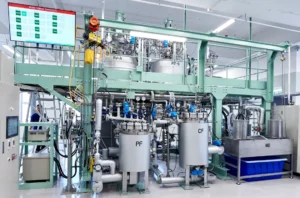
New technologies, like AI sorting, fiber separation, and automated disassembly, are solving key obstacles so textile recycling can work at
TECHNOLOGY
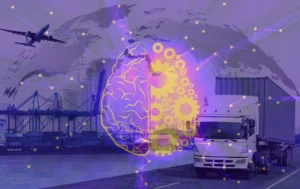
/ AI-driven control towers are turning fragmented supply chain data into real-time decisions.
For years, apparel supply chains have struggled with a basic problem: too much data, but no single view of what is actually happening. Orders sit in spreadsheets, shipments are tracked in separate systems, and suppliers provide updates through emails and calls. The result is constant firefighting.
Digital control towers are designed to fix that. What started as a dashboard to track shipments has evolved into something much more powerful – a system that not only shows what is happening, but helps decide what to do next.
The question isn’t whether or not we need digital control towers. It’s understanding what they can do. What they can’t do. And how to implement them effectively.
To continue reading, please login
Related articles

New technologies, like AI sorting, fiber separation, and automated disassembly, are solving key obstacles so textile recycling can work at


AI, predictive data and connected systems are turning supply chain visibility into faster, more automated decisions

AI and better product data are turning 3D from a visualization tool into a connected product-development system

Insights & Analysis