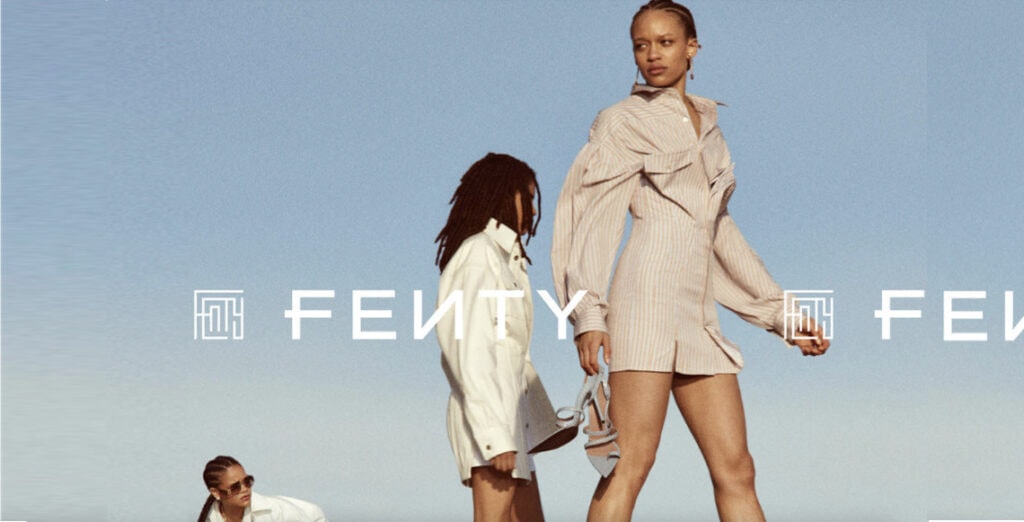
In 2019 luxury powerhouse LVMH partnered with Rihanna in what looked like it would be retail gold. With capital from LVMH’s investment are L Catterton, combined with LVMH’s extensive channels of distribution and retail experience, what could possibly go wrong for the new Fenty fashion line? In addition, Rihanna was known for her fashion savvy, guest designing for several major labels, and had created capsules for others, as well as having for a while her own television show Styled to Rock. <p style="text-align: center;">With a top celebrity, LVMH's massive retail distribution and $33 million in investment capital - what could go wrong?</p> Yet by 2021 LVMH had closed the Fenty fashion business. Once again we see that it takes more than a well known name - even one as well known as Rihanna - to create a successful fashion brand. <h3><b>All The Right Stuff</b></h3> Prior to the LVMH deal, Rihanna had collaborated with Emporio Armani, River Island, Manolo Blanik, Dior (sunglasses) and Chopard (jewelry). Ultimately she landed a deal with Puma where she became head of women’s wear, and rolled out a string of very successful collections. At the height of her fame, in 2019, Rihanna announced the launch of the Fenty fashion brand, backed by LVMH. It was the first new producer of clothing, shoes, perfumes and accessories under the LVMH brand since 1987, when the conglomerate had backed Christian Lacroix. LVMH invested <i>€</i>30 million ($33.4 million) in the venture and created a multicultural team that included talent pulled from other leading brands. <h3><b>What They Got Right</b></h3> <b>Luxury for Curvy Figures.</b> The brand championed sizes for curvy women, who typically were not catered for in luxury brand sizing. It played off of the ethos Rihanna had already established with her Savage X Fenty lingerie line (launched in 2018). <b>Inclusive.</b> Fenty Beauty (launched in 2017) boasted an extensive range of shades to include skin tones that were often overlooked by other brands. Both the lingerie and cosmetics lines were extremely successful. <h3><b>What They Got Wrong </b></h3> <h4><em>6 Critical Mistakes</em></h4> <b>Poor Promotion.</b> Launched the line with a small, exclusive party rather than a traditional catwalk show that would have provided a more extensive (and inclusive) showcase for the new collection. A catwalk show provides far more shareable images for social media, which would have done more to promote the new brand. <b>Too Many Categories.</b> Rather than focusing on one category and getting that right, Fenty not only launched a womens collection, it also had an accessories, jewelry, footwear and menswear line. <b>Weak DNA.</b> Lacked a strong style that was clearly identifiable as Fenty. The collections were attractive, but not special. The brand relied on Rihanna’s celebrity, rather than product, to drive sales. Even the bags were not identifiable as “The Fenty bag”. Rihanna is known for her sunglasses, outwear, heels and bags. Had the brand focused just on those products, they would have played to her strengths and built stronger product identity. <b>Market Mismatch.</b> Fenty was targeting younger consumers in their 20’s, but the pricing was beyond reach of most of their target market. Bestsellers the sunglasses - which were less expensive and more distinctive. Luxury is about ‘exclusivity’ and ‘status’. Fenty was trying to be inclusive and affordable. It ended up being neither exclusive nor inclusive. It was not prices at the true luxury level, but was seen as too expensive for what if offered by its target market. <b>Didn’t Know Their Customer.</b> Rihanna claimed that her collection was aimed at curvy women. Yet the styles were mainly oversized and boxy - a look that works for tall, slim women, but is not flattering for curvy figures. <b>Consumer Consensus.</b> The feedback from consumers on social media was that Rihanna believed the people would pay any price to buy something with her name on it. The complaints weren’t about the price - they were about the value you got for that price. Social media comments pointed to poor quality, designs that lacked uniqueness - and that by and large, Fenty was just another of a long list of uninspiring celebrity brands. People pointed out that the clothing was too basic, and only looked good on Rihanna because of her personal style. No one thought about how the clothing might look on the non-celebrity consumer who was the brand’s customer.