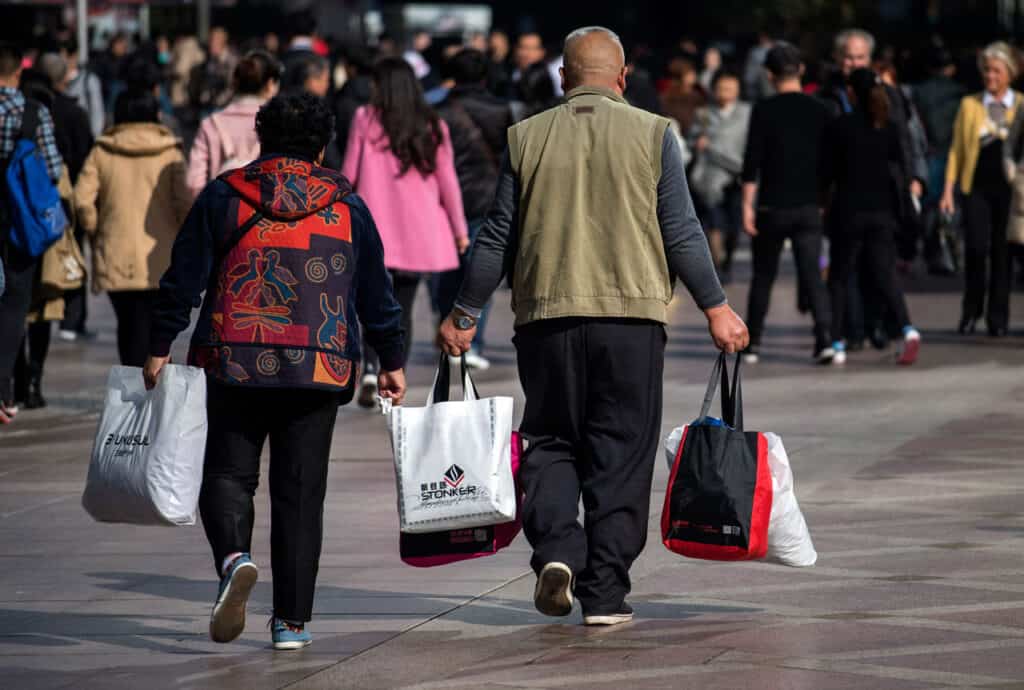
Chinese brands are finding that there are potential riches by moving off of the beaten path. The nation’s third and fourth tier cities have been seeing continued economic growth, and that’s resulted in greater prosperity for their residents. Unlike in top tier cities, consumer wealth has grown faster than retail development, leaving an opportunity for brands to come in and fill the void. "If local brands can make products that are cost-efficient and of high quality, based on a deep understanding of consumers and marketing channels in these smaller cities, they will definitely make great progress," said Chen Ke, a senior partner with global consultancy Roland Berger. A recent report by the AliResearch Institute, part of the Alibaba Group, said that more than 50 million new products from 200,000 local and foreign brands hit the market last year through Alibaba's retail platform Tmall-compared with 12 million in 2017. Some 44 percent of them were purchased by consumers in lower-tier cities, the report said. <h3><strong>Fast Growing</strong></h3> Sales in many sectors in third- and fourth-tier cities have seen quicker growth than in first-and second-tier ones in recent years, including clothing, food, beverages and home appliances. In recent years, with economic restructuring, many labor-intensive industries have moved to lower-tier cities, helping to fuel consumption growth in these areas. “People have moved back from big cities to smaller ones, bringing with them their consumption patterns, including preferences for good quality, service and personalized products," said Mr. Chen. "With lower housing prices in smaller cities, disposable income also rises, which means people have more to spend each day." Further, in recent years, the population in lower-tier cities has grown faster than in major metropolises. The total population of third-tier cities is about six times that of first-tier ones now. “In the future, lower-tier cities with bigger populations will definitely contribute more to consumption upgrading, as the number of consumers, their disposable income and confidence in spending have all been growing," said Mr. Chen. <h3><strong>E-Commerce Brings Products to the People</strong></h3> Another important factor that has helped boost consumption in smaller cities is the rapid development of the e-commerce sector, as online retailing has now reached most lower-tier cities, counties and even small villages. The AliResearch Institute report said online shopping in smaller cities has been growing rapidly. For example, in third-tier ones, 72 percent of internet users made online purchases last year, compared with 58 percent in 2015. In counties and villages, about 45 percent of internet users made online purchases last year. E-commerce has given people in smaller cities access to the latest consumption trends, more-diversified and new products, which also helps fuel consumption in these regions. <h3><strong>Differences in Demand</strong></h3> Demand from smaller cities is very different to that in bigger ones, so if domestic companies can learn about specific requirements, there is huge potential for growth. Consumers in smaller cities are still more conservative shoppers. They look for value-for-dollar more than status. They are more likely to purchase good quality domestic brands that are reasonably priced, rather than pay a higher price for the prestige of a foreign brand, Mr. Chen explained. <h3><strong>More Opportunities for Brands</strong></h3> For foreign brands, lower tier cities also offer opportunities. The key is to under the unique preferences of consumers in these markets. To justify higher price points than domestic brands, the foreign brand must provide something that is very unique – as well as being high quality. Also, bringing an outstanding in-store experience is another opportunity to win consumers in these fast growing markets. <h3><strong>Looking at Lower Tier Cities</strong></h3> <p style="padding-left: 40px;">• 44% of Tmall sales were to consumers in lower cities.</p> <p style="padding-left: 40px;">• 54% of consumers who bought airline tickets and travel services on online platform Fliggy were from lower tier cities.</p> <p style="padding-left: 40px;">• As manufacturing jobs are shifting to lower tier cities, local consumers are enjoying higher purchasing power.</p> <p style="padding-left: 40px;">• The total population of third tier cities is now about six times that of first tier cities.</p> <p style="padding-left: 40px;">• E-commerce is growing in lower tier cities – and giving consumers their access to a wider range of shopping opportunities.</p> <p style="padding-left: 40px;">• A different Attitude: Lower tier city consumers are more conservative shoppers. Value-for-dollar is more important the brand status.</p>