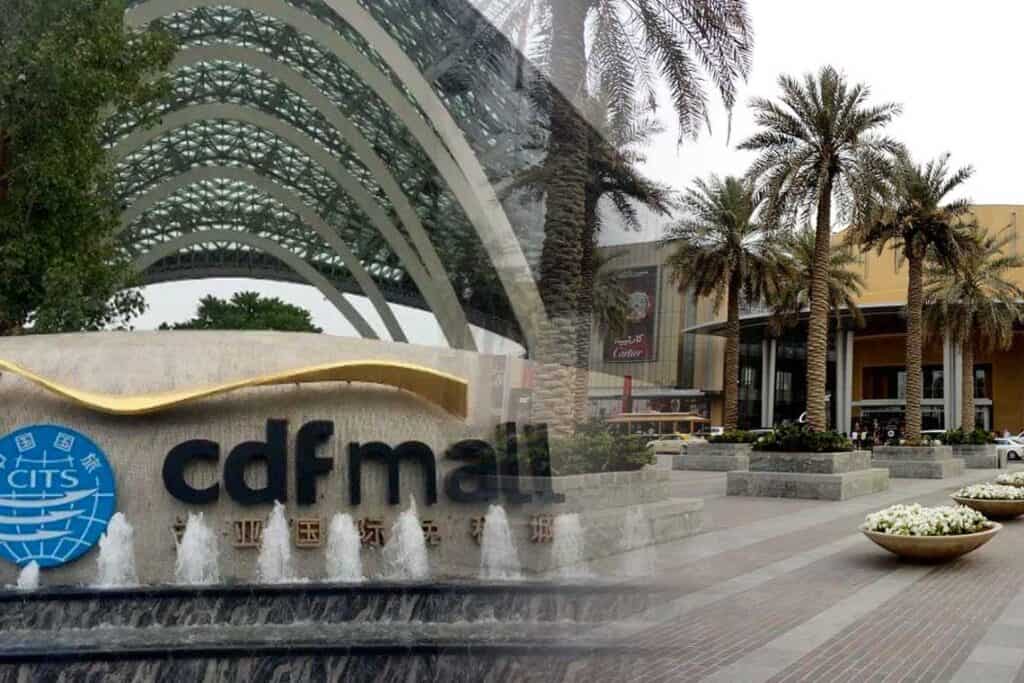
It could be if China continues to support the development of domestic duty-free shopping. The success Hainan has enjoyed since the pandemic curtailed international travel and, in concert with the government granting duty-free licences to more retailers and raising the duty-free allowance for shoppers, has seen sales surge exponentially. While China might be cracking down the mega rich, it is also trying to boost up its middle class. And that massive middle class is packed with aspirational Millennials and GenZ consumers, many of whom are eager to add luxury items to their wardrobes. <blockquote> <h3>Chinese Consumers Drive Worldwide Duty Free Sales</h3> <ul> <li aria-level="1">An additional 400 million Chinese consumers will transition from low-income to middle-class or higher over the next 10-15 years.</li> <li aria-level="1">Hainan’s offshore duty-free sales more than quadrupled to 15.39 billion yuan ($2.3 billion) in the first quarter of this year, making other cities consider adding duty-free shopping to their retail offering.</li> <li aria-level="1">The annual limit on individual duty-free spending was hiked to 100,000 yuan ($15,467) last year from 30,000 yuan previously.</li> <li aria-level="1">Tariffs on imported consumer goods vary in China, with taxes on some luxury items such as perfumes and watches exceeding 30%.</li> <li aria-level="1">There are more than 300 duty-free shops across the country selling products from fragrances and cosmetics to clothing and shoes. China Tourism Group Duty Free Corp is the dominant player, with nearly 200 stores.</li> <li aria-level="1">Chinese consumers spent more than 180 billion yuan (US$28 billion) overseas on duty-free products in 2019, accounting for 40 per cent of total global duty-free sales.</li> <li aria-level="1">By 2025, China's duty-free market is expected to top 150 billion yuan, according to a research note by CITIC Construction Investment Securities.</li> </ul> </blockquote> The brands that appeal to the current generation of young shoppers might be different from what older consumers want, but the demand for luxury - in one iteration or another - remains strong. This might mean new brands for a new generation. Many of those brands could be domestic luxury brands rather than international brands. <h3><b>Not Just Hainan</b></h3> The resort island of Hainan was a logical place to expand duty-free shopping, especially for domestic tourists who couldn’t travel abroad. It’s success has prompted major cities - also key shopping destinations for both domestic and foreign visitors - to want to get in on the act. The country has boosted plans for a ‘duty-free economy’, part of a national plan for dual-circulation, with the ultimate goal to grow domestic consumption as a means to reduce dependency on exports. Five cities - Beijing, Shanghai, Guangzhou, Tianjin and Chongqing - are expected to play a leading role as international consumer centre cities. <h3><b>Why Duty-Free is So Popular - Even After Import Tariff Cuts</b></h3> Although China has cut import tariffs on a wide range of products over the past few years, taxes and nontax barriers still cause large price gaps between many high-end consumer goods sold in China and abroad, encouraging Chinese consumers to shop overseas. Most of them turn to duty-free shops at airports, land border crossings or trips abroad. According to the Ministry of Commerce, Chinese residents spent more than 180 billion yuan on duty-free products overseas in 2018 - about 4.6 times the volume of duty-free sales inside China. China taxes imported garments and beauty products an average of 6.9% and high-end cosmetics 15%, with watches and perfume facing taxes of up to 30%. <h3><b>A Win for Retailers</b></h3> According to the China Commerce Association for General Merchandise, the average gross margin of China's retail industry was 18.1% in 2019, with 11% of retailers booking losses. By contrast, China Duty Free Group maintained gross margins between 45% and 53% over the past three years. Traditional retailers are also calling for policy changes to support their businesses. A Beijing shopping mall executive said nontax barriers such as a time-consuming review process for imported cosmetic products are key factors discouraging sales. There’s also the ‘daigou’ or personal shopper trade that exploded in pre-pandemic years. It was just a matter of time before China saw this grey market trade, where individual shoppers purchased goods at low prices in overseas markets on behalf of Chinese consumers, as being too big to overlook. By creating more domestic duty free retail, Chinese consumers can purchase goods at more competitive prices, while the nation’s domestic economy also benefits from a growing retail sector. Looking ahead, it is logical to expect that over time China could simply reduce the tariffs, taxes and non-tariff barriers for foreign goods to enter the market. With what is poised to be the world’s biggest consumer market, there will be plenty of incentive to find was to continue to drive growth.