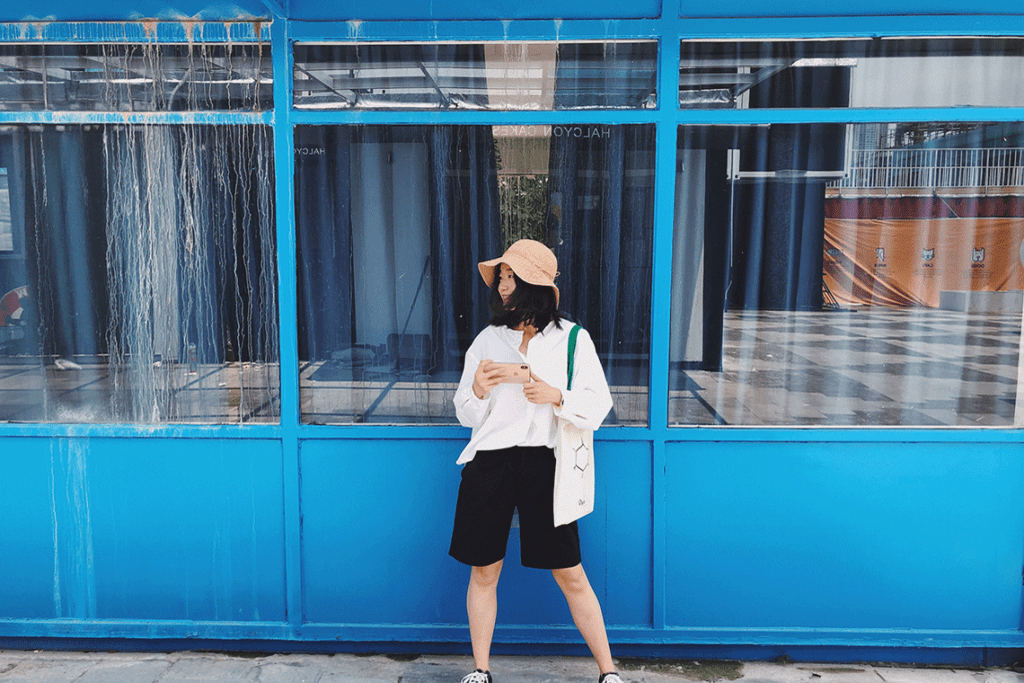
For their parents foreign brands meant prestige and high quality. For China’s younger generation, domestic brands are seen as not only offering quality, but reflecting their own culture. This growing trend is referred to as “guochao”, which means “national hip” or “Chinese retro”. Over half of guochao fans were found to be consumers born after 1995 and 60 percent of them come from third- and higher-tier cities. This demographic has strong national pride and appreciates products with serious heritage and cultural ties. They are more independent thinkers and feel confident to make their own choices, and are less swayed by media messages. "Nowadays, the 'Made in China' label no longer inherently means cheap, inferior and unfashionable," said Zhou Zhendong, professor at the School of Journalism and Communication of Xiamen University speaking to local media. More than 80 percent of ready-to-buy items in Taobao consumers' online shopping carts were domestic products, according to a report from the Alibaba Group. Generation Z consumers, defined globally as the cohort of people born between 1996 and 2010, made up about 15 percent of China's population and contributed to an estimated 40 percent of the country's total consumption last year. <h3><b>Cultural Fascination</b></h3> Young consumers are curious about their culture finding it both familiar and fascinating. Heritage institutes are capitalizing on this. In 2018, the Palace Museum rolled out a new range of beauty products and online buyers snapped up more than 100,000 lipsticks, whose tube bears traditional patterns such as royal embroideries, antique furniture, auspicious clouds and fairy cranes, within just four days of their launch. Sales revenue from innovative cultural products soared to $229.6 million in 2017, from 93.3 million in 2013. Guochao's comprehensive and complicated nature has fueled an expanding range of brand collaboration that taps into China's distinct heritage by leveraging current tastes for guochao productions, cultural creations and consumer nostalgia. For years to come, guochao looks set to be a defining feature of Chinese consumer culture. It will evolve in many different directions and spill over to every category of product imaginable, according to influencer marketing platform Parklu. As China continues to grow and develop, it is logical that it will continue to develop local brands across all segments of the market that are specifically developed to meet the needs and preferences of the domestic market. <h3><b>An Educated Consumer</b></h3> At the same time, the nation's consumers are not only becoming more confident shoppers, they are also educated shoppers who understand quality - and want products that meet high standards. National brands will have to meet quality expectations, as well as offer the cultural touch points, in order to win the attention of consumers who are almost limitless choices. In a hyper competitive market like China, the battle for consumer spending is tough regardless of who you are. However those who understand the hearts and minds of these young consumers will have a clear edge over brands that are hoping to leverage international prestige.