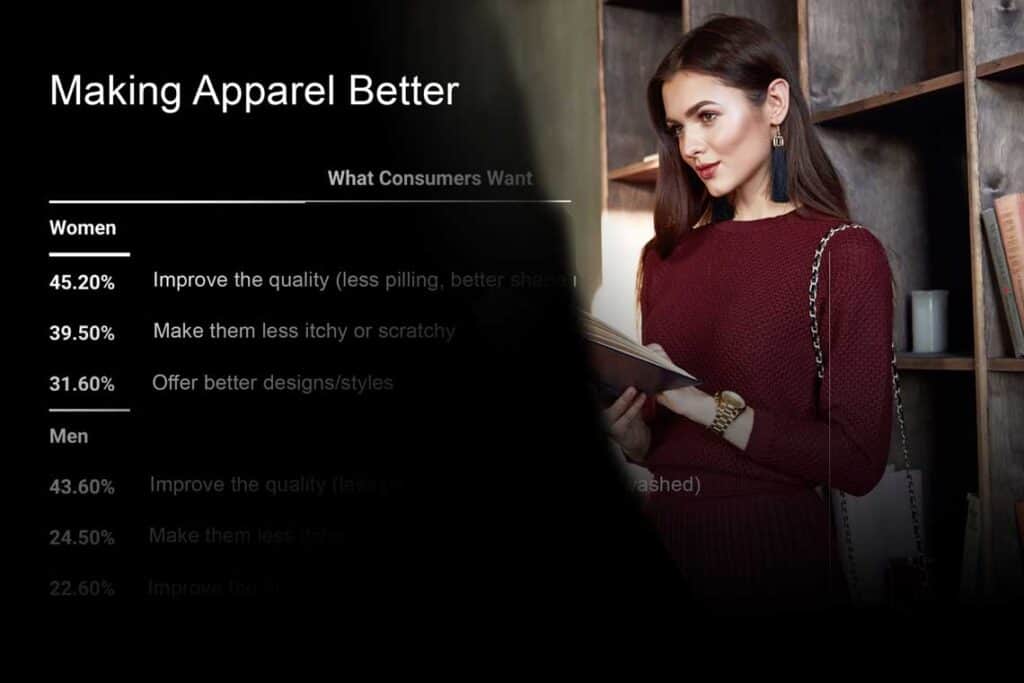
“Better” makes a comeback in a market that has long been polarized between fast fashion and luxury.In the days when shopping was a weekend sport, brands realized that to win consumers they needed to offer the right look at the right price. That price needed to get increasingly lower since consumers’ salaries were not rising as fast as their demand for apparel, footwear, home furnishings, sporting goods and other products.But like everything else, demand eventually hits a wall. Suddenly, bestsellers are no longer selling. For apparel, it’s been the slow shift away from shopping for the sake of shopping. The ‘fewer but better’ movement began around 2013 and gained momentum over the years. By buying fewer items, consumers found they could afford better products. Thus began the migration from price-first shopping to what is a growing consciousness of quality-first shopping.There were more rumblings and grumblings about clothing that didn’t fit well, that wasn’t durable and where the fabric had a cheap look and feel.Smart brands start to listen - and respond. The movement toward upgrading is happening slowly, but very deliberately.It started with indie brands, many of which were digital natives, creating collections that filled hole in the market. Typically, making the kind of shirts they wanted but couldn’t find from existing brands. Or knitwear that offered the kind of quality they were looking for. However, now it’s fast fashion that is taking a lead role in driving quality back into fashion.Moving UpmarketFast fashion brands, who sensed that consumers veering away from poor quality, even if the price was cheap, began offering premium collections and limited editions.One of the most recent entries is Shein, the Chinese mega online retailer known for its trendy, disposable fashion where spring dresses range from $14-$23. Despite capturing a vast international market share, last year Shein launched its premium collection with prices ranging from $29.99-$74.99.While the brand’s bread and butter is producing popular trend-driven looks publicized on social media, however, the move to producing premium pieces is a clear indication of where the fashion industry is going. H&M (Sweden) Premium has been infiltrating the brand’s stores and websites - and consumer response has been a strong ‘thumbs up’. People notice the quality difference between the premium line and the regular line - and they feel that it is worth paying extra for this. At Zara (Spain) Premium the story is the same. Consumers are commenting on social media and recommending others to “stick to the 100% cotton styles” for better quality. And “choose 100% cotton to be sure that the shape won’t change”.Primark (UK), which has often been vilified as the epitome of cheap and nasty fashion, rolled out what it calls its Limited Edition range in late 2019 - and it’s gotten rave reviews from consumers - for both being on trend and for quality, all while offering incredibly low prices. (A man’s ‘premium cotton sweater’ retails for £14 ($19.2), while those in Primark’s standard line are priced at around £6-8 ($8.2-$11).Mango (Spain) was one of the first to notice shifting consumers preferences. It launched its Premium collection in 2013.Investment DressingMid-tier brands are also upgrading. Karen Millen (UK), which became part of the Boohoo Group in 2019, has launched a new premium collection, Black Label, last December. It features what brand refers to as ‘investment pieces’ - garments that are made from better quality materials and have more unique details. Prices range from £60-£700 ($82-$964).H&M refers to its premium collection as “timeless pieces The first mid-tier retail to offer higher end collections was Marks & Spencer with their Autograph range, which they launched in 2007. The collection consistently gets good reviews and recommendations on social media. Even Discounters are Trading UpThe trend extends to other fashion-related retailers as well.Tween discount retailer Five Below is planning to expand its "Five Beyond" in-store concept to 30 percent of its fleet by the end of 2021, CEO Joel Anderson said on the company's earnings call. The concept, which evolved from the chain's "Ten Below" pilot, is a store section that features merchandise priced above the retailer's signature $5 price threshold. "The customer has responded positively to our new Five Beyond assortment, which is filled with fresh, amazing value items and new categories to our customers," Mr. Anderson said.Materials Make a DifferenceWhile most brands argue that “consumers don’t know the difference. They don’t care about the fabric, they just want something trendy and cheap,” in fact consumers know and care about materials. In a 2019 Inside Fashion Consumer Lab survey, the top ‘complaint’ consumers had across all apparel categories - and including both men and women - was poor quality fabric. From sweaters that pill and lose their shape, to jeans where the denim no longer looked and felt like real denim, to intimate apparel that lost its elasticity, the move away from spending on apparel to purchasing electronics, home wares, and even high-end food products (there was a time when people chose budget food products to have more budget for fashion. No longer). Whereas as other categories have focused on understanding what consumers want - and delivering on it, apparel has held onto the “volume at a price” model. While most brands are trying to check the box on sustainability, they will need to add “quality” to the equation if they want to win market share.The big difference between these premium collections and the brands’ standard ranges are primarily in the materials used. On H&M’s website for its premium collection it states: “Enjoy high selection fabrics such as cashmere, linen, silk and leather: all at great prices.”The use of premium materials is called out in product descriptions such as “Pure Cashmere Cropped Cardigan” from Marks & Spencers’ Autograph collection (£98/$135) or “Pima cotton top” from H&M’s premium collection ($32). Or “Premium Lambswool Jumper” at Uniqlo (€29.90/$35.70).Garments will be 100% cotton, rather than blends. Wool sweaters will trade up to cashmere/wool blends. Synthetics will be of higher quality with more upmarket prints. In some cases, brands are also upgrading accessories and trims.Other brands are upgrading their standard collections with higher quality materials. Uniqlo premium 100% linen shirts (€34.90/$41.50) were in such high demand that they are now on backorder. The brand also offers 100% Supima cotton mens crew neck t-shirt, which sells for €12.90 ($15.35) on Uniqlo’s website, with most sizes out of stock due to strong demand. The brand also offers cashmere knits at affordable prices.Marks & Spencer (UK) has continued to level its collections, bringing in an expanded range of cashmere knits for the past winter season. What consumers have learned is that they can spend a bit more and get a lot more quality. Leading brands are taking notice and meeting this new demand. It might be that fast fashion becomes the industry’s new quality leaders.